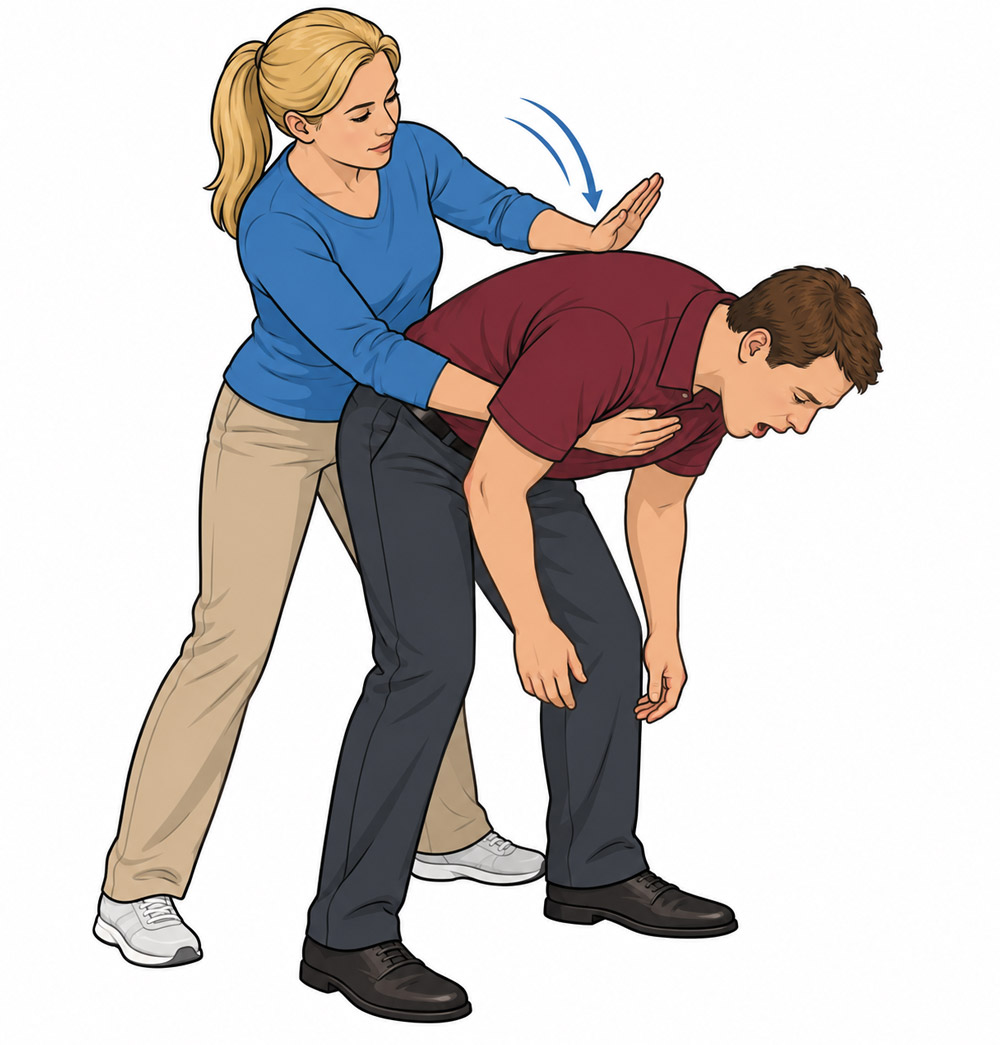
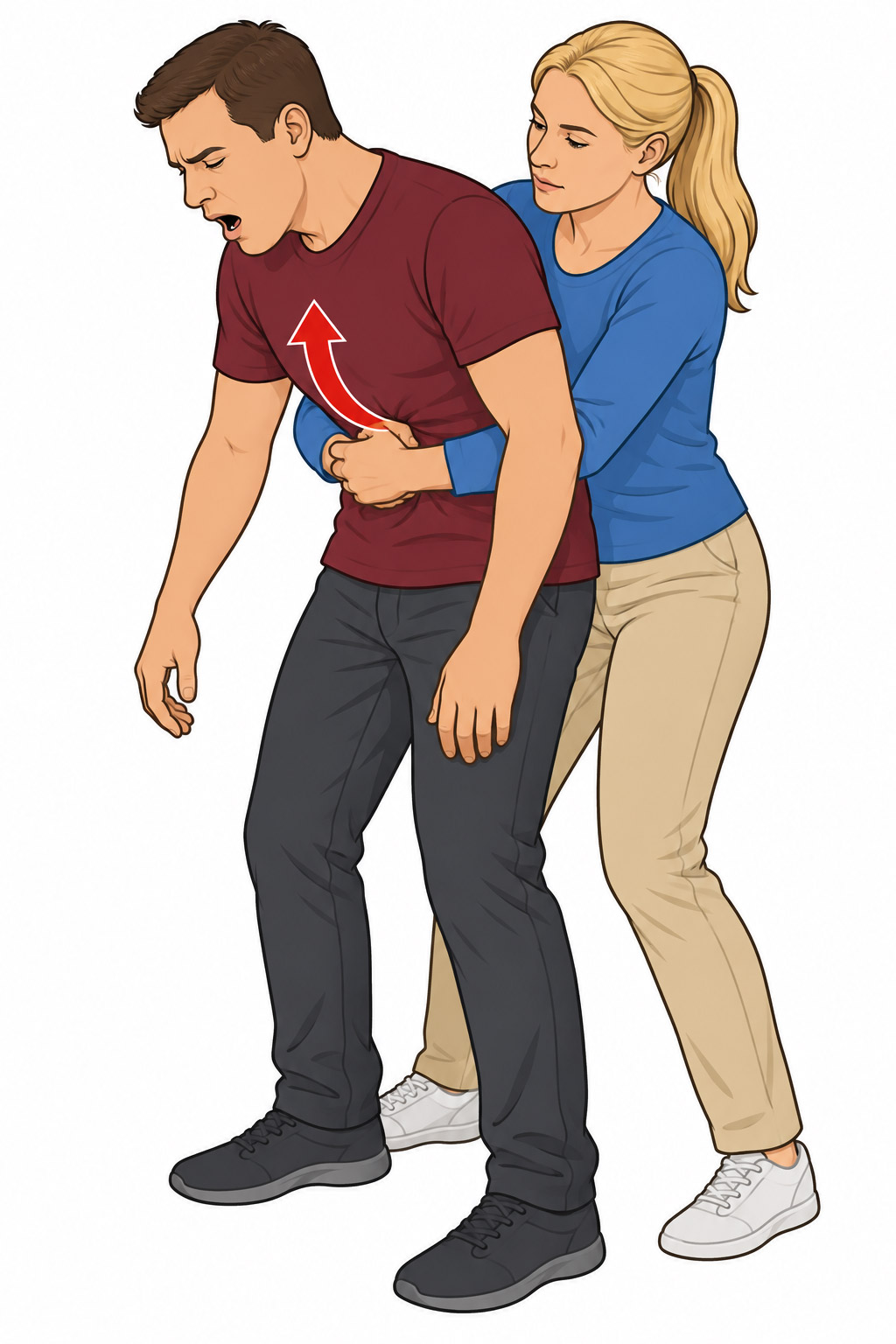
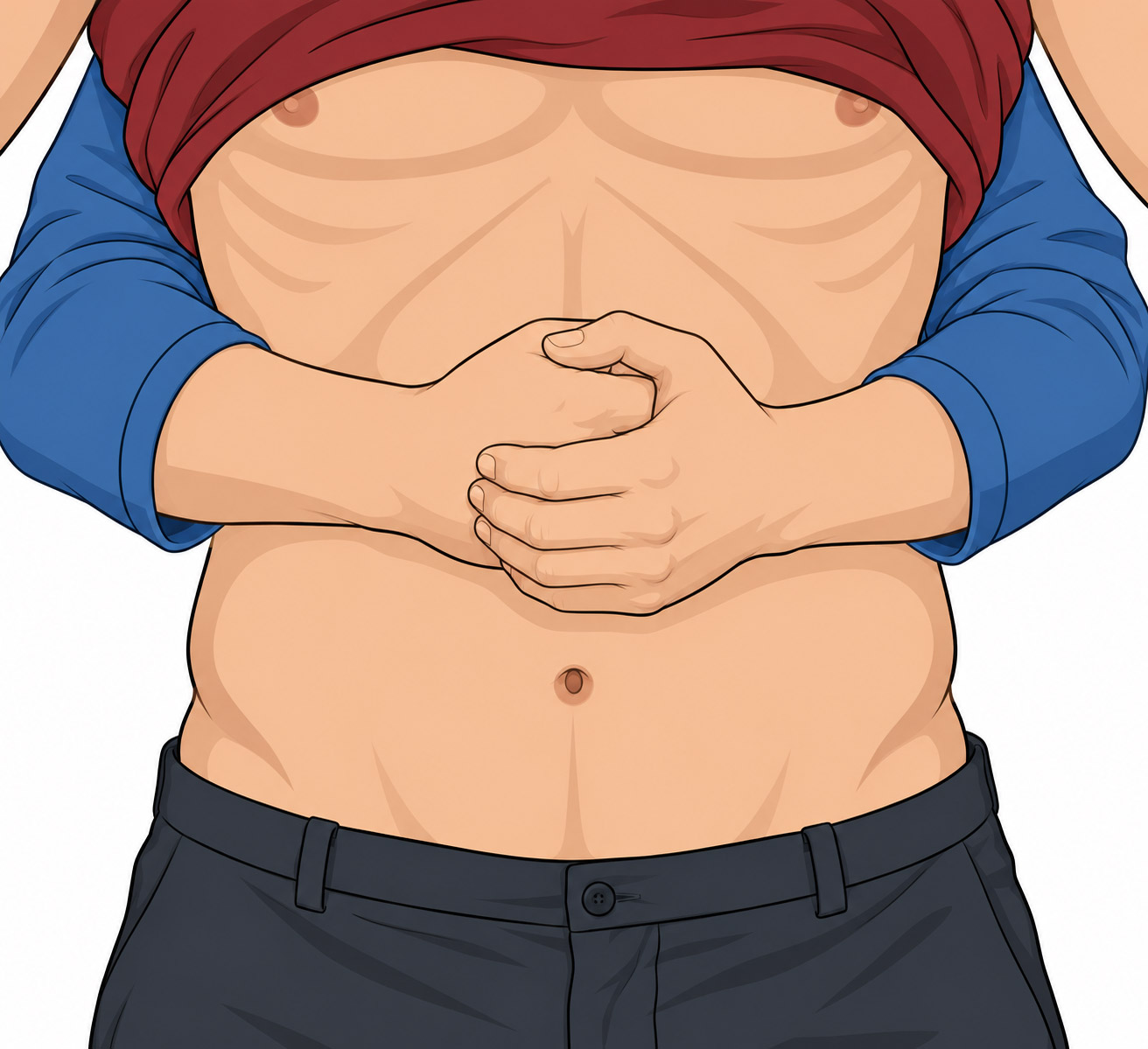
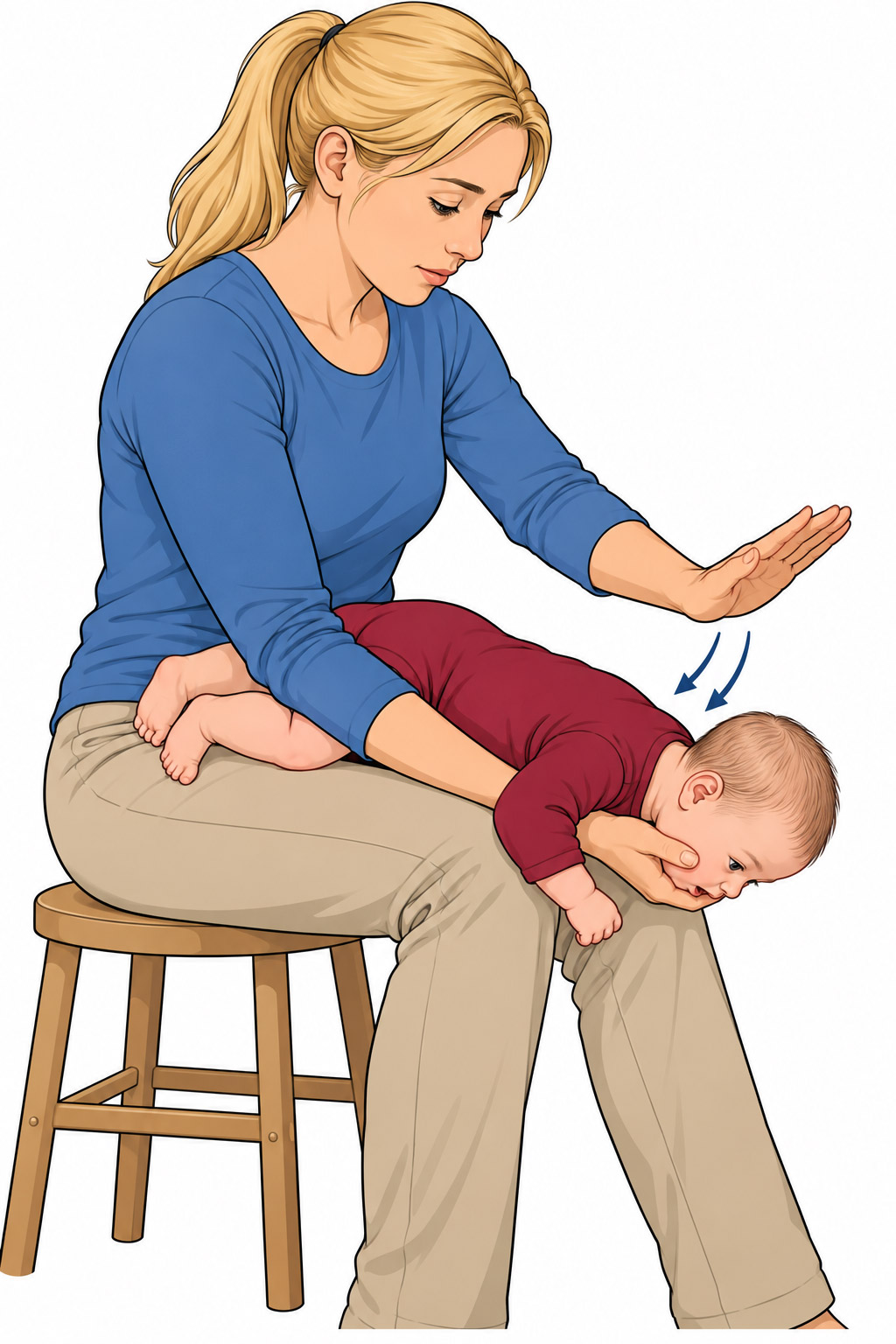
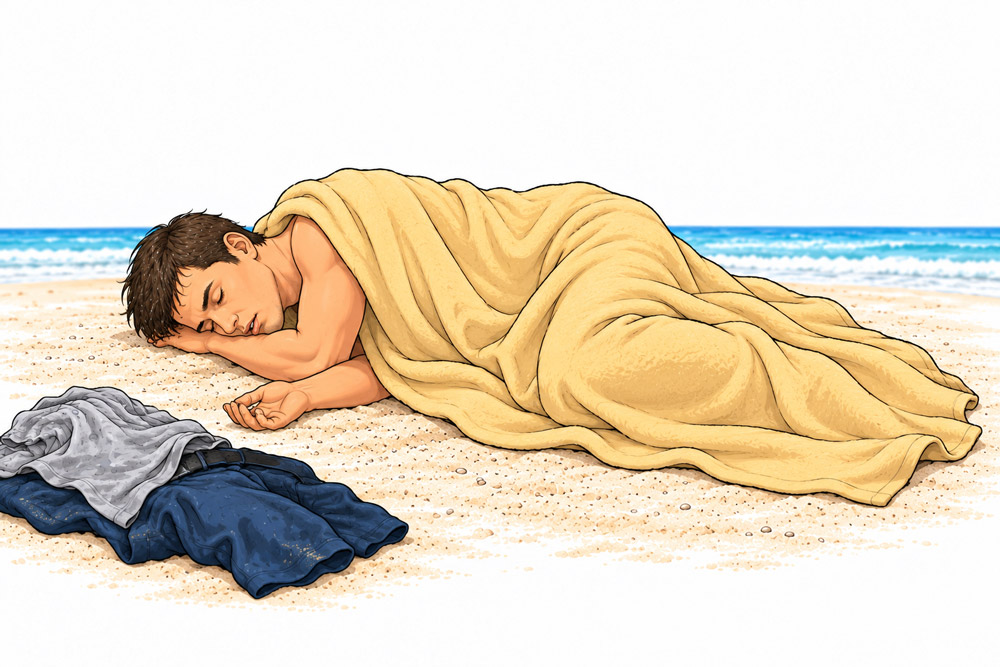
First aid
Safety
First aid content is aligned with the European Resuscitation Council guidelines (ERC 2025). These instructions do not replace a first aid course. Always follow the instructions of the 112 dispatcher.
Cardiac arrest – adult
Cardiac arrest is the sudden stopping of the heart. Without immediate help, death occurs within minutes.
If the person is not breathing normally, act as if it is cardiac arrest.
How to recognise cardiac arrest?
the person suddenly collapses
is unconscious
is not breathing or breathing abnormally (gasping, agonal breaths)
no signs of life
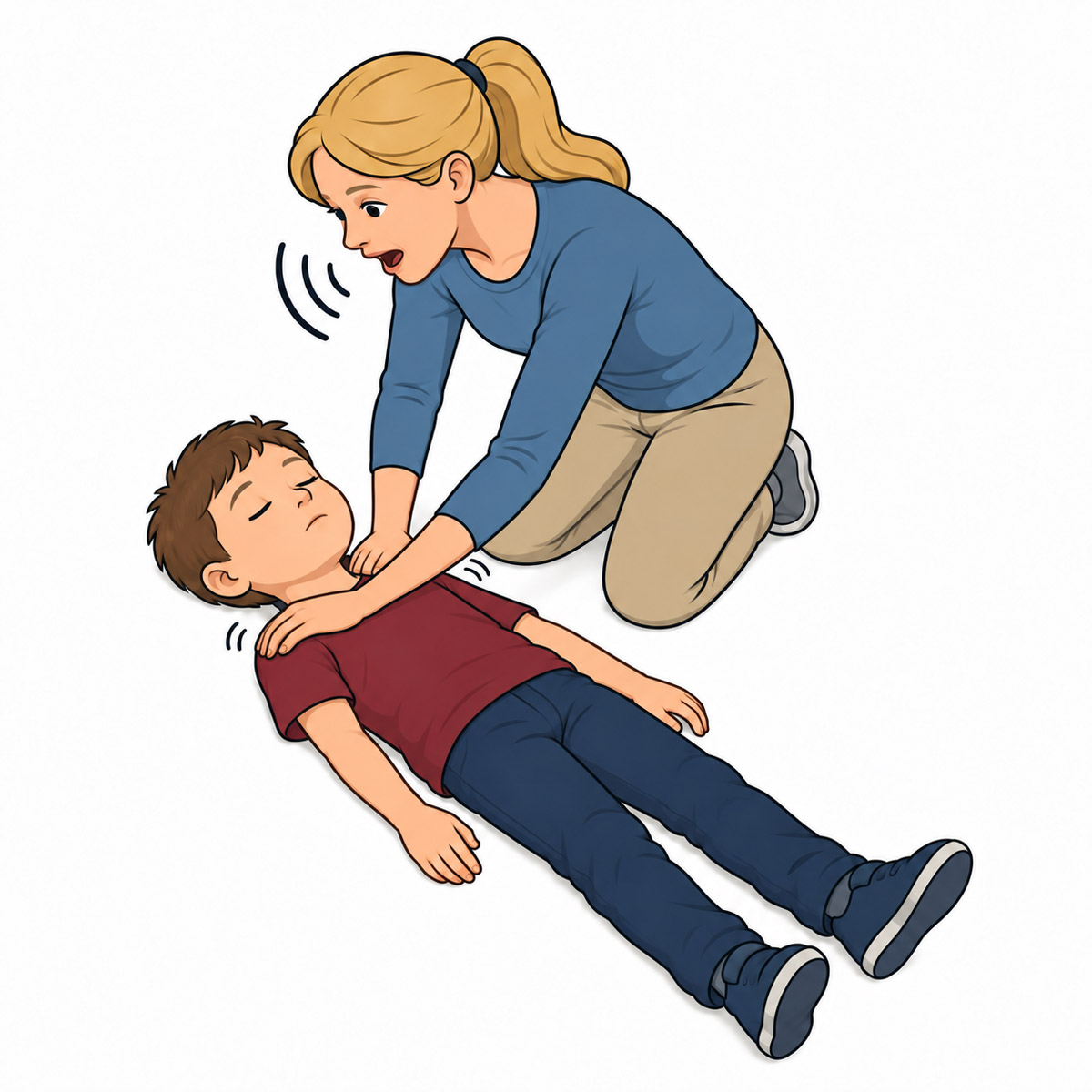
1 Check safety and responsiveness
Checking responsiveness
make sure you are safe
gently shake the person by the shoulders
ask loudly: “Are you all right?”
no response → call 112 immediately
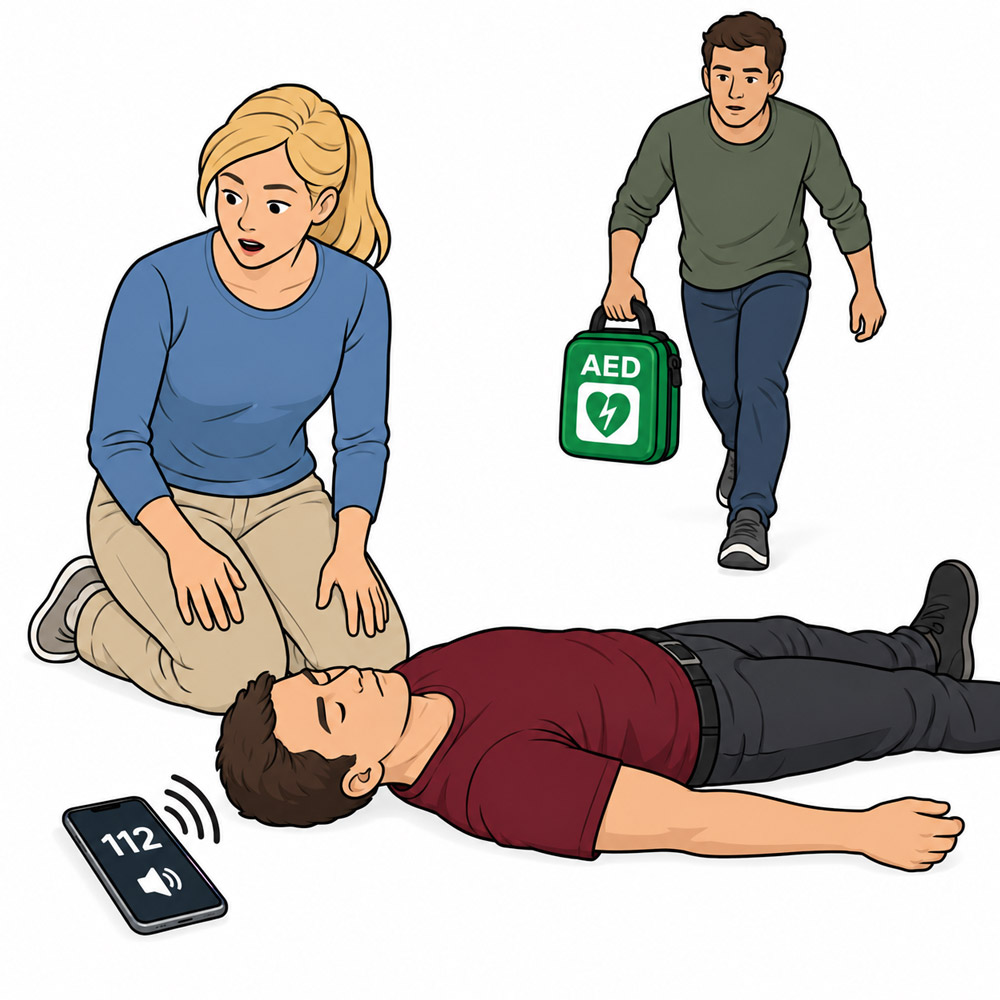
2 Call 112
Calling 112 and the AED
call as soon as the person does not respond – check breathing together with the dispatcher
say what happened and where you are
switch on the speaker and follow the dispatcher’s instructions
several people: one calls, another fetches an AED
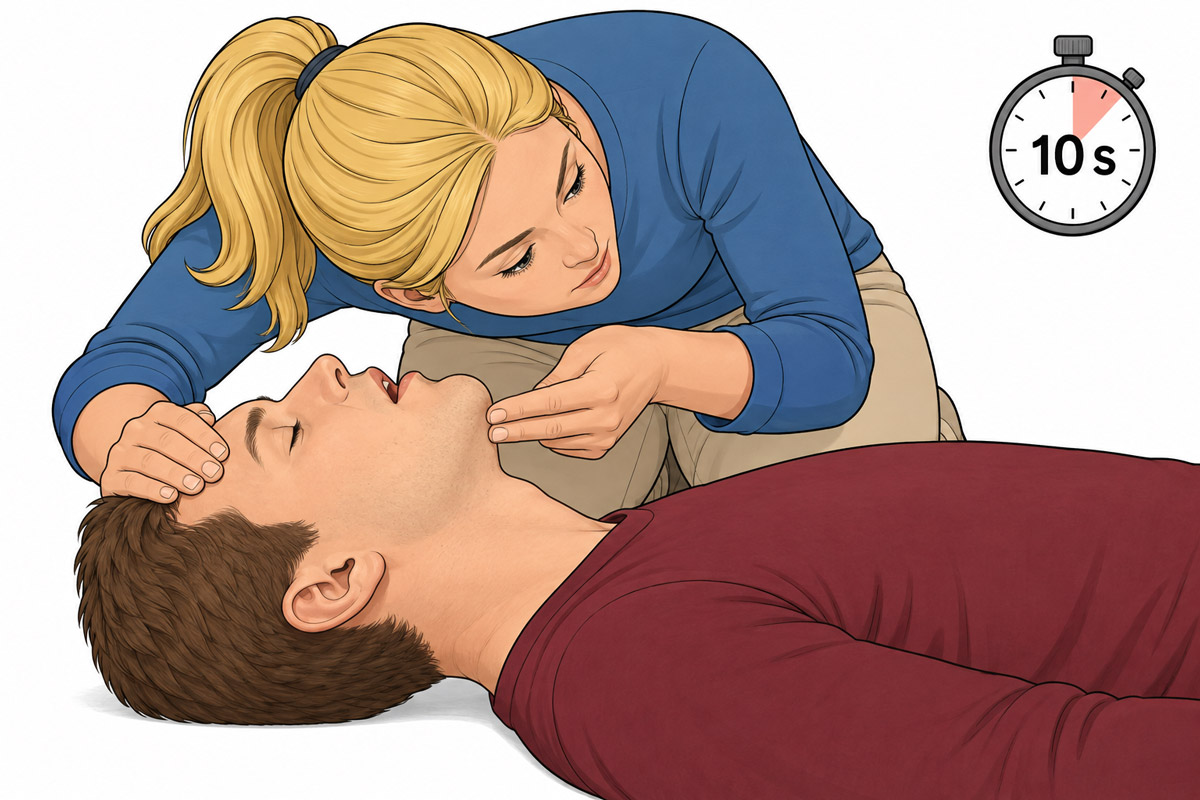
3 Check breathing – no more than 10 seconds
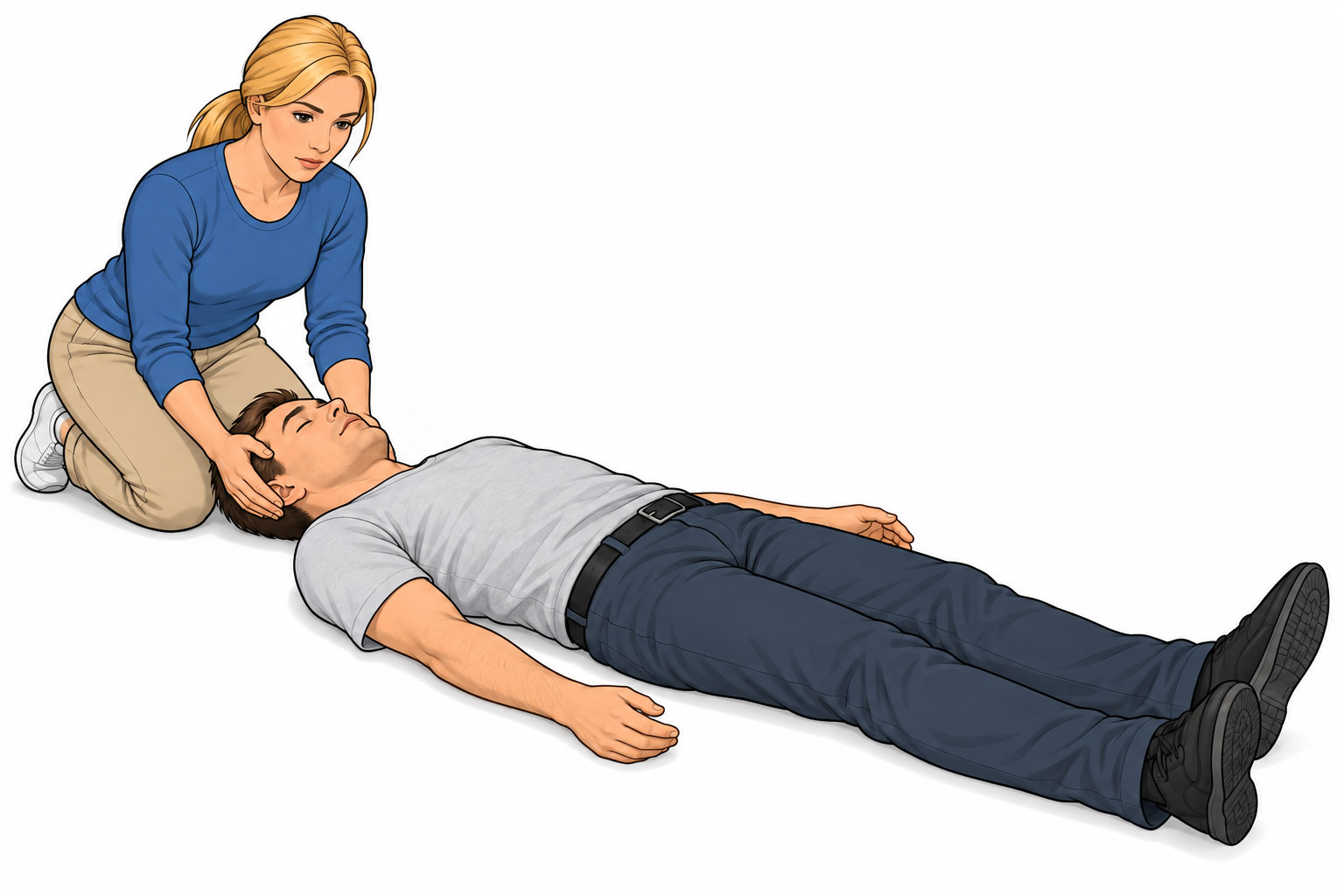
Opening the airway and checking breathing
tilt the head back, lift the chin
look, listen and feel for breathing
not breathing or breathing abnormally → START CPR IMMEDIATELY
4 Chest compressions
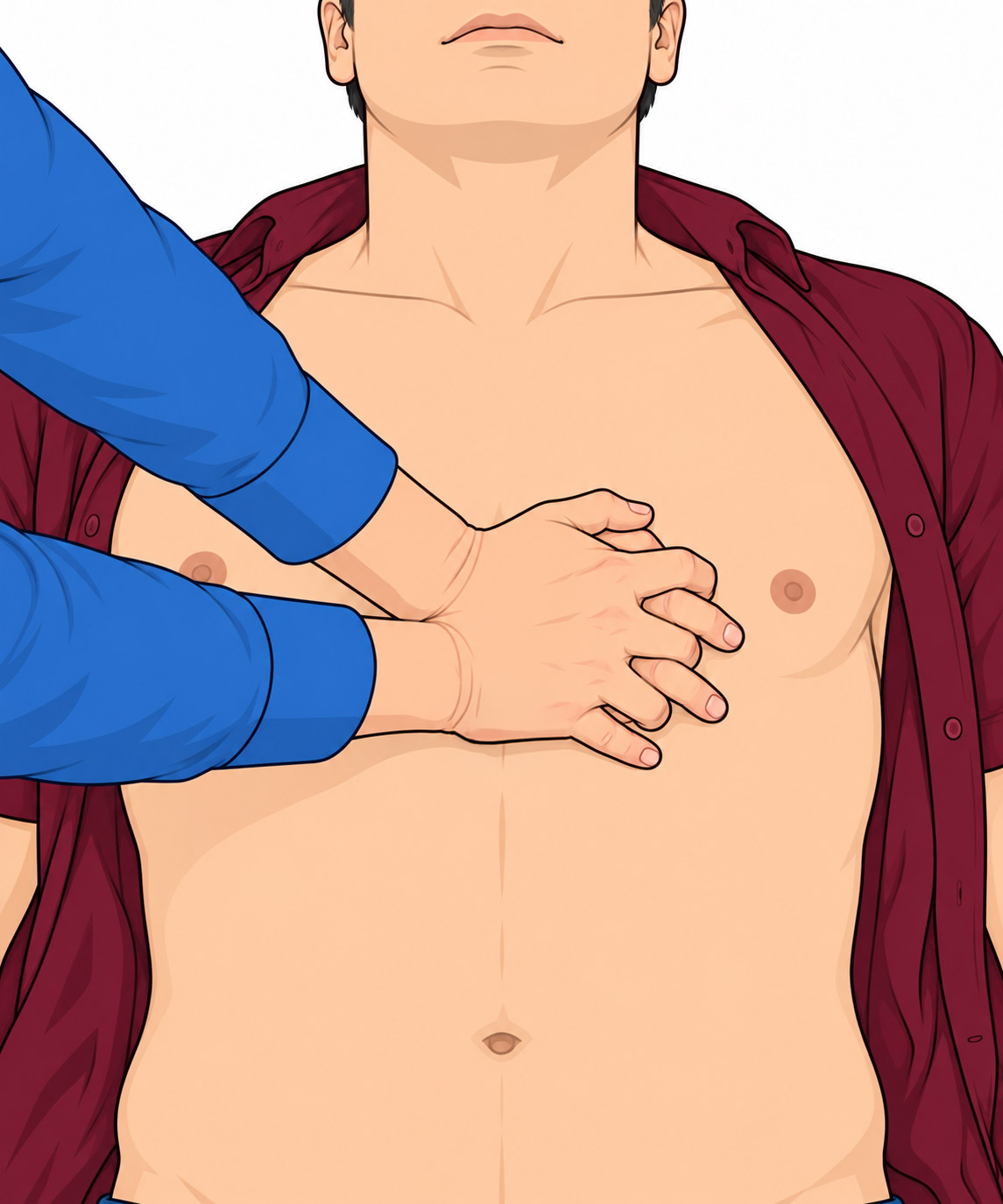
Hand position
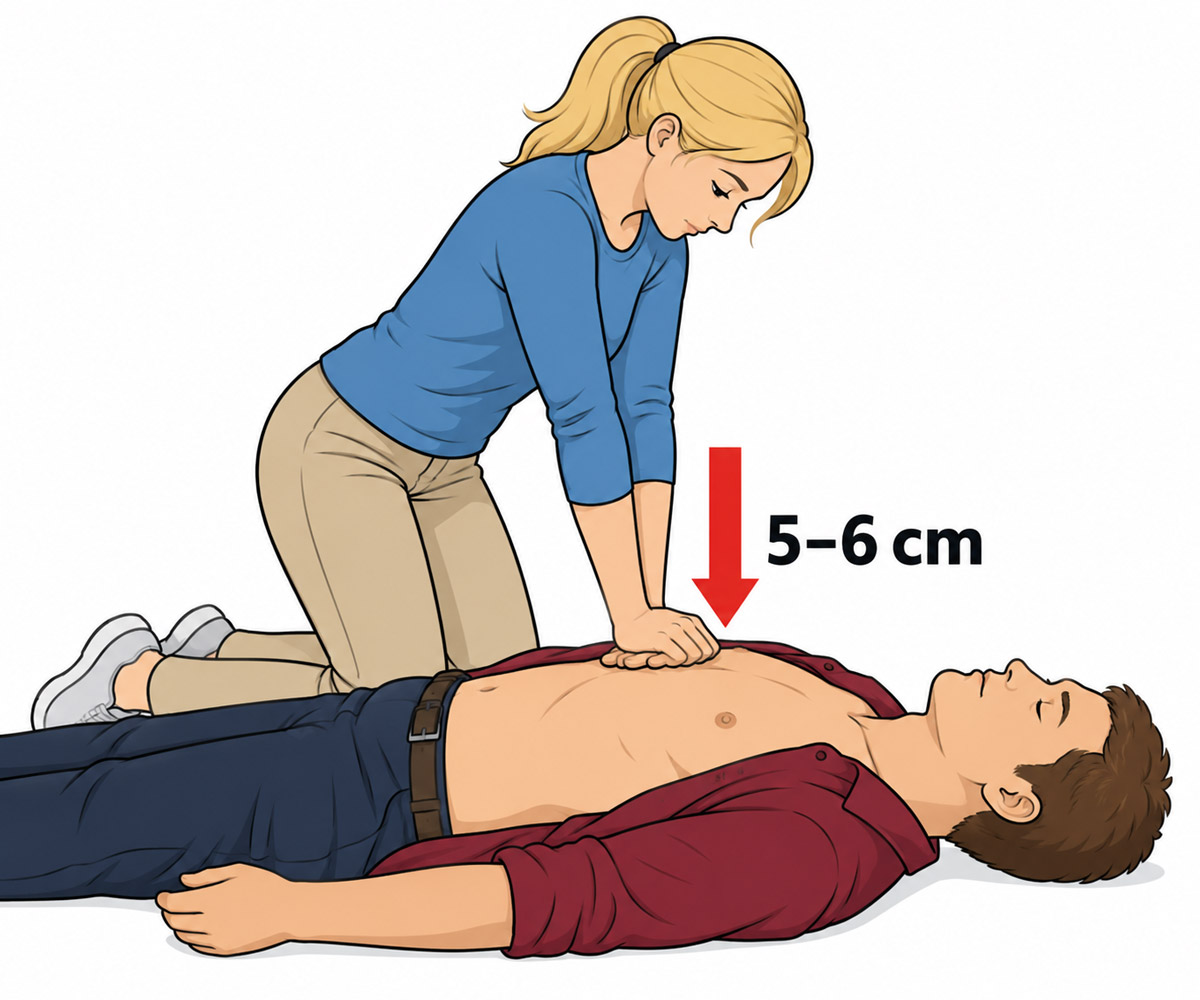
Chest compressions
the person lies on a firm surface
hands in the centre of the chest
arms straight, shoulders above the chest
rate 100–120 per minute, depth 5–6 cm let the chest rise fully after each compression
▶ START COMPRESSION RHYTHM
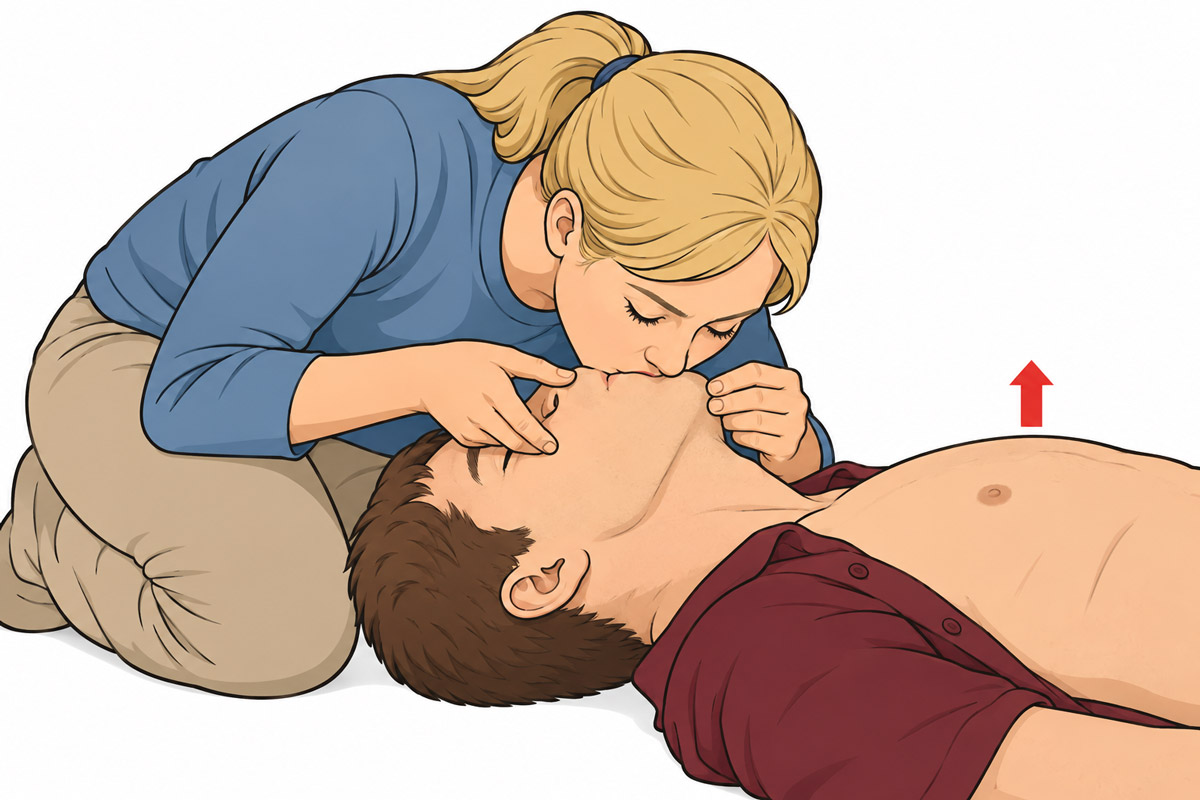
5 Rescue breaths – if you know how and are willing
Rescue breaths
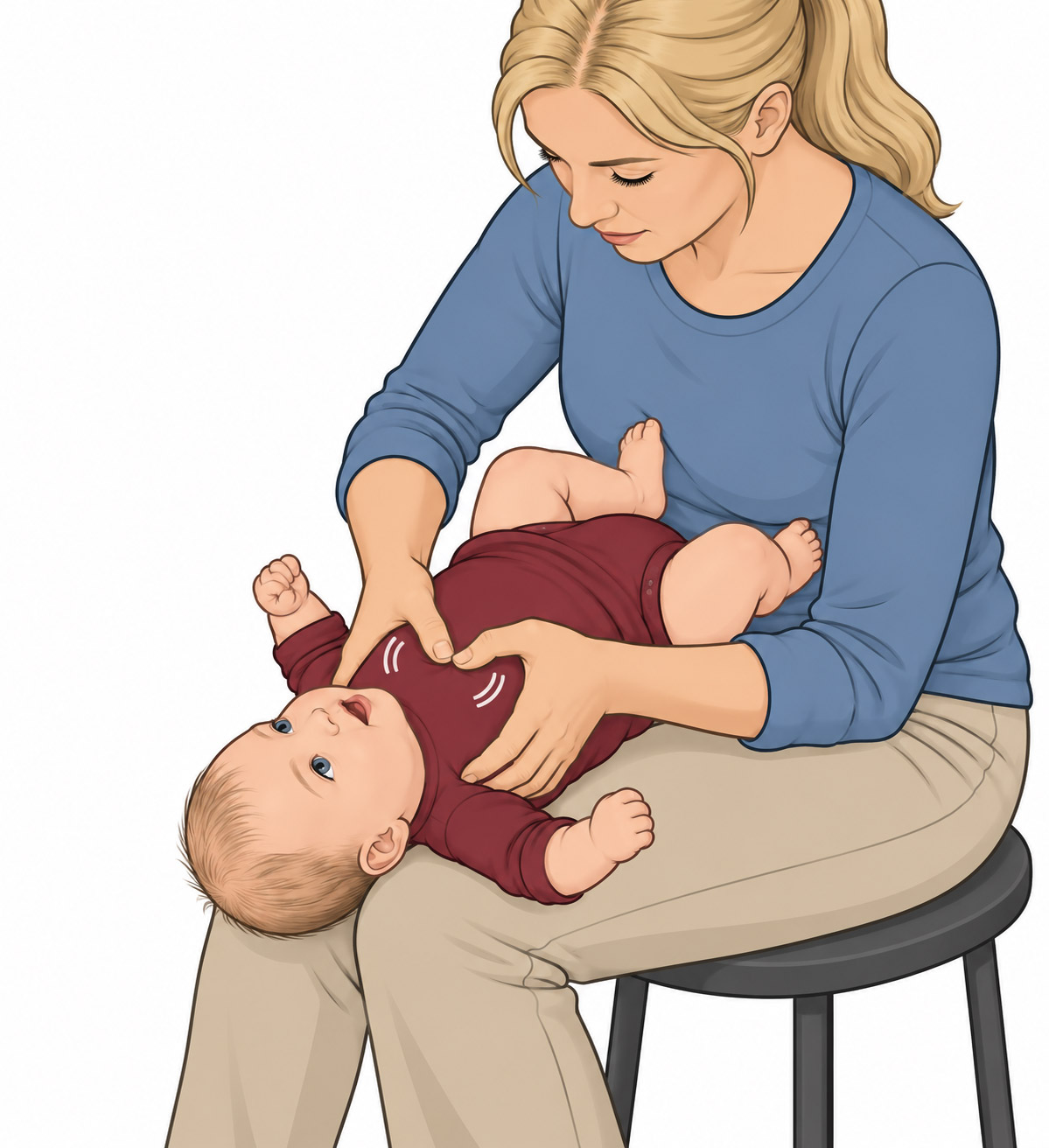
30 compressions : 2 breaths pinch the nose, seal your mouth well over theirs
blow for 1 second – the chest should rise
Can’t or don’t want to give rescue breaths? Give compressions only , without interruption.
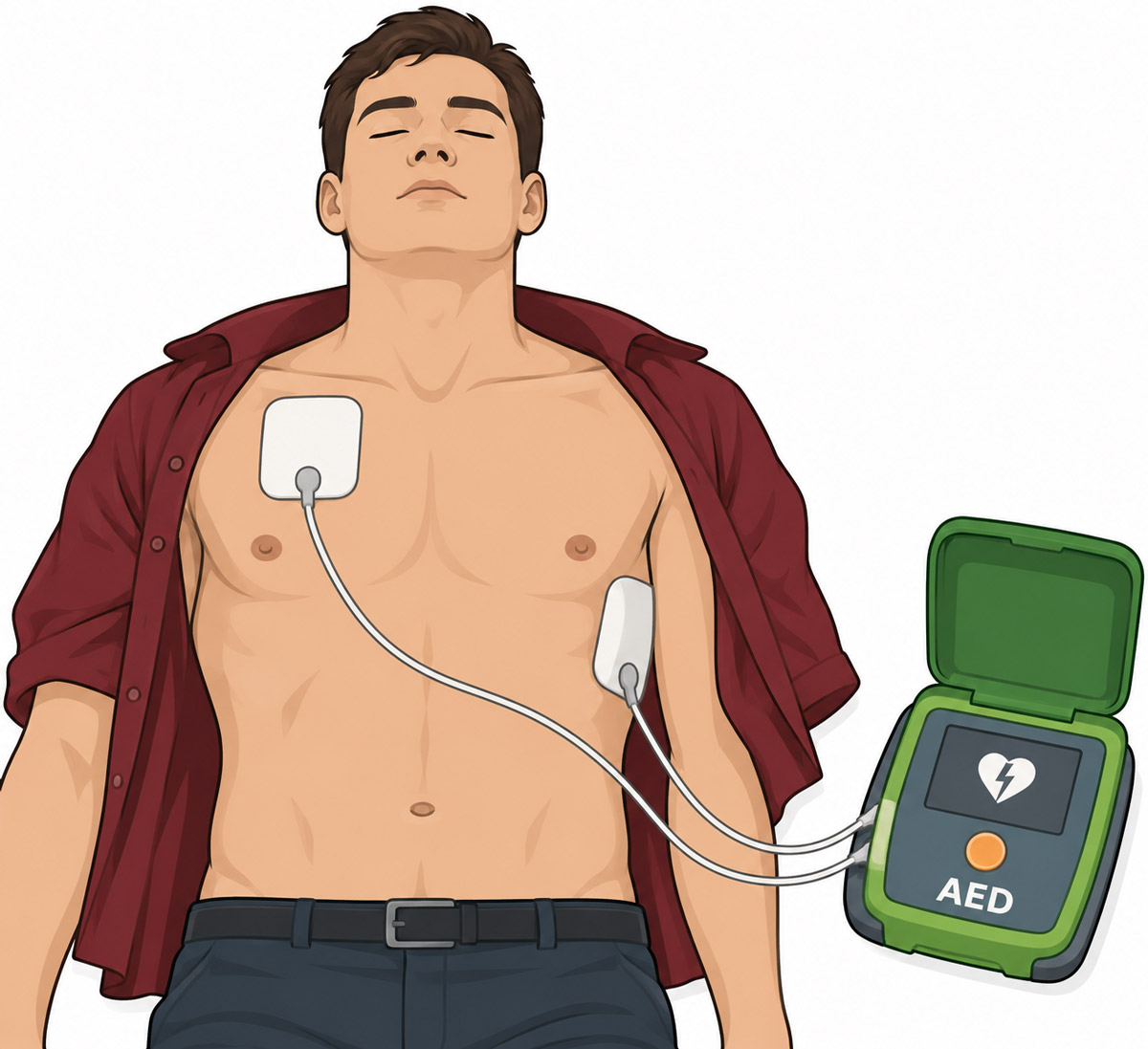
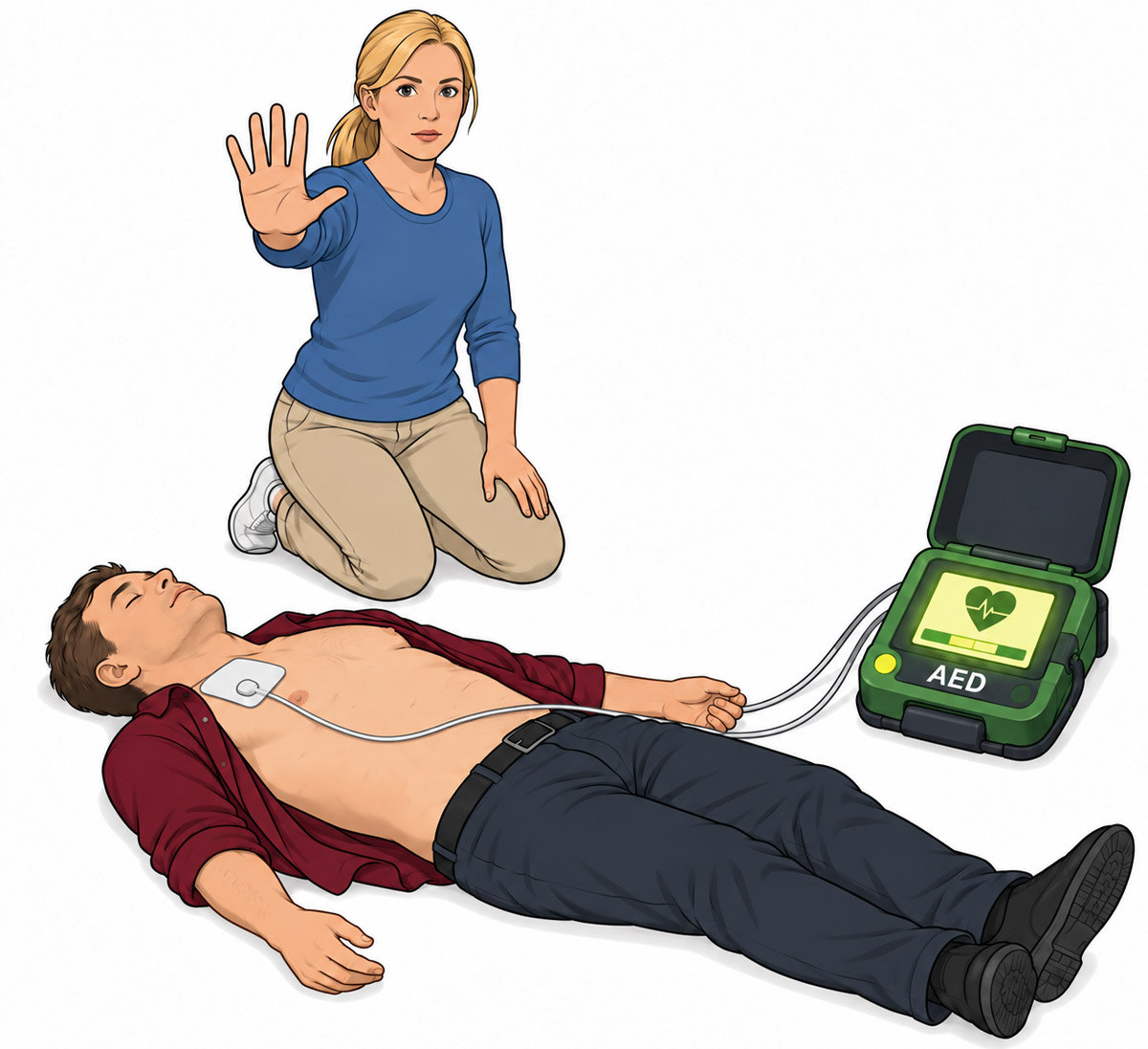
6 Use an AED
Placing the pads
Do not touch during analysis and shock
switch on the device and follow the voice prompts
pads: one below the right collarbone, the other on the lower left side below the chest
DO NOT TOUCH the person during analysis and shockresume CPR immediately after the shock
7 Continue until …
the ambulance crew arrives
the person starts to move and breathe normally
you are completely exhausted or someone takes over
Important
every minute without CPR reduces the chance of survival by about 10%
it is better to act than not to act
← All topics
Cardiac arrest – child
From 1 year to the start of puberty. Most often caused by suffocation, drowning, injury or illness.
If the child is not breathing normally, act as if it is cardiac arrest.
How to recognise it?
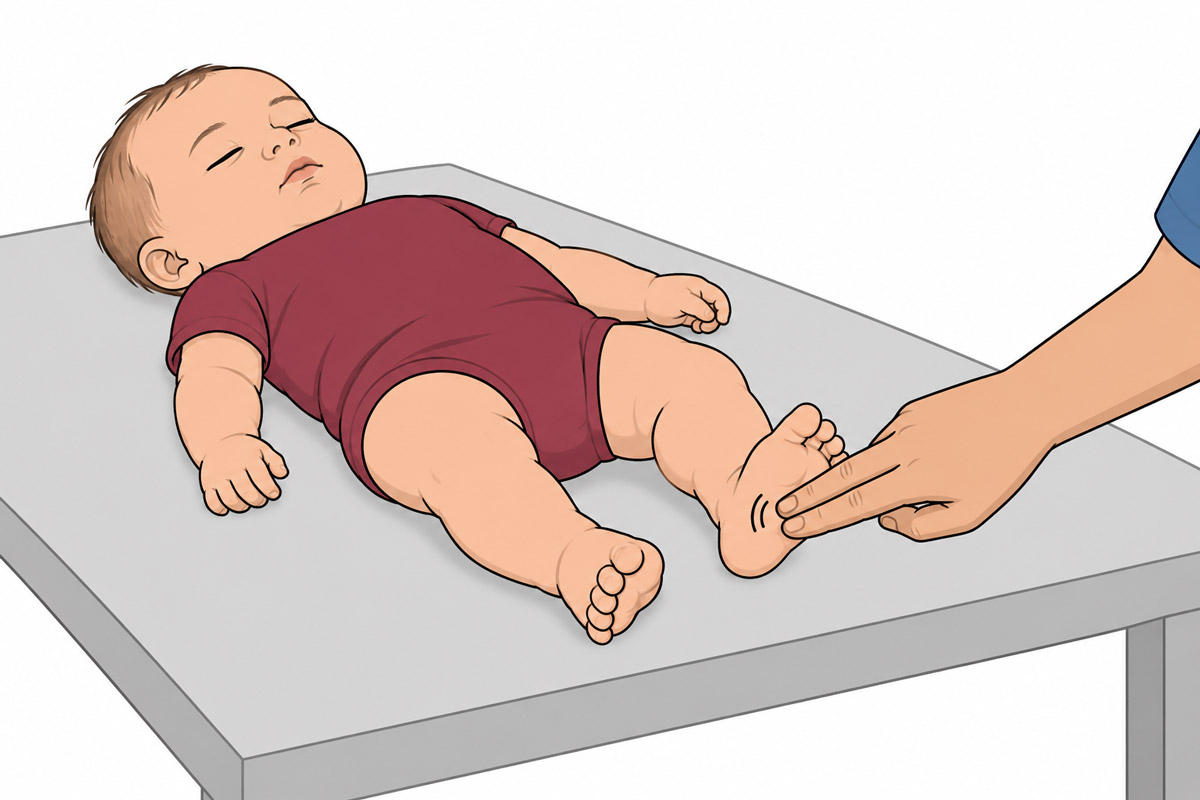
the child is unresponsive
not breathing or breathing abnormally
has no signs of life
may be pale or bluish
1 Check safety and responsiveness
Checking the child’s responsiveness
make sure you are safe
gently tap the child on the shoulders
ask loudly: “Are you OK?”
2 Call 112 immediately
call 112 immediately and switch on the speaker – even if you are aloneseveral people: one calls, another starts CPRsay that it is a child who is not responding
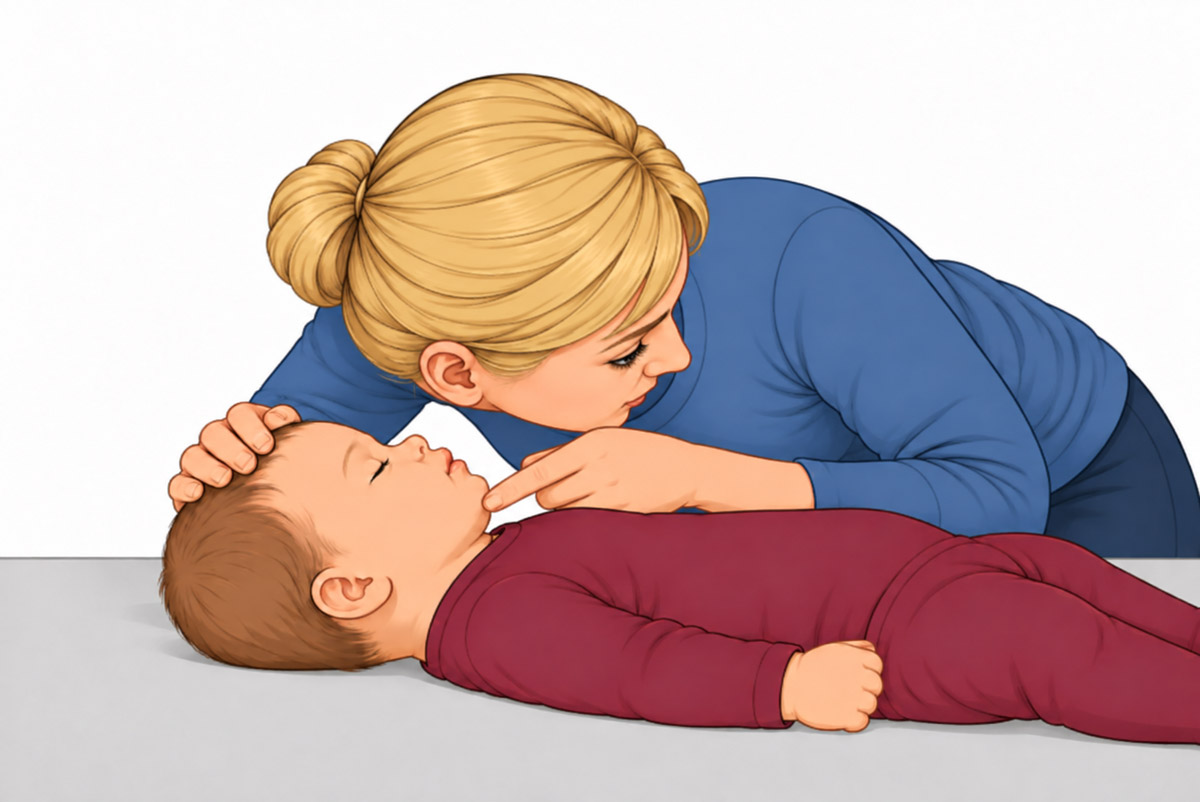
3 Check breathing – no more than 10 seconds
tilt the head back slightly, lift the chin
look, listen and feel for breathing
not breathing or breathing abnormally → START CPR IMMEDIATELY
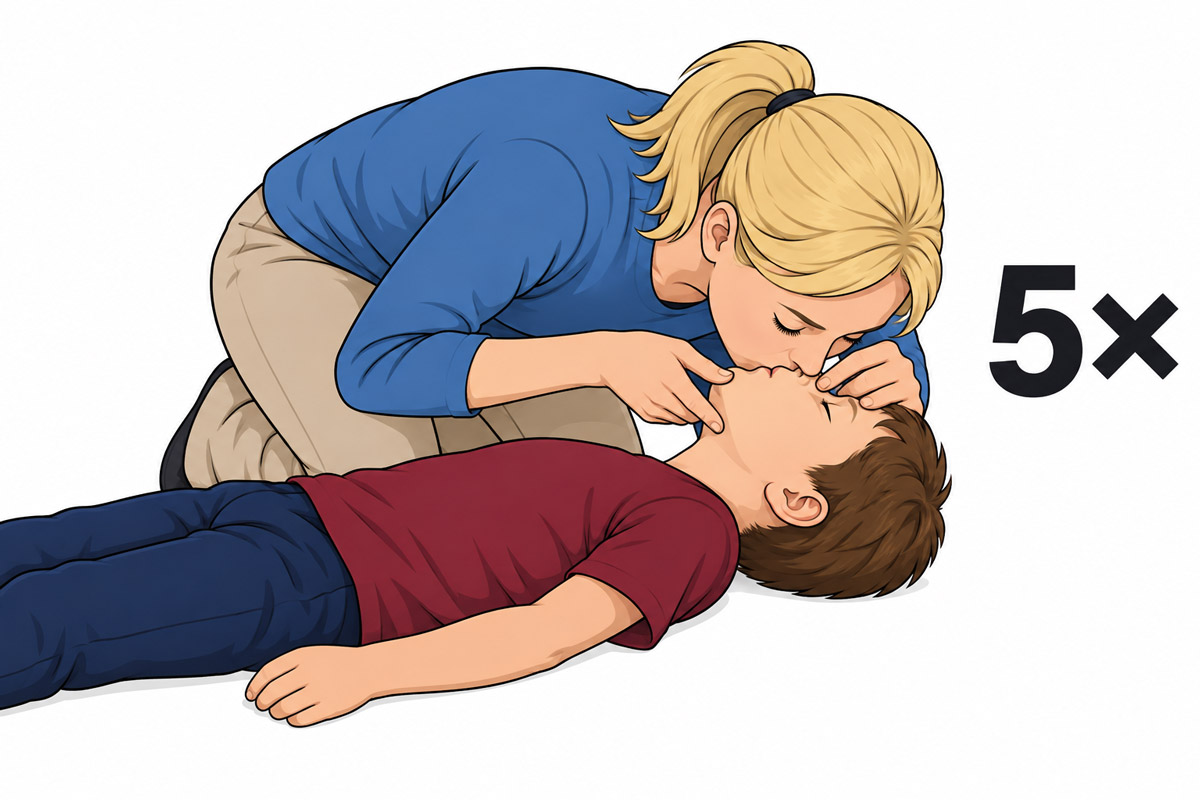
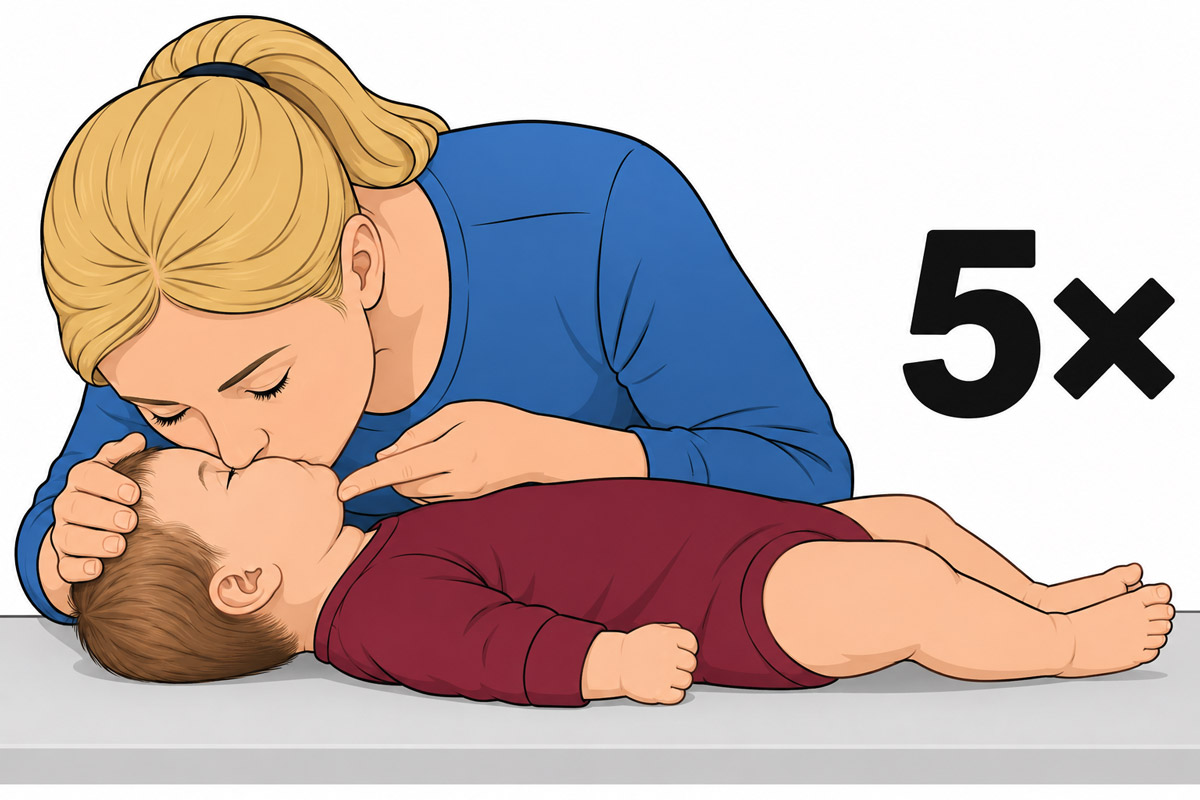
4 5 initial rescue breaths
5 initial rescue breaths
pinch the nose, seal your mouth over the child’s mouth
blow for about 1 second
the chest should visibly rise
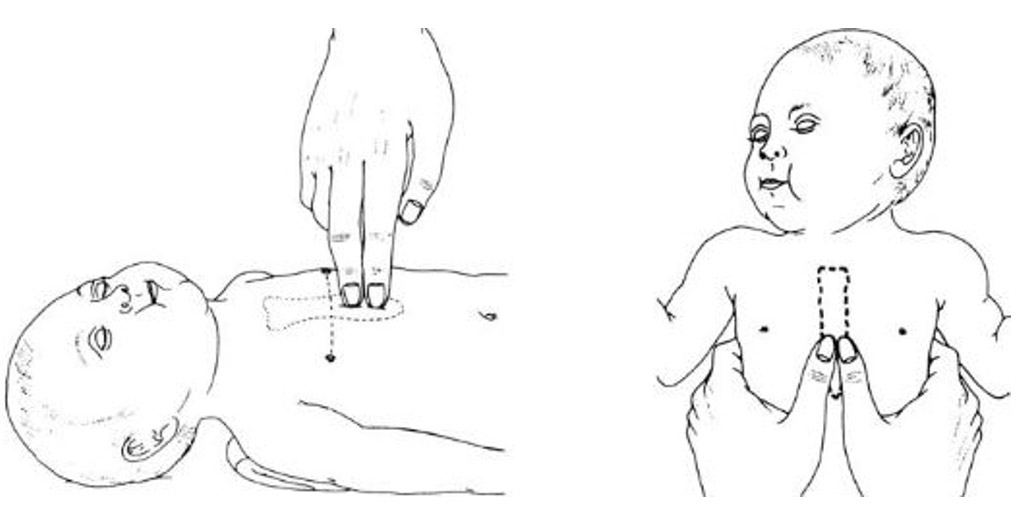
5 Chest compressions
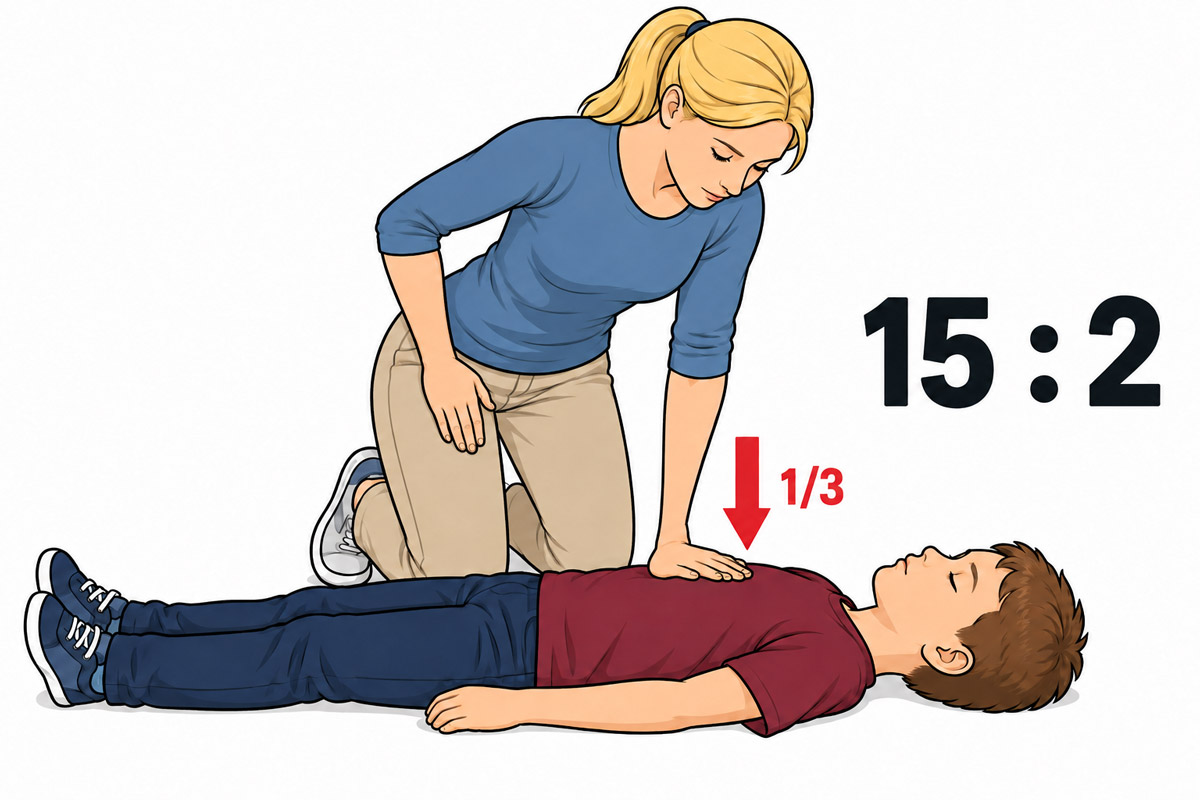
One-handed compressions
the child lies on a firm surface
one hand (both for a larger child) on the lower half of the breastbone
depth: 1/3 of the chest rate 100–120 per minute 15 compressions : 2 breaths
Not trained in child CPR? Use 30 : 2 and follow the dispatcher.
▶ START COMPRESSION RHYTHM
6 AED
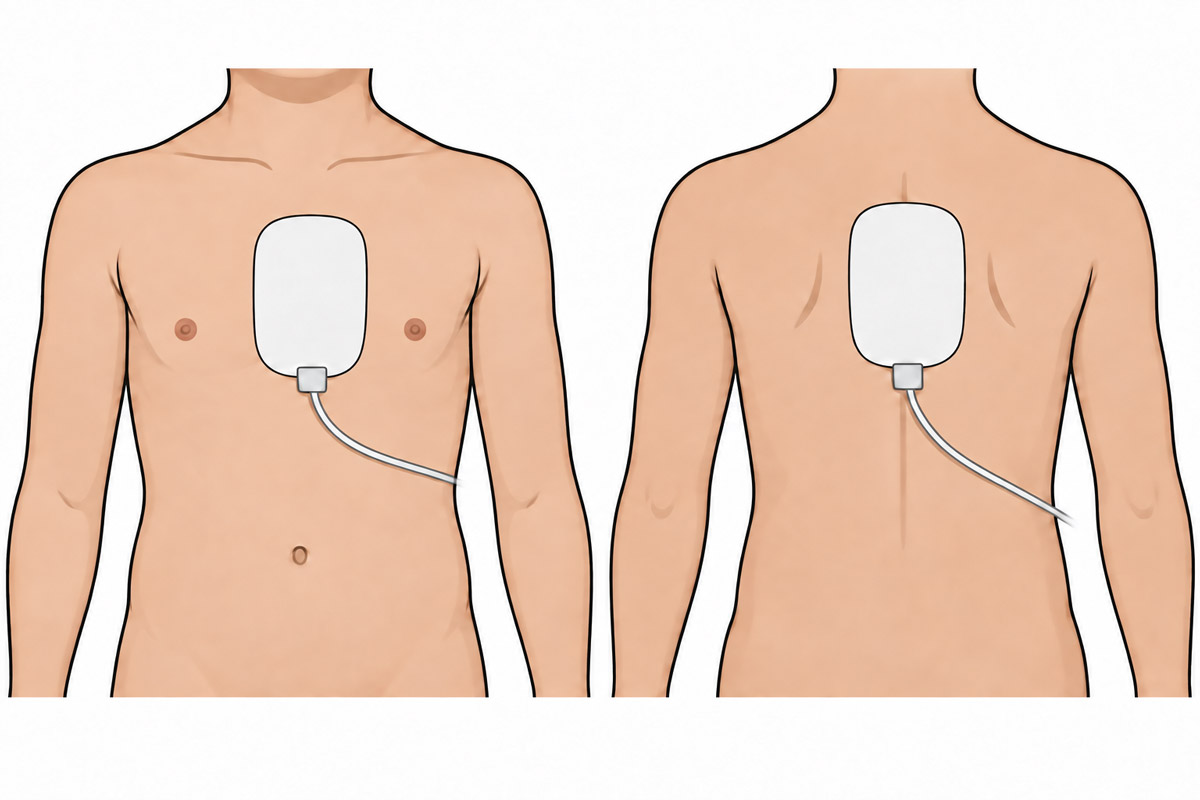
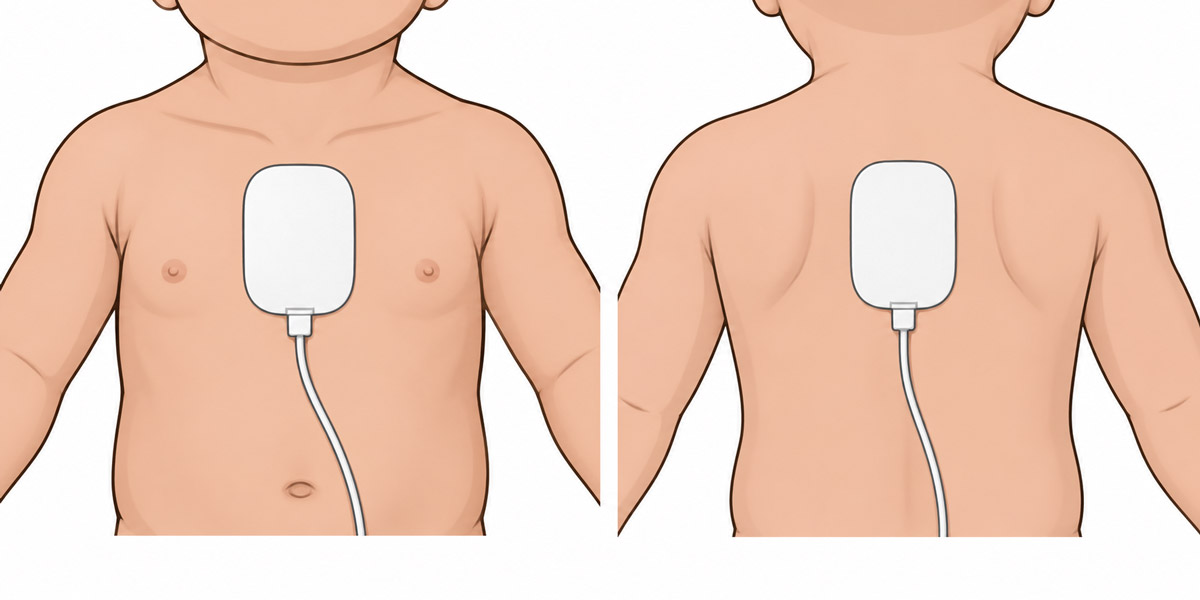
Pads on a child
switch on the device and follow the voice prompts
an AED can be used on a child of any age
use paediatric pads or the child mode if the AED has them; if not, use adult pads
child up to 8 years or 25 kg: one pad on the front (slightly left of the centre of the chest), the other on the back between the shoulder blades
do not touch the child during analysis and shock
resume CPR immediately after the shock
7 Continue until …
emergency medical help arrives
the child starts to breathe and move normally
you are exhausted or someone takes over
Important
in children, breathing is key – that is why rescue breaths are so important
don’t be afraid to help
← All topics
Chest pain
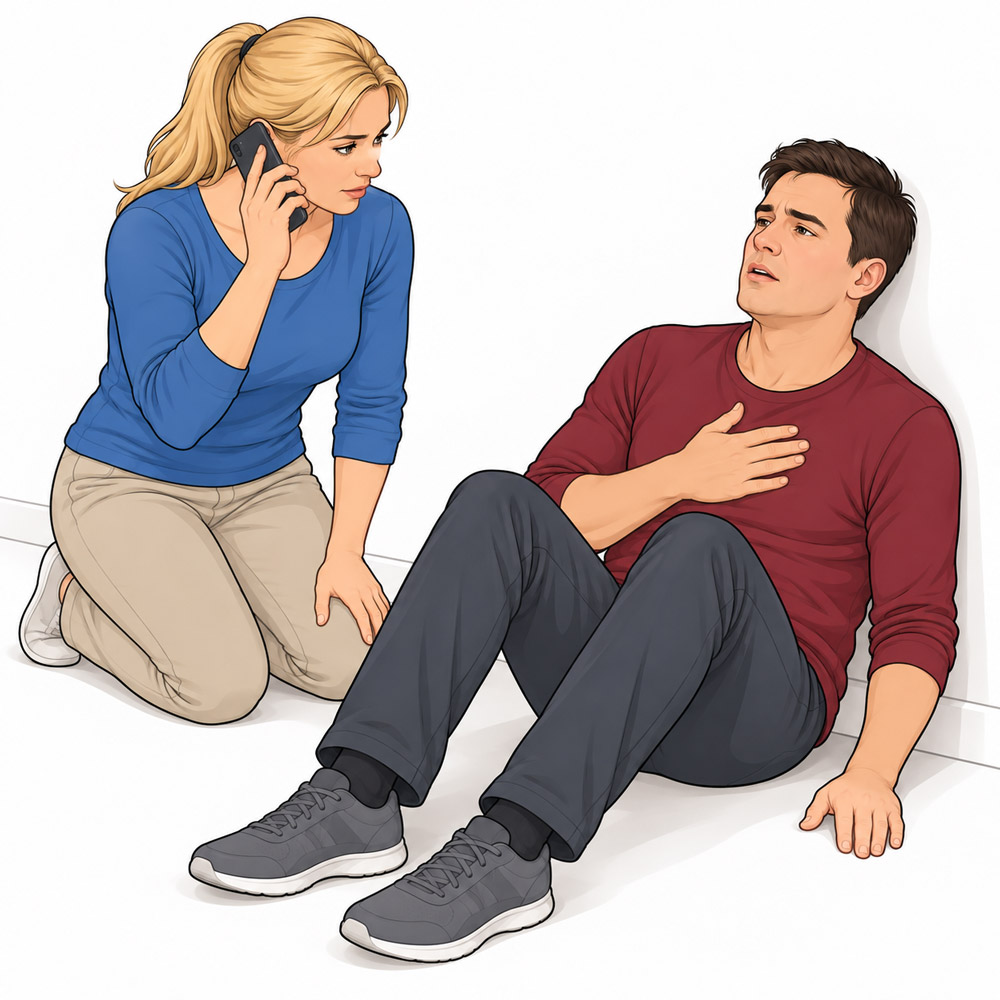
Pressing chest pain may be a heart attack. Every minute counts.
Suspect a heart attack = call 112 IMMEDIATELY.
Signs
pressing, burning pain or pressure in the chest lasting several minutes
pain spreads to the arm, neck, jaw or back
shortness of breath, sweating, nausea, pallor
fear, restlessness
in women, older people and diabetics the signs may be milder
1 Call 112
say that you suspect a heart attack
send someone to fetch an AED
2 Rest
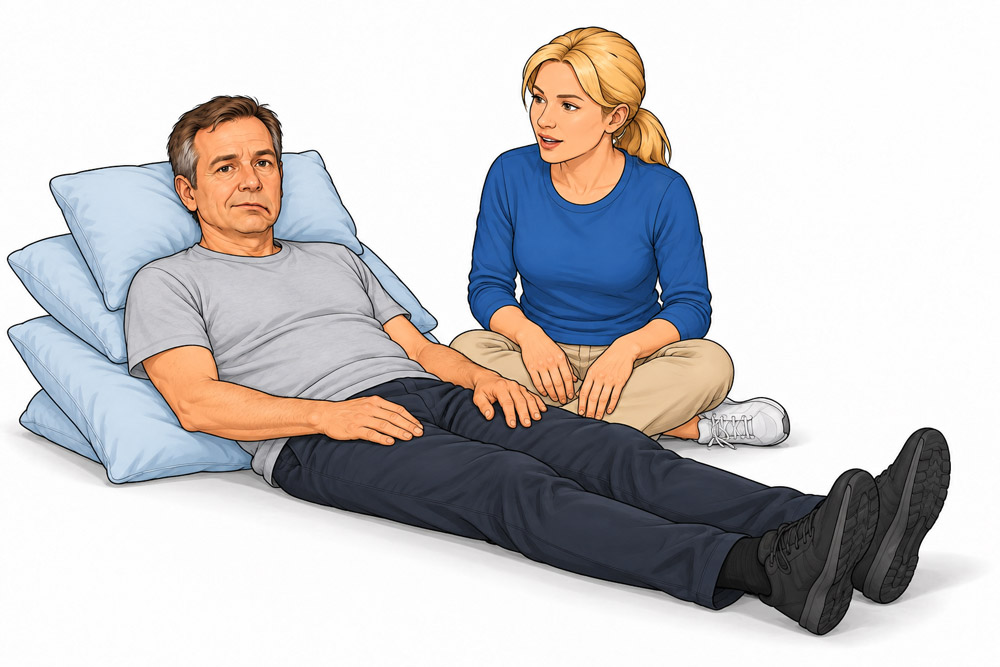
Resting in a half-sitting position
the person should sit or half-sit and rest
loosen tight clothing and reassure them
3 Aspirin
Chew an aspirin
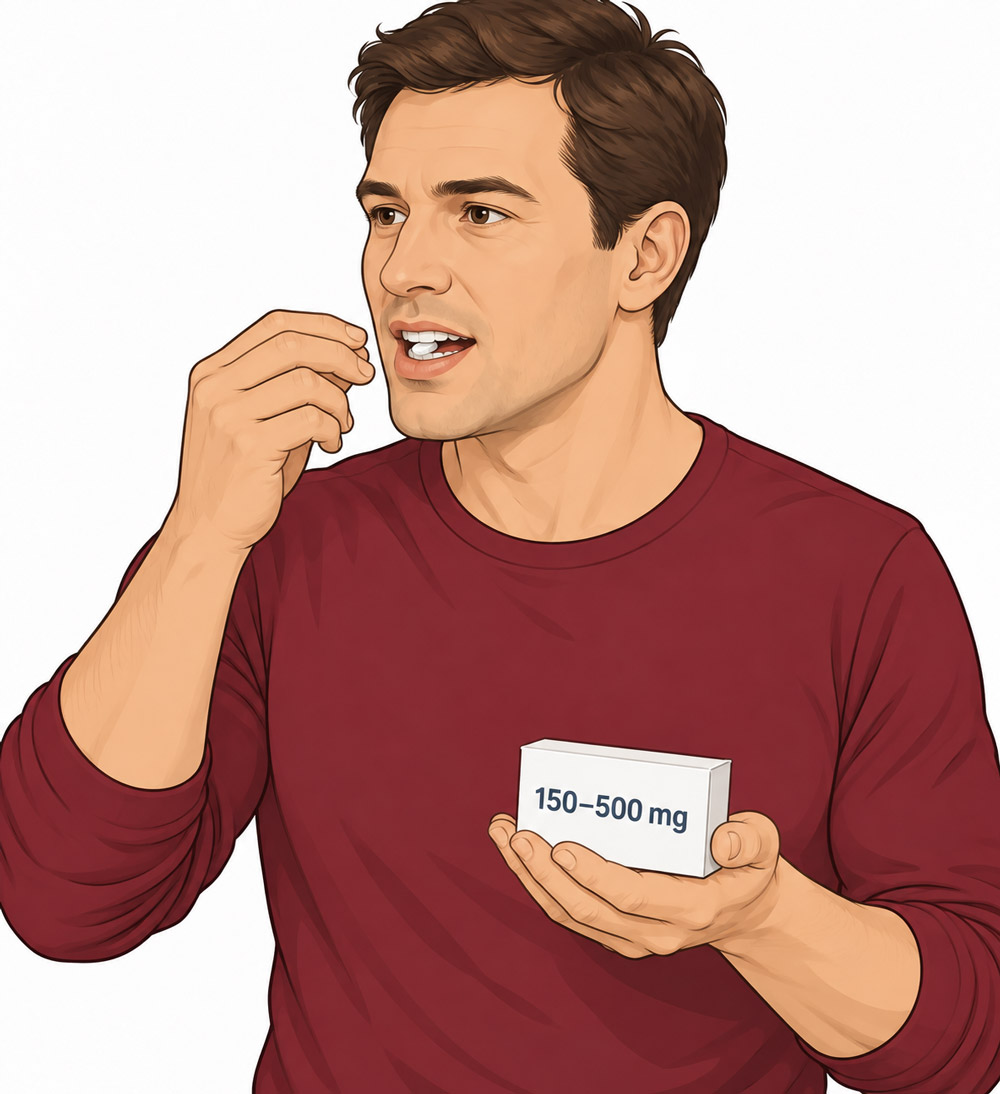
adult who is not allergic to aspirin: chew 150–500 mg of aspirin
give it as soon as possible
have prescribed nitroglycerin? Help them take it
Do not give aspirin if they are allergic to it, to a child, or if there are signs of stroke.
4 Monitor their condition
✕ What not to do
do not let them walk or exert themselves
do not drive them to hospital yourself – call 112
do not wait for the pain to pass
← All topics
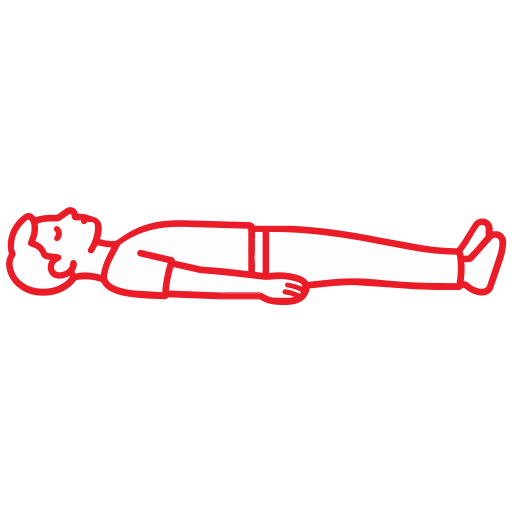
Unconsciousness
The person does not respond to their surroundings. The airway and breathing are at risk.
Treat any unconsciousness as an emergency.
How to recognise it?
the person is lying or sitting motionless
does not respond to voice or touch
eyes may be closed or open
does not speak or move
1 Make sure it is safe
check the surroundings (traffic, electricity, dangerous objects)
approach calmly
2 Check responsiveness
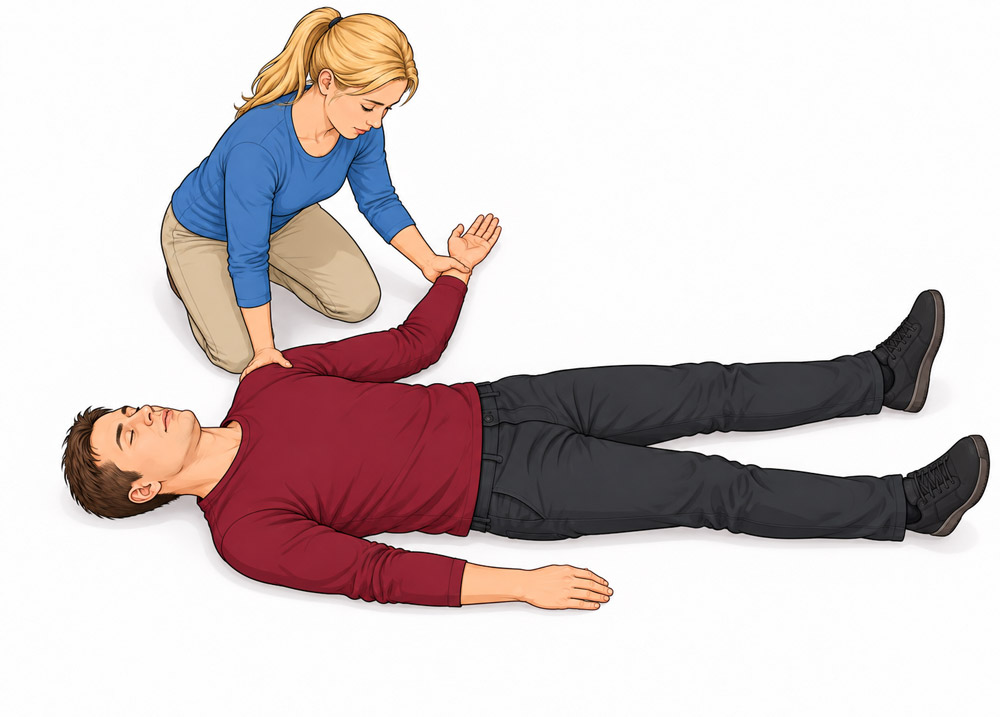
Checking responsiveness
speak loudly: “Are you all right?”
gently shake them by the shoulders
no response → continue
3 Call 112
call as soon as the person does not respond
say that the person is unconscious, and where you are
switch on the speaker
4 Check breathing – no more than 10 seconds
Opening the airway and checking breathing
tilt the head back, lift the chin
look, listen and feel for breathing
not breathing or breathing abnormally → START CPR IMMEDIATELY breathing normally → recovery position (next step)
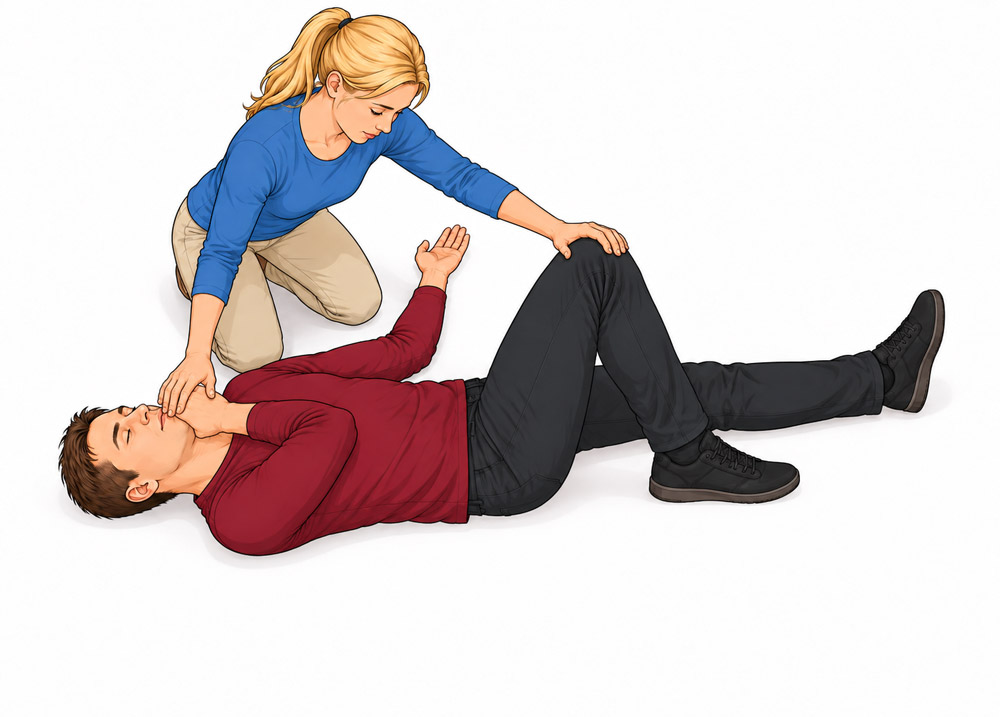
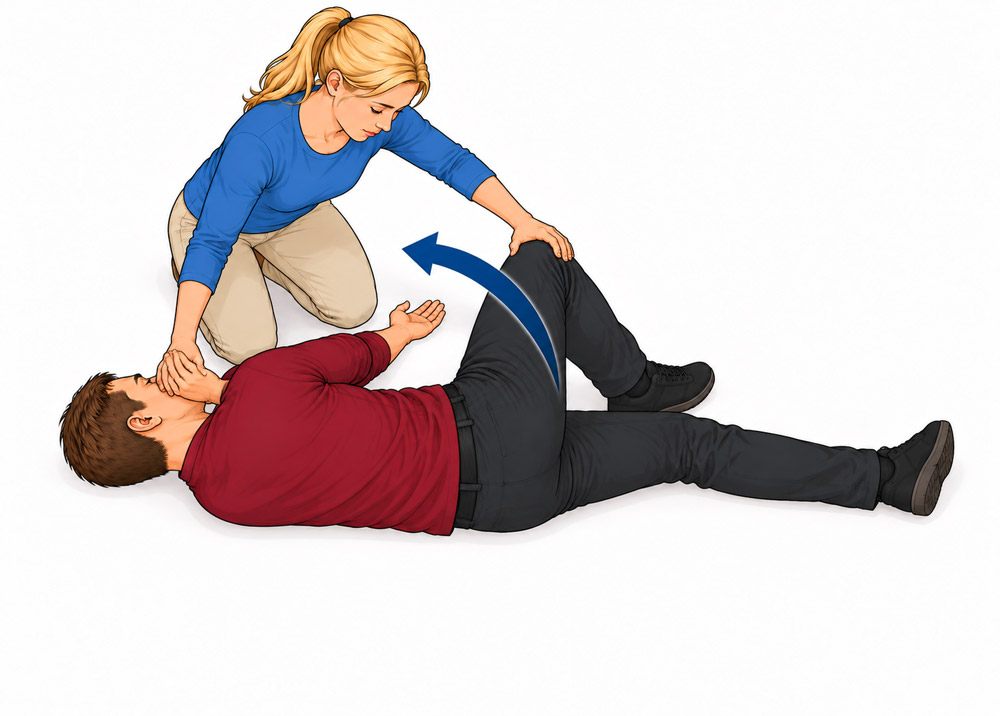
5 Recovery position
Recovery position – step 1
Recovery position – step 2
Recovery position – step 3
Recovery position – final
carefully roll the person onto their side
bend the upper leg
tilt the head back slightly
mouth facing downwards (so fluids can drain)check breathing regularly
6 Monitor their condition
watch breathing and consciousness
do not leave the person alone
stops breathing → CPR
✕ What not to do
do not give food or drink
do not pour water over them
do not try to “wake” the person by force
do not leave the person alone
Possible causes
lack of oxygen, cardiac arrest, stroke
head injury, poisoning, low blood sugar, epileptic seizure
the cause is not always obvious – so always call for help
← All topics
Bleeding
Severe bleeding is life-threatening – a person can bleed to death within minutes.
Treat any heavy bleeding as an emergency.
How to recognise dangerous bleeding?
heavy, continuous bleeding
blood spurts or flows in a stream
clothing quickly becomes soaked with blood
pallor, cold sweat, dizziness
confusion or loss of consciousness
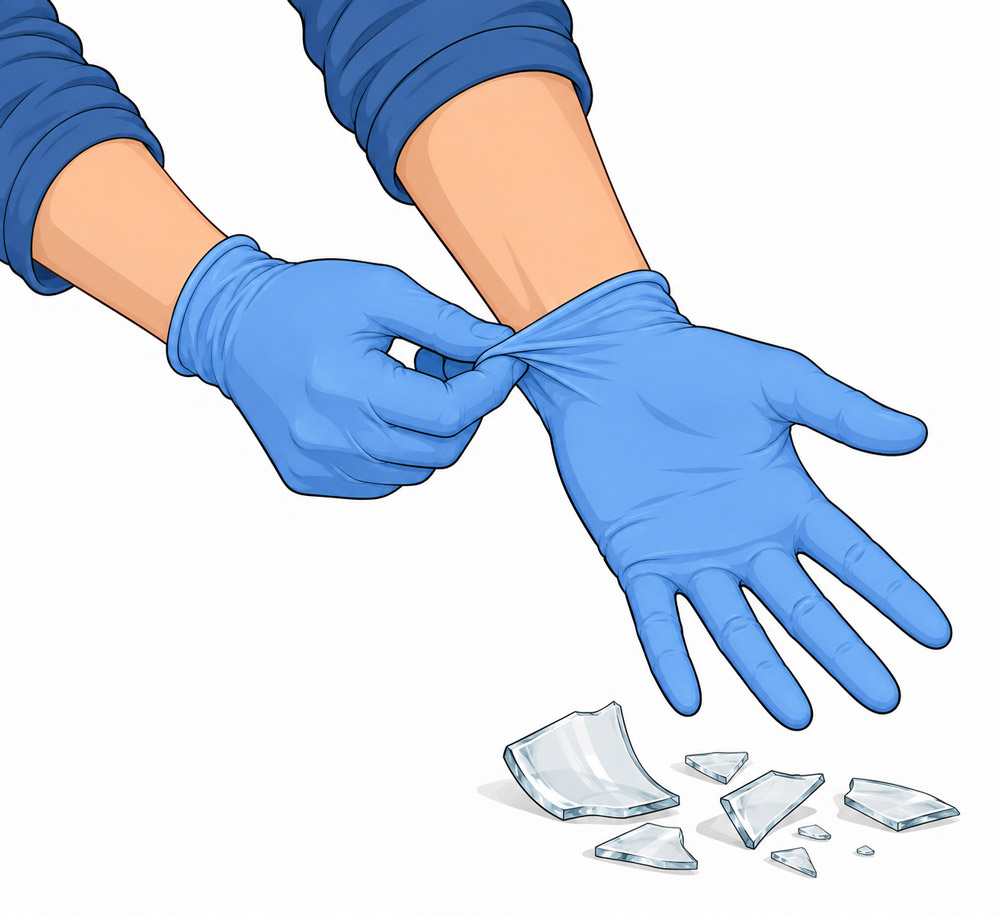
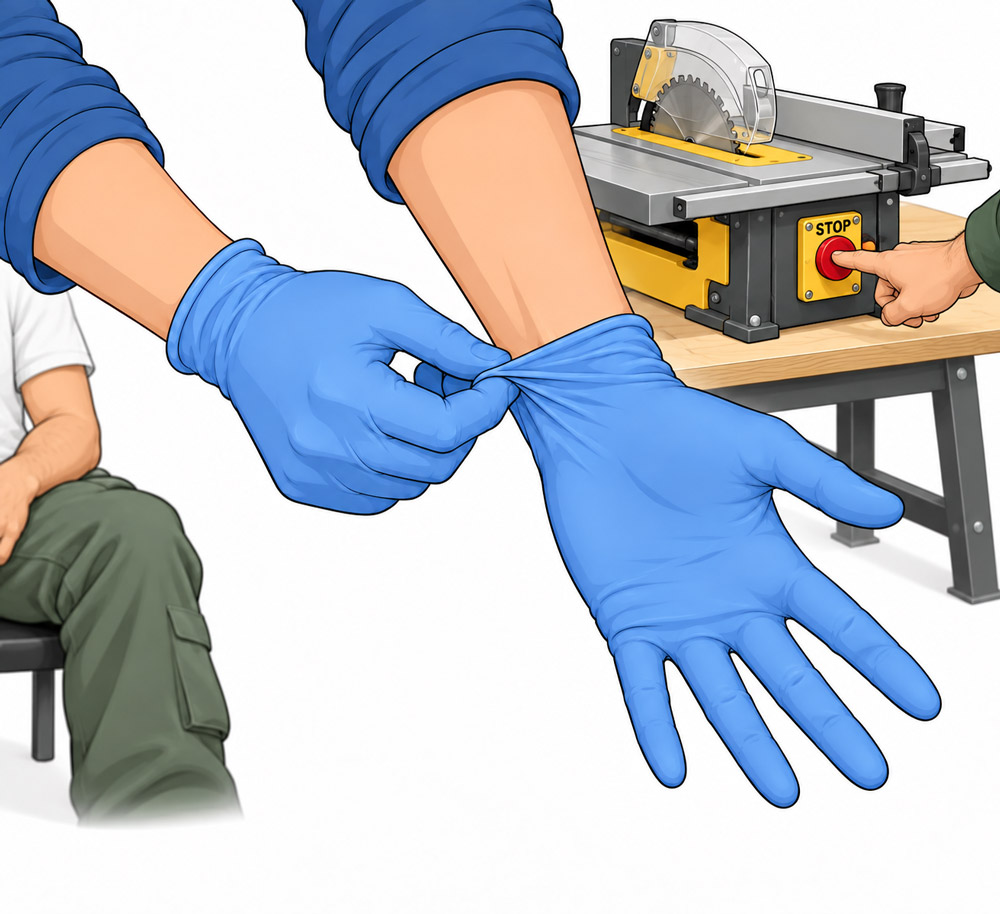
1 Make sure it is safe
Gloves
check the surroundings (traffic, glass, dangerous objects)
put on gloves if possible
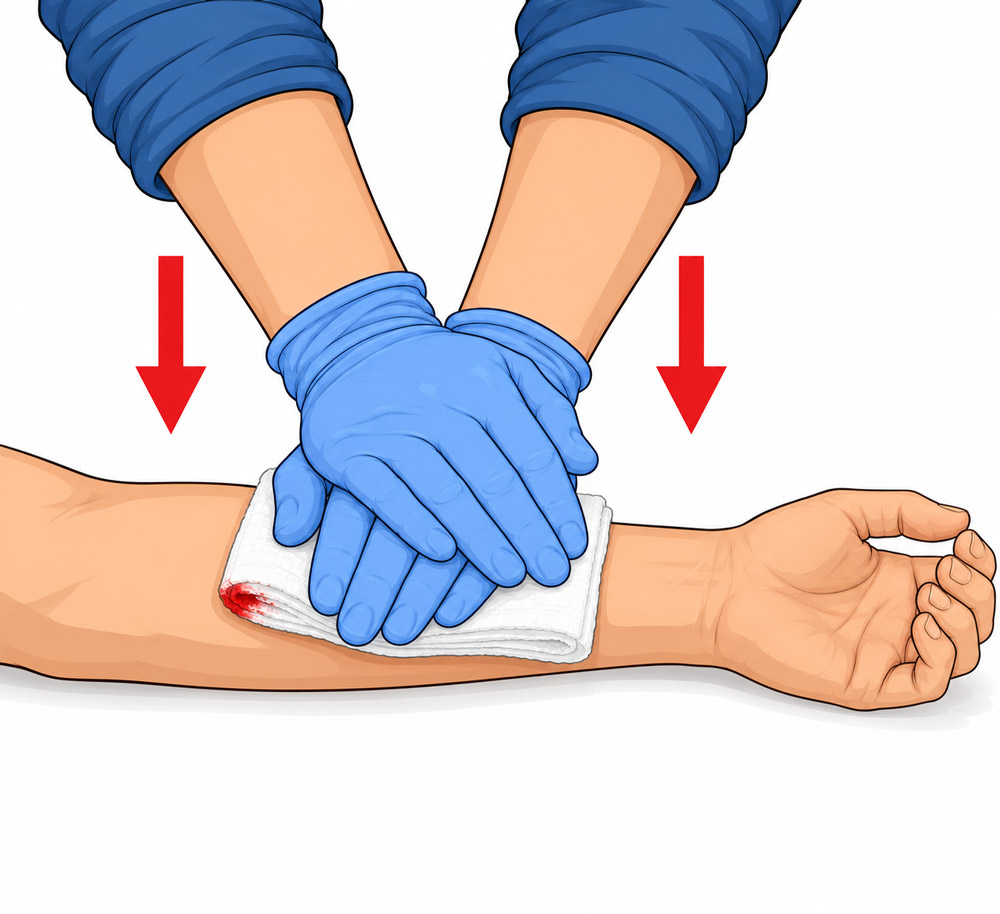
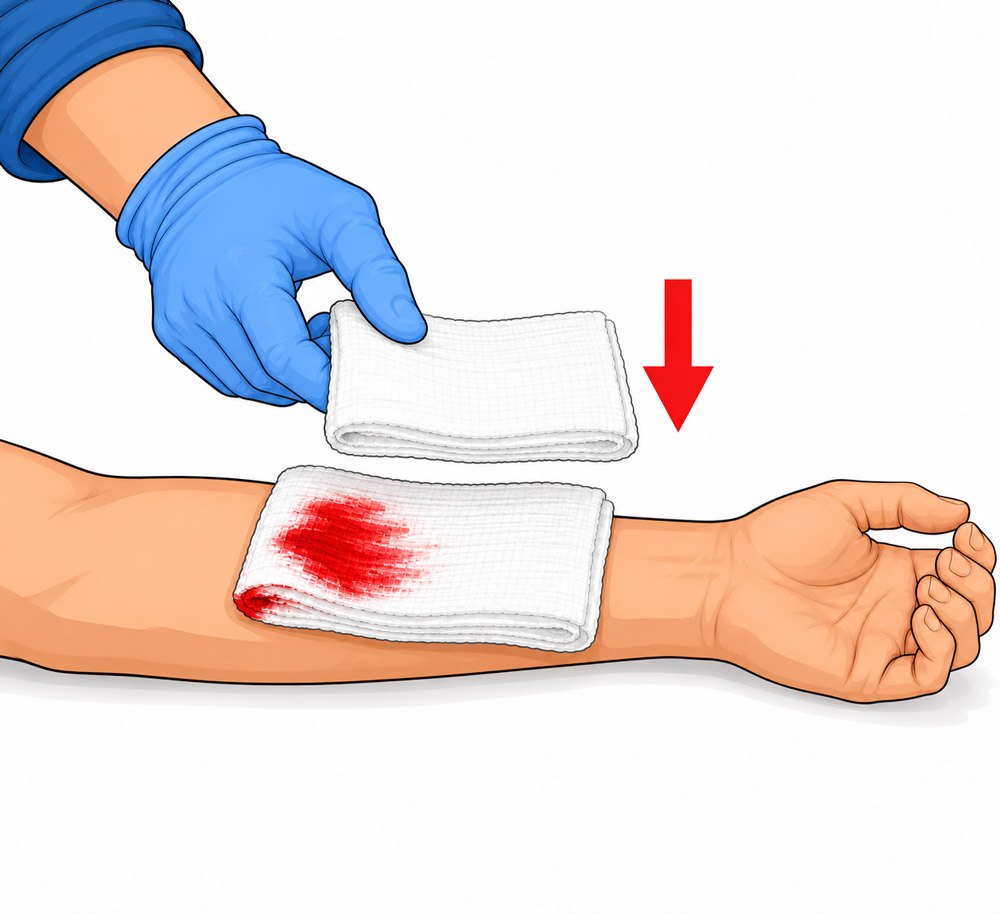
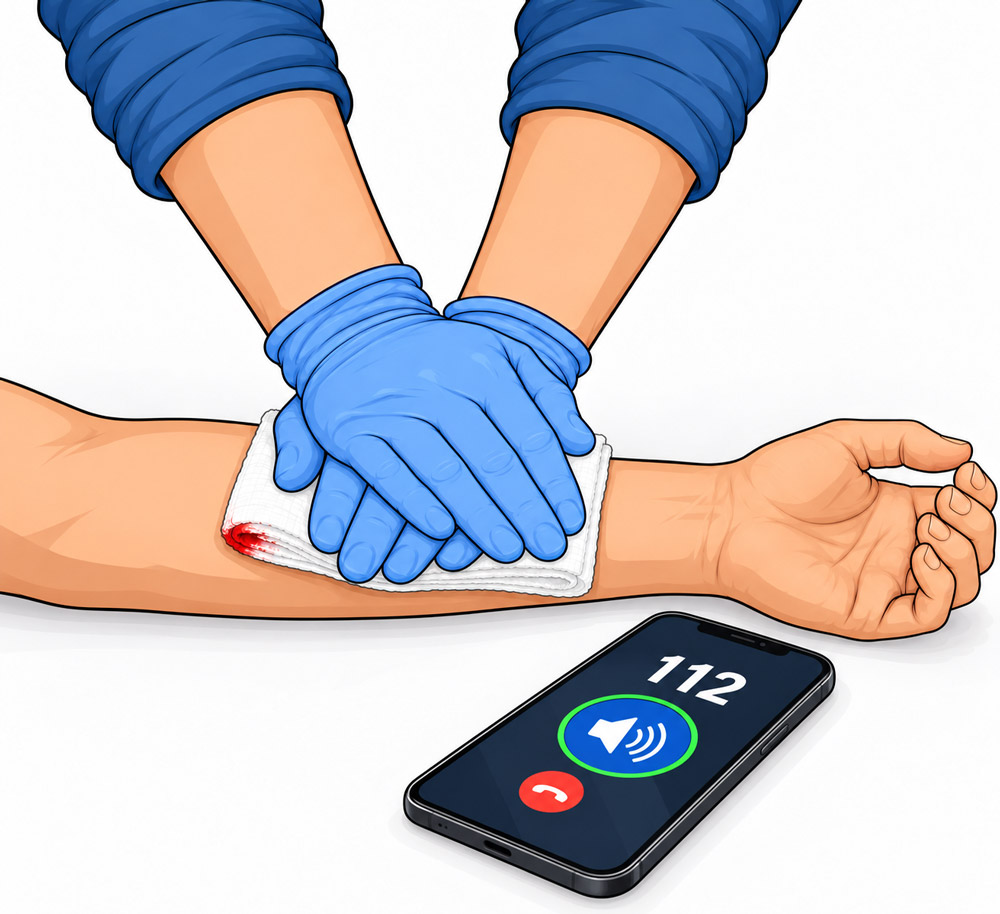
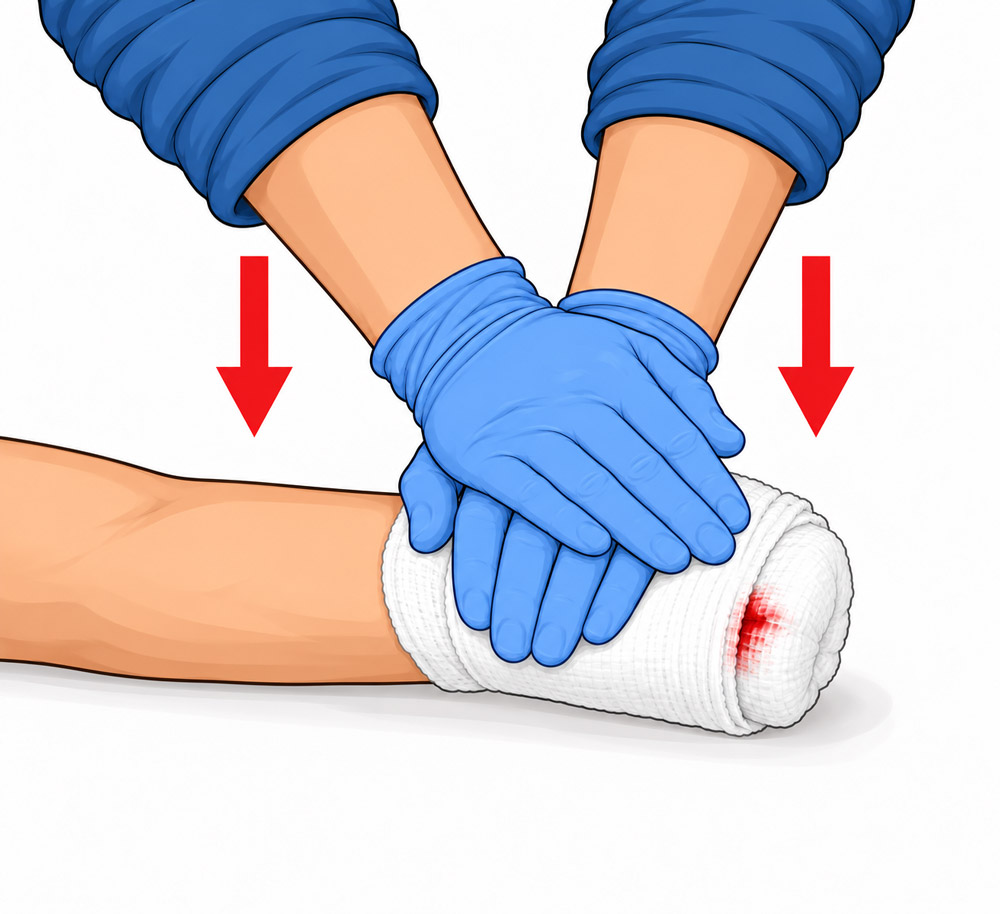
2 Press firmly on the wound
Direct pressure
Add new gauze
with a clean cloth, bandage or piece of clothing
press directly on the wound keep up the pressure without interruption
dressing soaks through → do not remove it, add a new one on top
This is the most important measure.
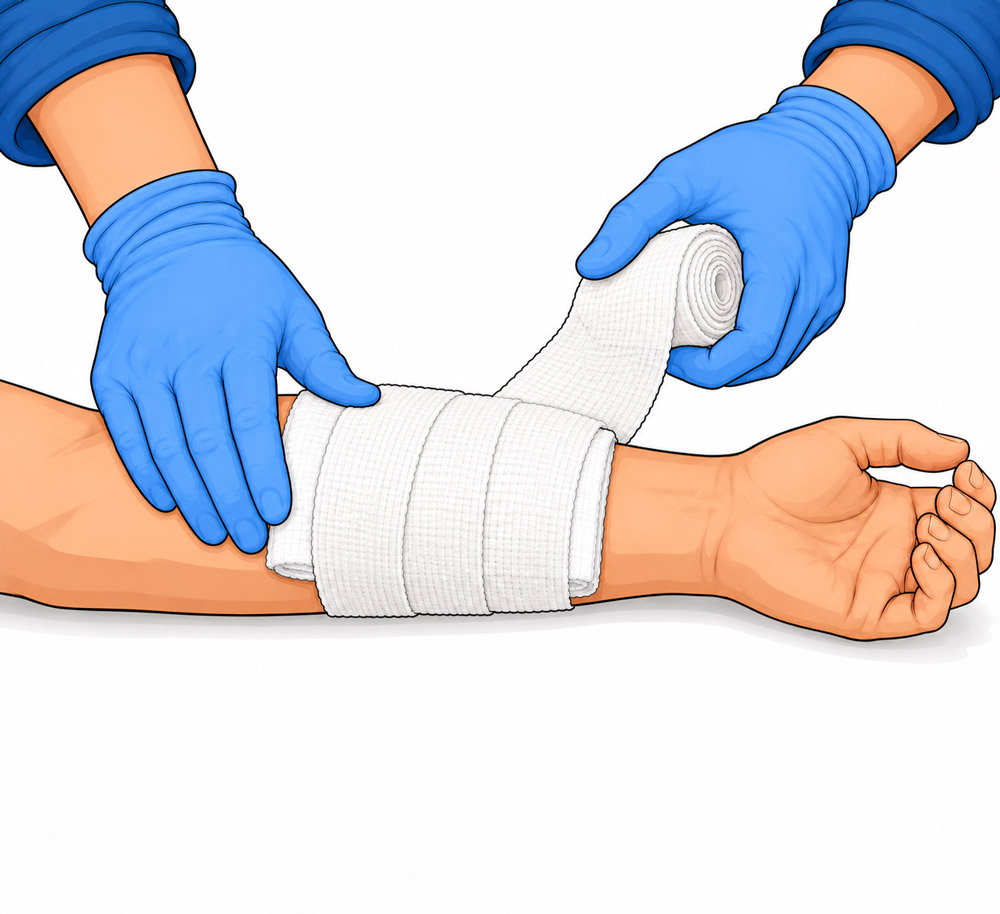
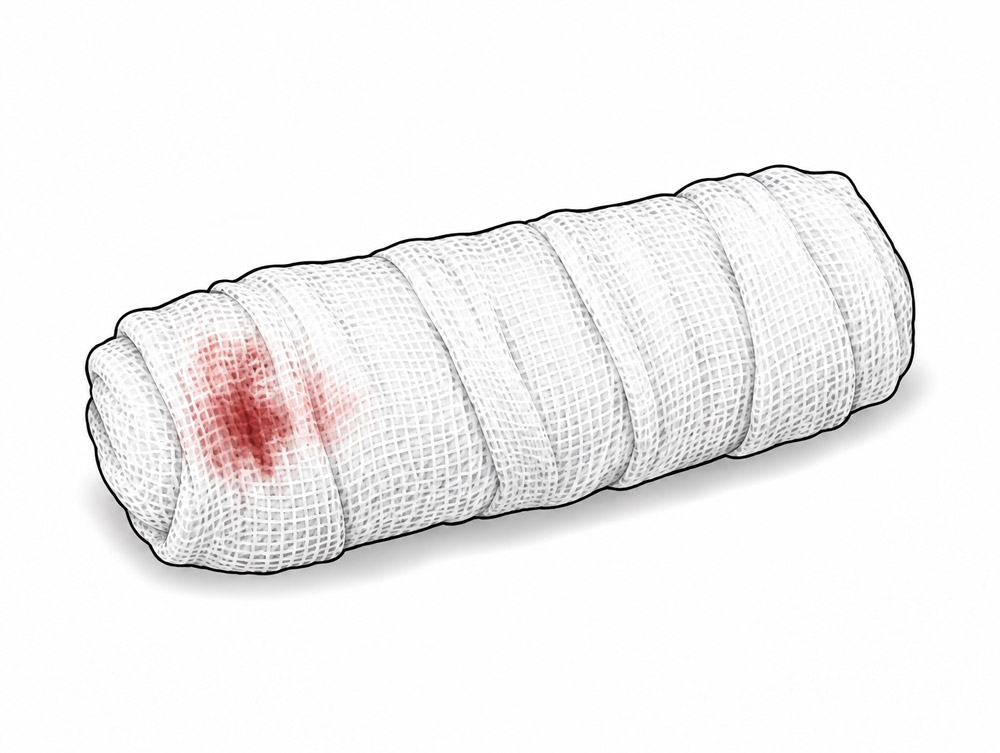
3 Bandage
Pressure bandage
once the bleeding slows, firmly apply a pressure bandage over the gauze
the bandage should press, but must not cut off circulation
have haemostatic gauze ? Pack it into the wound and press firmly on it
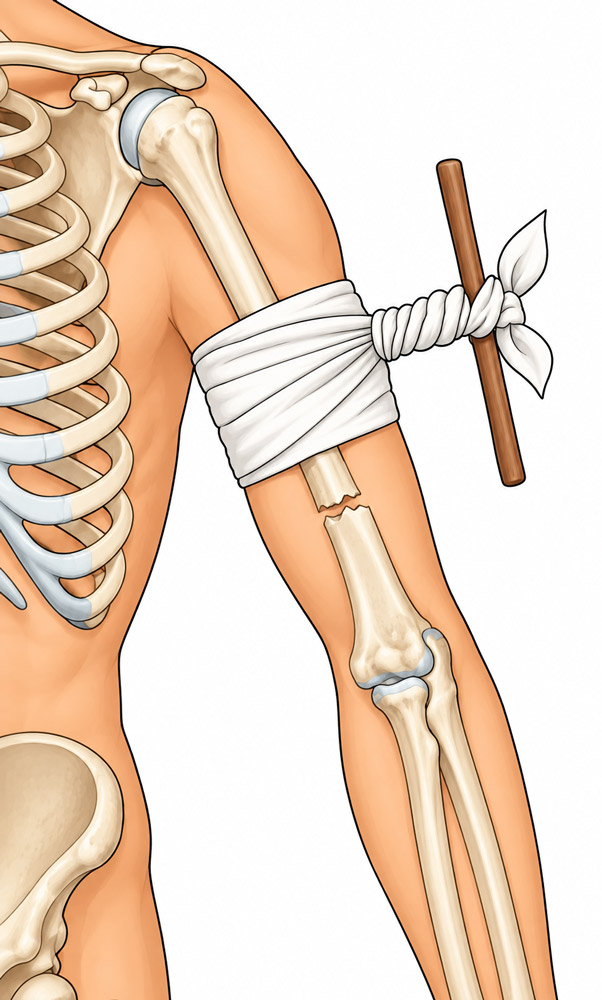
4 Tourniquet
Tourniquet above the wound
for severe bleeding from an arm or leg when pressure is not enough
apply 5–7 cm above the wound , not over a joint
tighten firmly until the bleeding stops
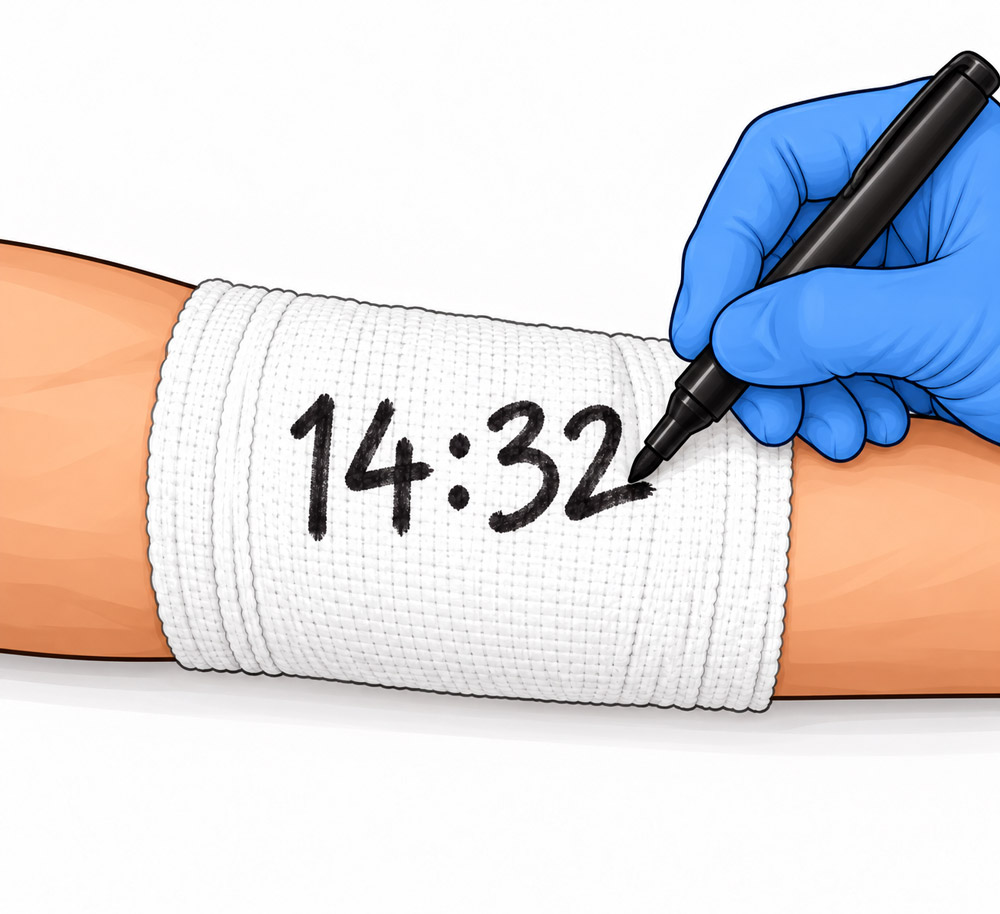
write the time of application on the tourniquet bleeding does not stop → second tourniquet just above the first
do not remove it – only medical staff may do so
5 Call 112 if …
you cannot stop the bleeding
the wound is deep or large
it is an amputation
the person shows signs of shock
it is a child or an infant
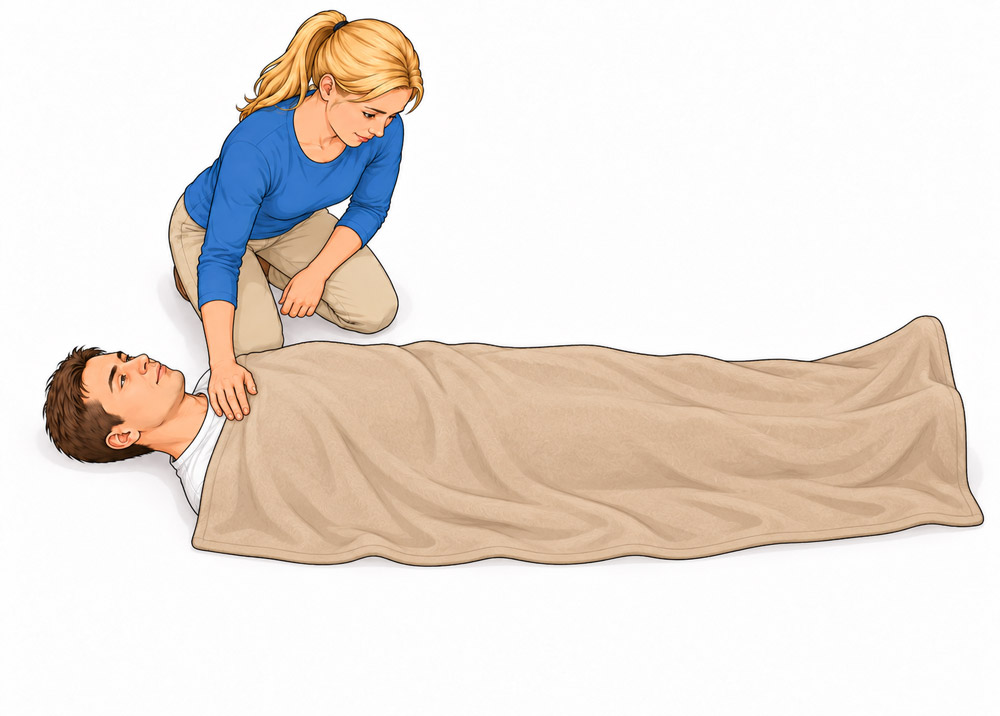
6 Prevent shock
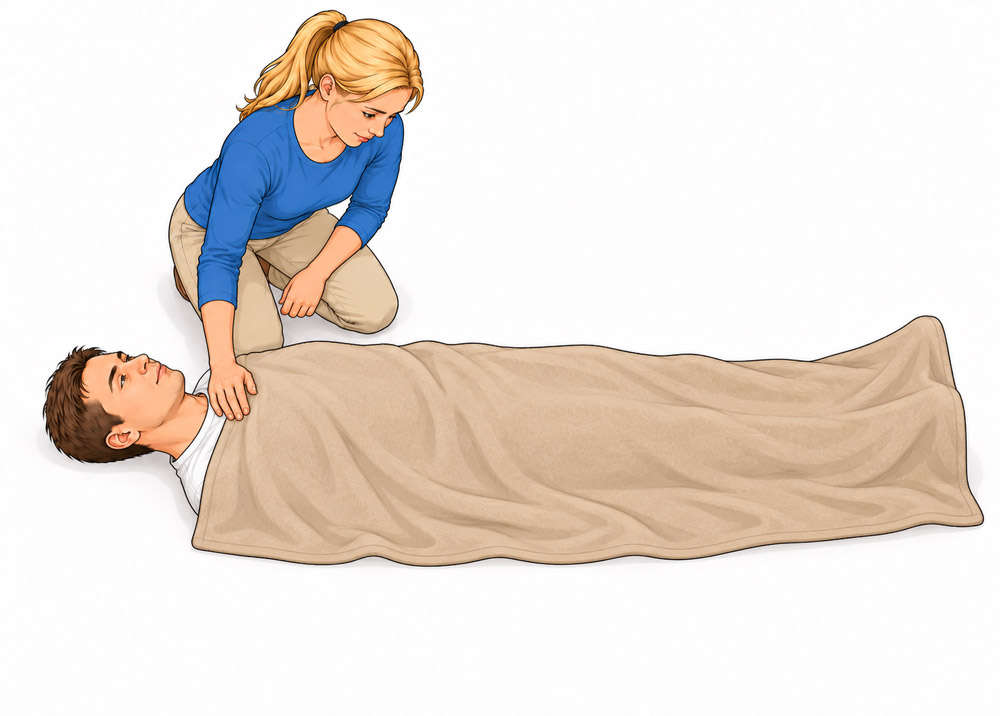
Covered with a blanket
lay the casualty down and cover them with a blanket
reassure them
do not give food or drink
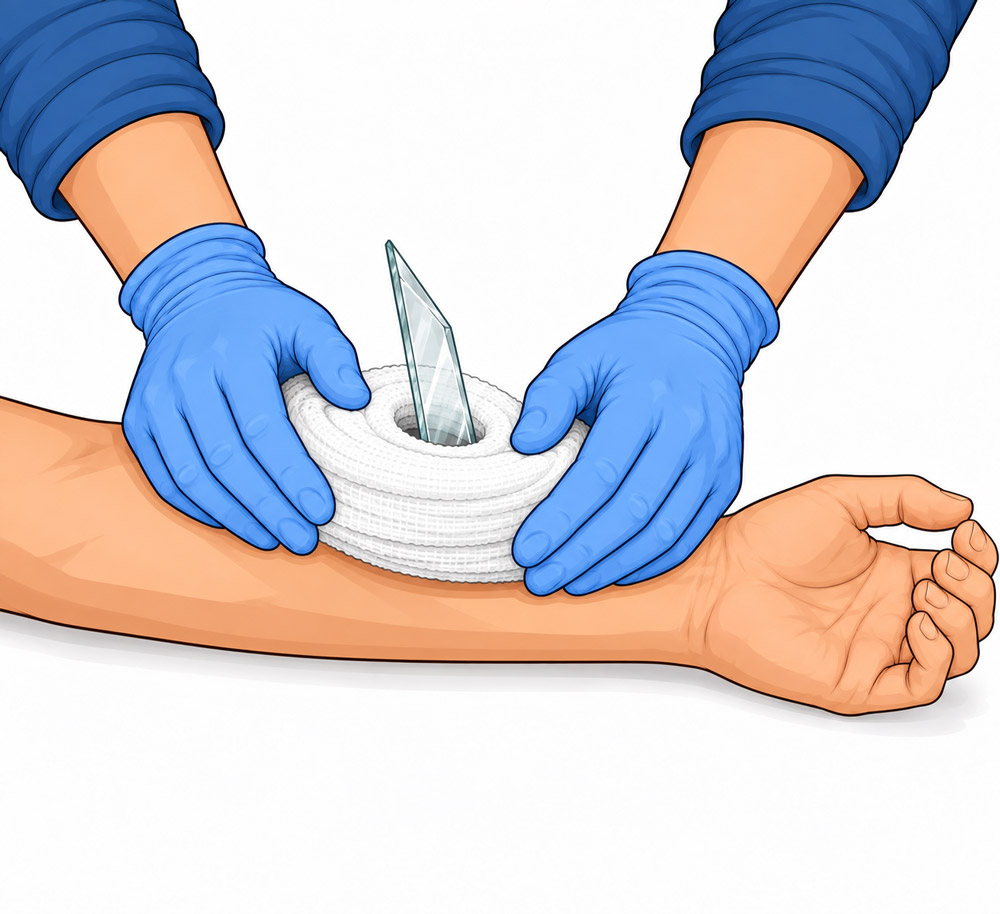
Object in the wound
Object in the wound
DO NOT remove the objectpress around the wound
stabilise the object
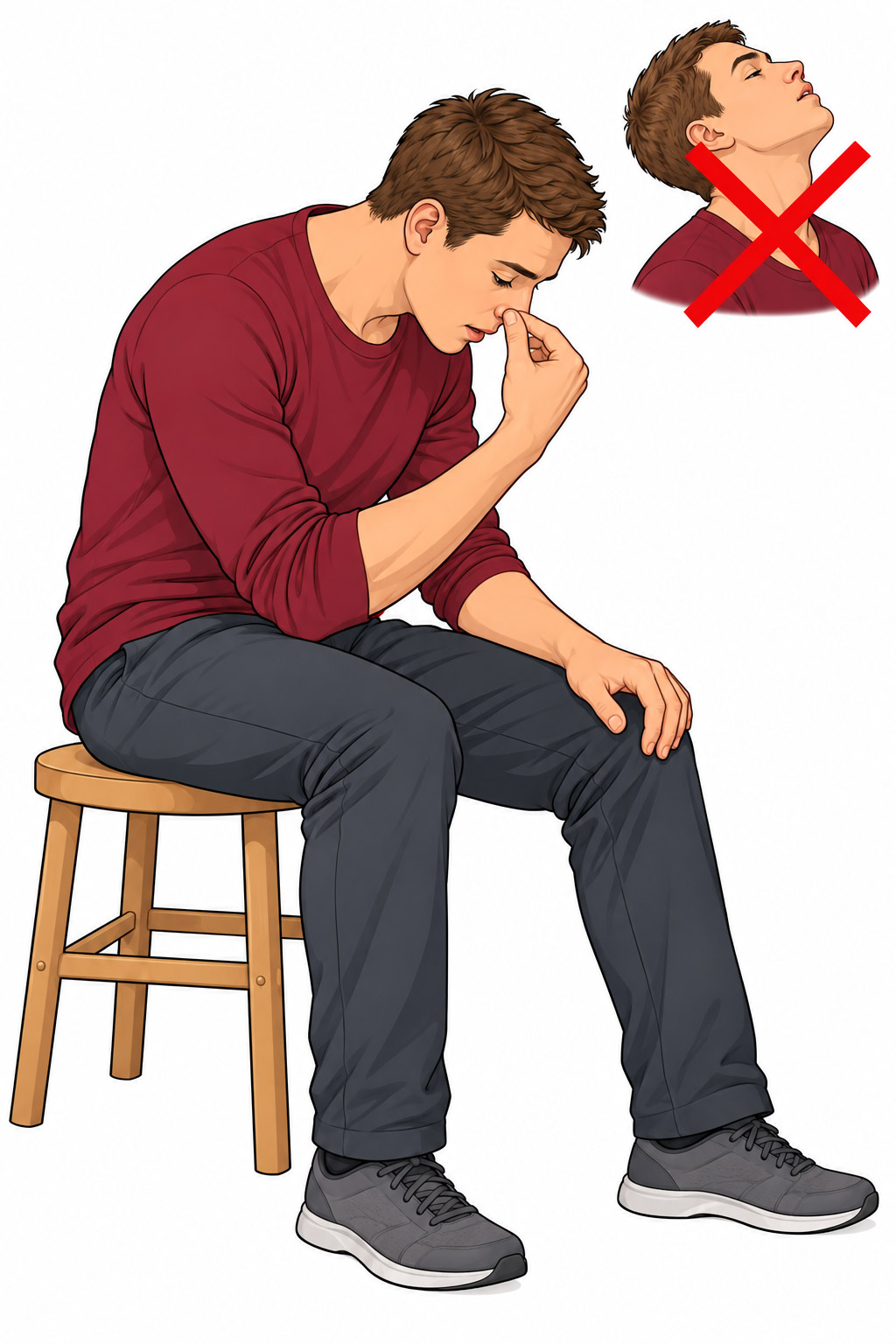
Nosebleed
Nosebleed
the person should sit and lean forward
pinch the soft part of the nose, hold for 10 minutes
do not tilt the head back
Suspected internal bleeding
severe pain, swelling, nausea, fainting
call 112 and monitor their condition
Important
severe bleeding can kill faster than cardiac arrest
it is better to act immediately than to wait
← All topics
Amputation
Complete or partial severing of a body part (finger, arm, leg). Severe bleeding and shock are the dangers.
Amputation = call 112 IMMEDIATELY.
How to recognise it?
a body part is completely or partly severed
heavy bleeding
visible bone, muscle or tendons
severe pain
signs of shock (pallor, cold sweat, restlessness)
1 Make sure it is safe
Safety and gloves
check the surroundings (machinery, traffic, electricity)
protect yourself (gloves, if available)
move the casualty to safety
2 Call 112 immediately
Calling 112 on speaker
say that it is an amputation, which body part, and where you are
switch on the speaker and follow the instructions
3 Stop the bleeding
Pressure on the stump
press firmly on the wound with a clean cloth or bandagekeep up the pressure without interruption
This is the most important thing.
4 Tourniquet, if needed
Tourniquet above the wound
Write the time on the tourniquet
you cannot stop the bleeding → tourniquet 5–7 cm above the wound , not over a joint tighten firmly so that the bleeding stops write the time of application on the tourniquet do not remove the tourniquet
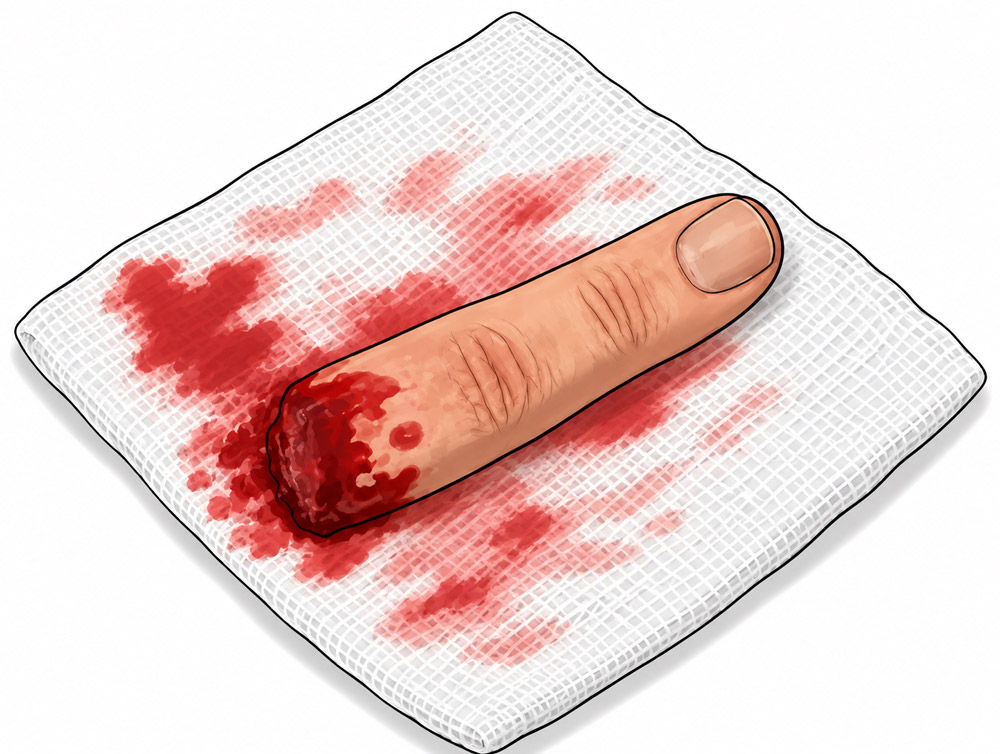
5 Care for the amputated part
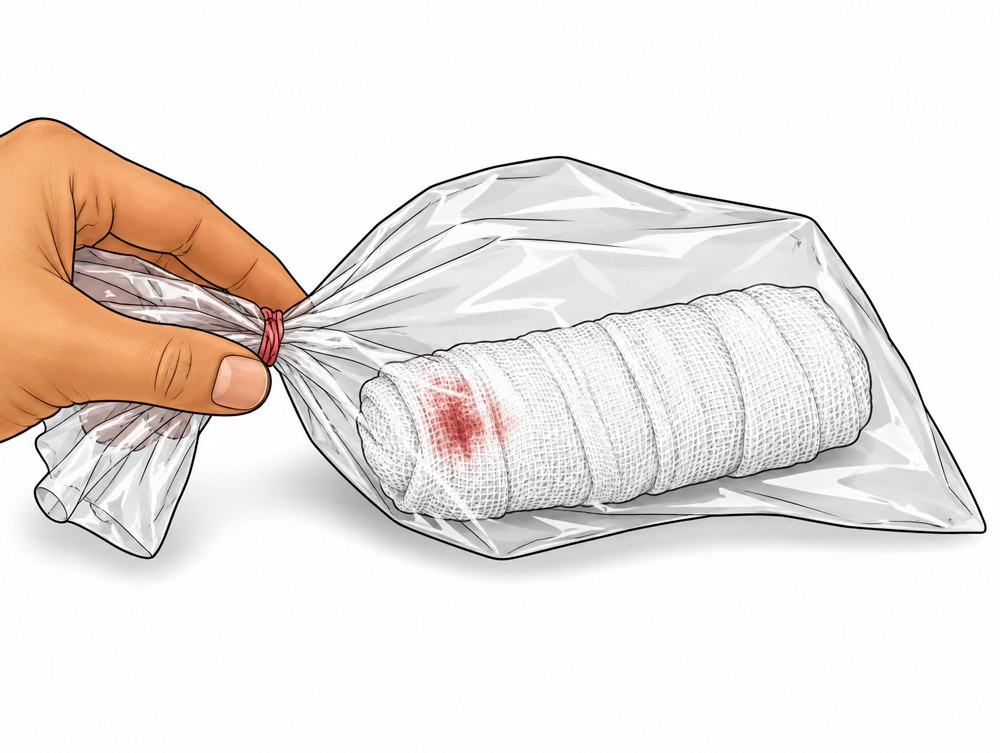
Gently clean the amputated finger (do not rub it) and place it on slightly damp sterile gauze or a cloth.
Wrap the finger in clean gauze or a cloth.
Put the wrapped finger into a dry plastic bag and seal it airtight (tie it). The finger must stay dry.
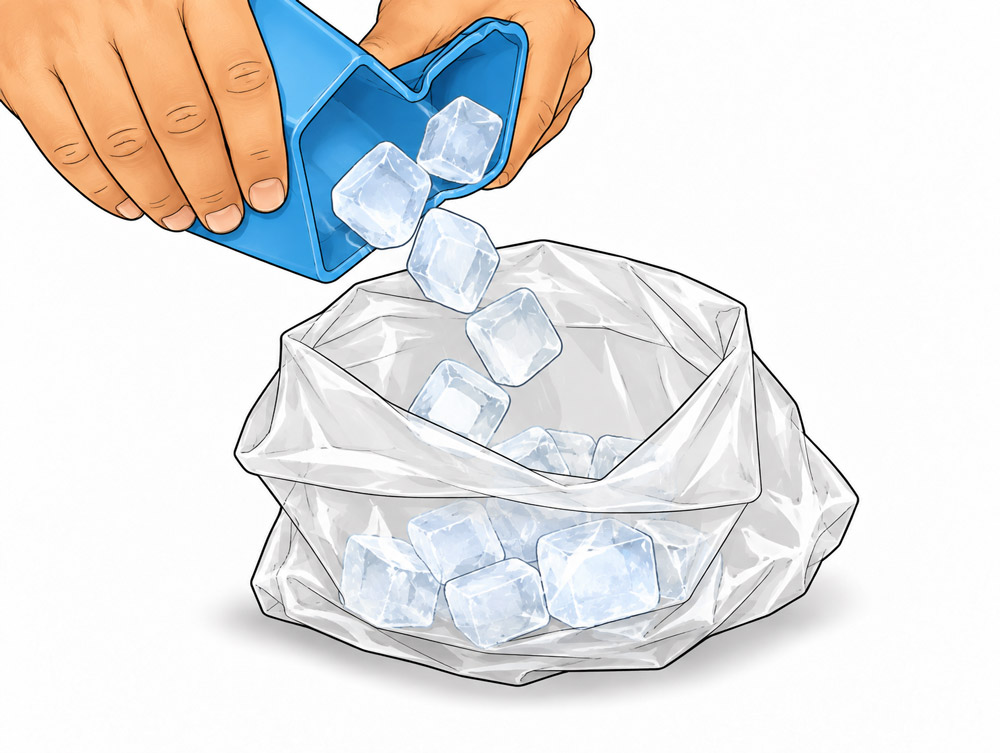
Fill a second bag with a mixture of water and ice (the ideal temperature is about 4 °C).
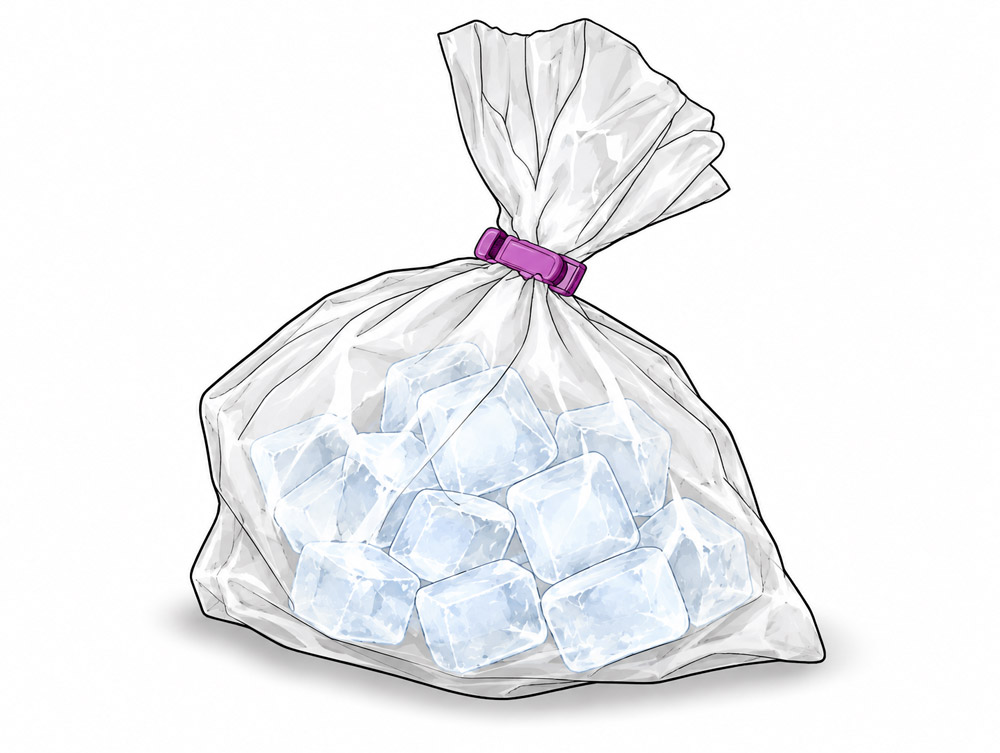
Put the first bag into the second bag.
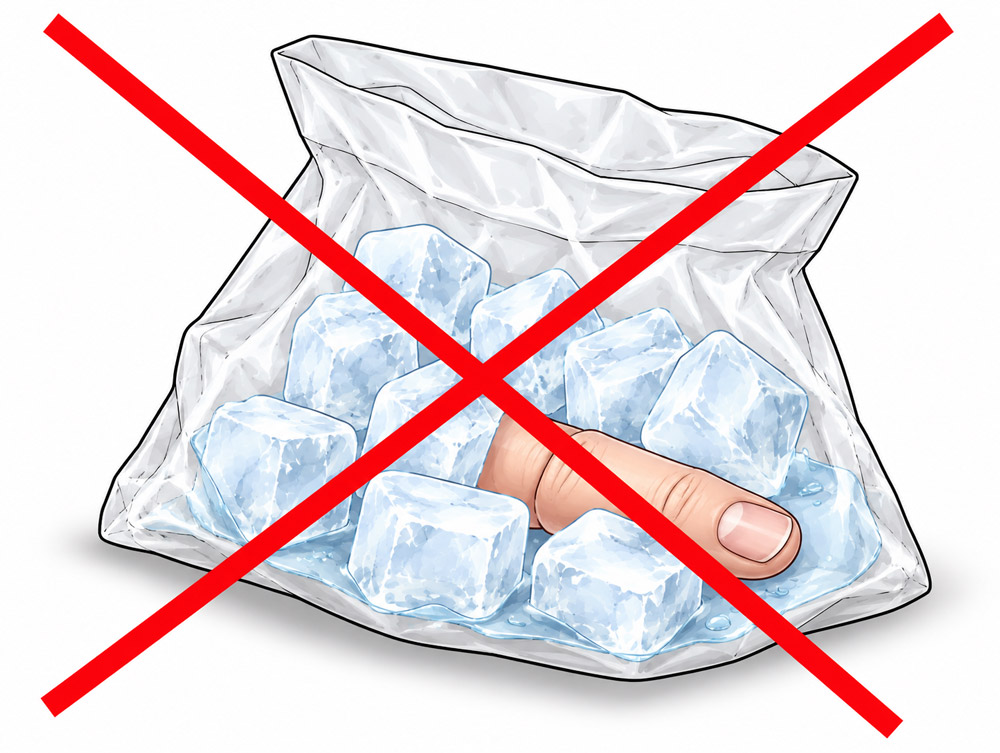
There must be no direct contact between the finger and the ice. The tissue must not get wet or freeze.
do not rinse or rub it
wrap it in sterile or clean damp gauze
put it in a clean bag and seal it
put the bag into a second bag with cold water or ice
write the casualty’s name and the time on the bag
the part should travel together with the casualty to the same hospital
The amputated part must not be in direct contact with ice or water. Never freeze it.
6 Prevent shock
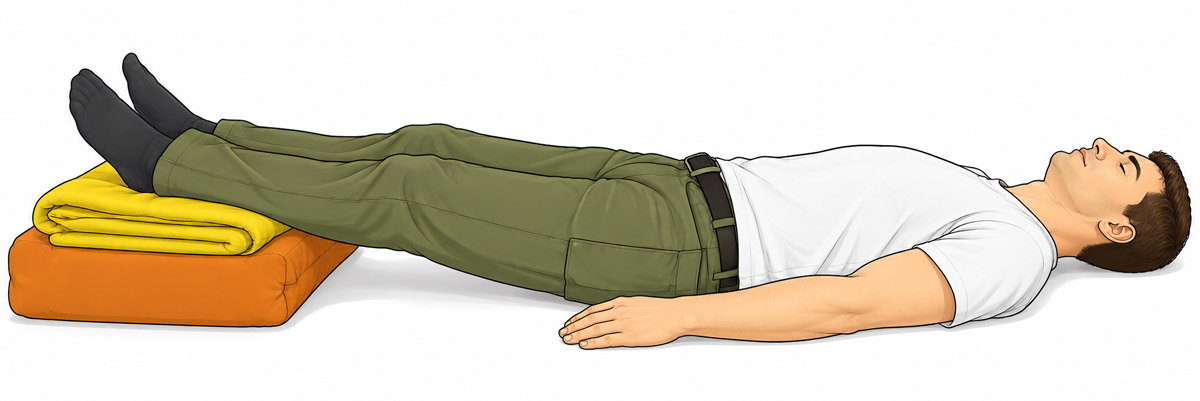
Legs raised
lay the casualty down, raise the legs if possible (20 - 30 cm)
cover them with a blanket and reassure them
do not give food or drink
7 Monitor their condition
✕ What not to do
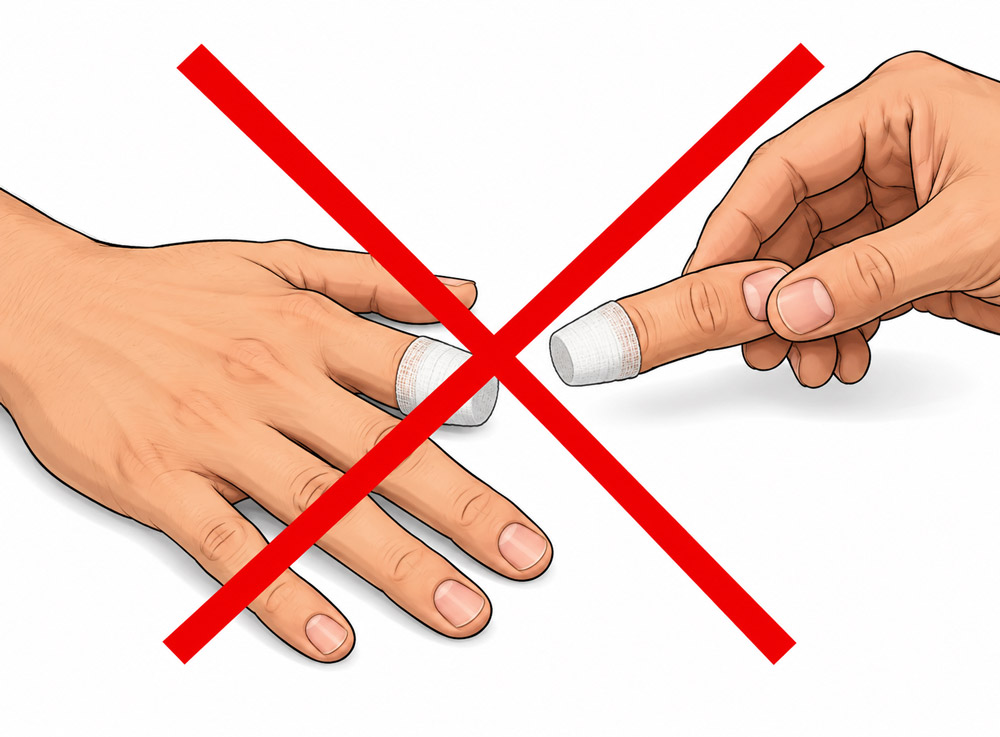
Do not put the finger back onto the stump
do not try to reattach the amputated part
do not remove clots from the wound
do not loosen the tourniquet
do not leave the casualty alone
do not underestimate the injury, even if the bleeding is not heavy
Important severe bleeding is the greatest danger correct care of the amputated part increases the chance of reattachment ← All topics
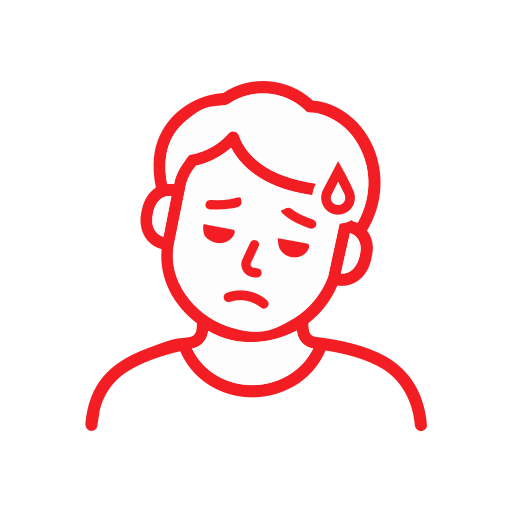
Shock
The body is not getting enough blood and oxygen. The condition can deteriorate quickly.
Act immediately at signs of shock.
Signs of shock
pale, cold, clammy skin, cold sweat
rapid pulse rapid, shallow breathing
restlessness, confusion, fear
dizziness, nausea, thirst
loss of consciousness (in severe cases)
1 Make sure it is safe
check the surroundings and remove any dangers
2 Call 112
say that you suspect shock, what happened and what their condition is
switch on the speaker
3 Lay the person down
Legs raised
lay the person on their back
no injury to the spine, pelvis or legs → you may raise the legs for a short time
breathing difficulties → raise the upper body slightly
Do not raise the legs if you suspect an injury to the spine, pelvis or legs.
4 Keep them warm
Covered with a blanket
cover them with a blanket or clothing
protect from cold or overheating
do not warm them directly with hot objects
5 Treat the cause
stop the bleeding , treat injuries
remove the allergen (if known) help with breathing
6 Monitor their condition
check consciousness and breathing regularly
be ready to start CPR
✕ What not to do
do not give food, drink or alcohol
do not leave the person alone
do not move them unnecessarily
Important
causes: severe bleeding, injuries, burns, allergy, infection, heart problems, poisoning
shock can be present even without visible injuries
correct positioning and warmth are key
← All topics
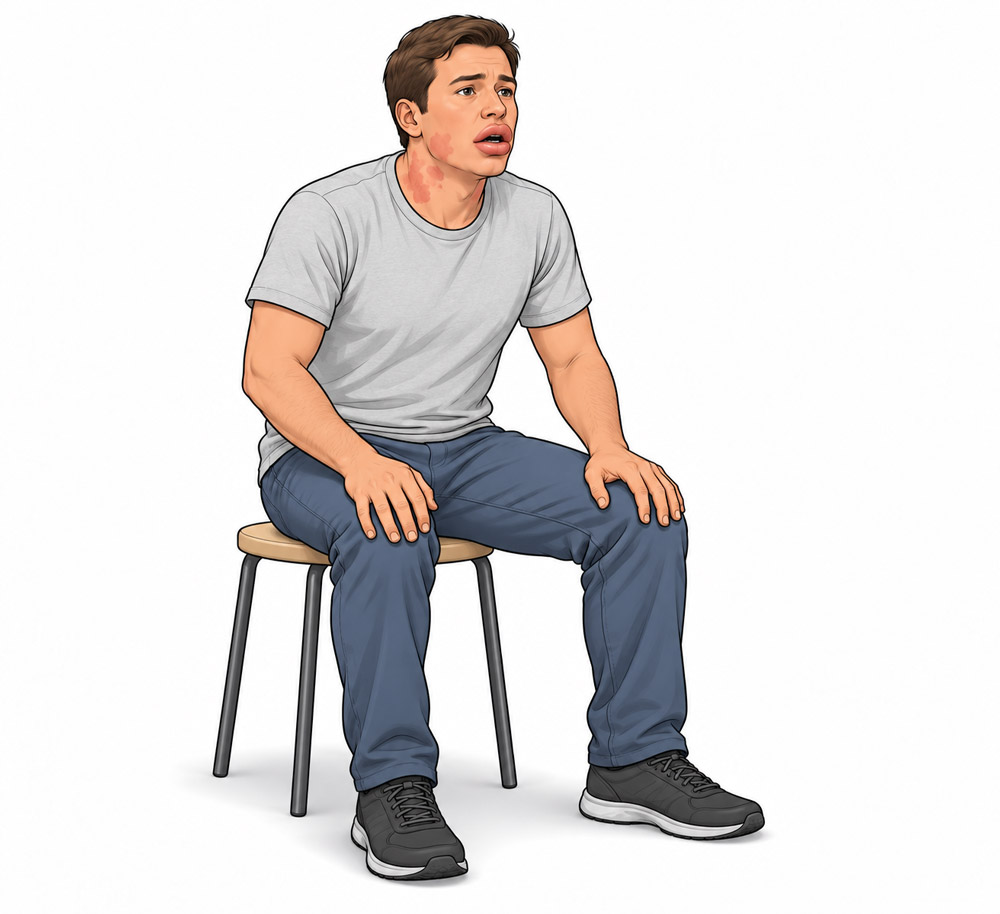
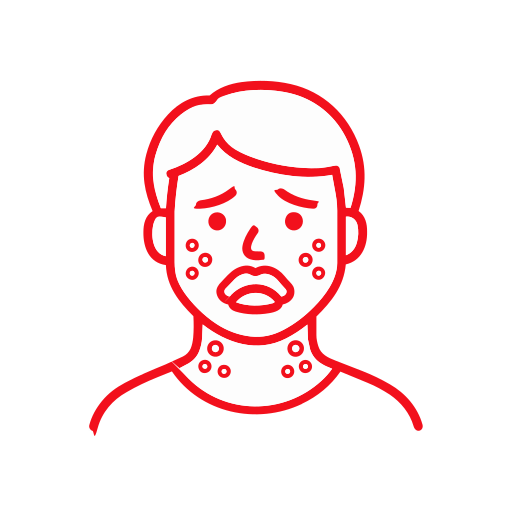
Severe allergic reaction
Anaphylaxis develops within minutes and can cause suffocation or cardiac arrest.
Anaphylaxis = call 112 IMMEDIATELY. A single sign is enough.
Signs
swelling of the lips, tongue, face or throat
difficult, wheezy breathing, a feeling of choking, hoarse voice
hives, itching, redness
nausea, vomiting, abdominal pain
dizziness, confusion, loss of consciousness
1 Call 112 immediately
say that you suspect anaphylaxis, and the trigger (if known)
switch on the speaker
do not wait for things to get worse
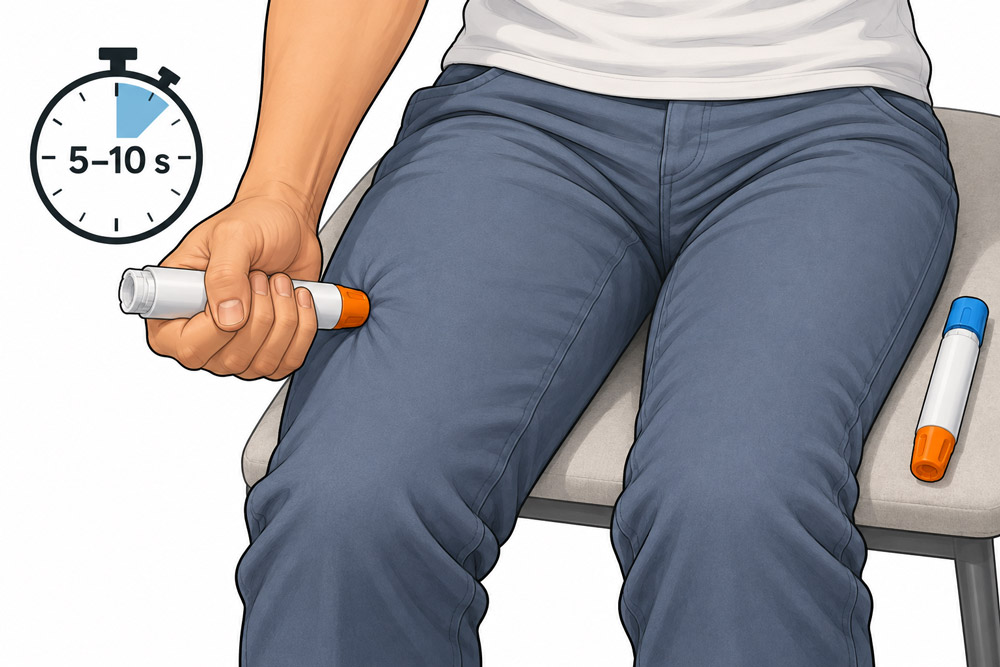
2 Adrenaline auto-injector
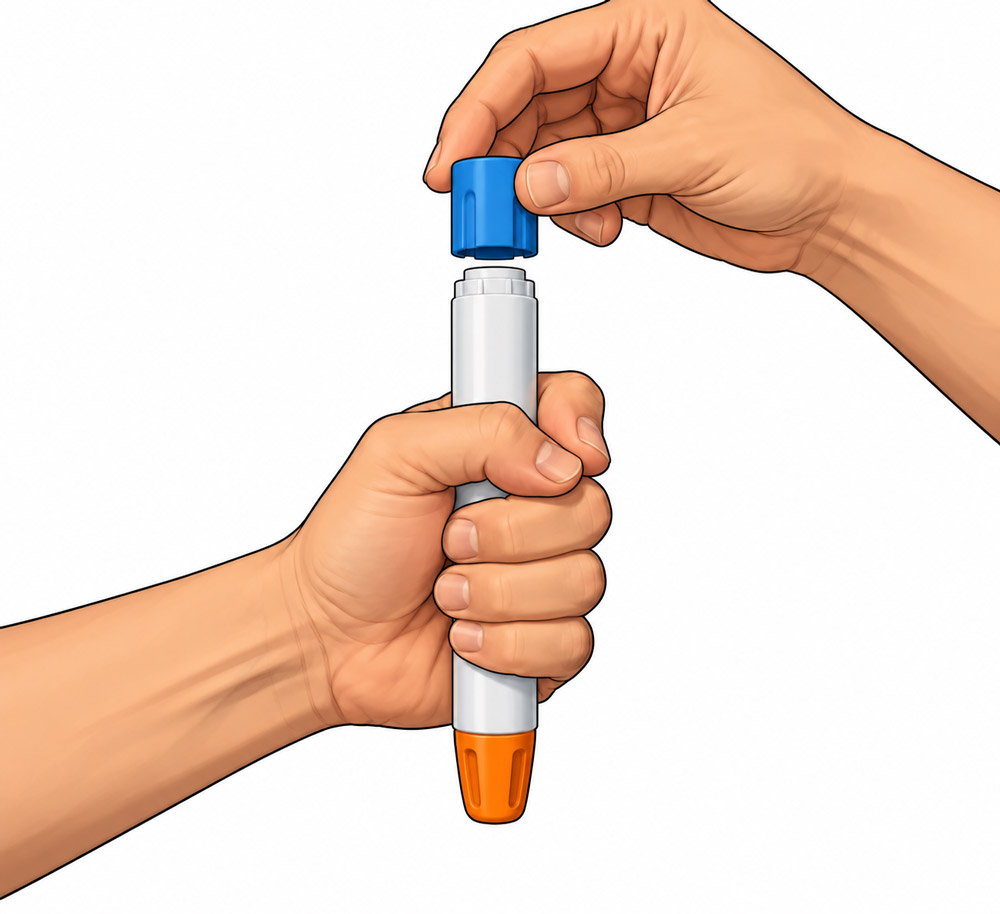
Preparing the injector
Injecting into the thigh
ask whether they have an auto-injector (EpiPen, Jext, Emerade …)
remove the safety cap
press firmly into the outer thigh – it can go through clothinghold for 5–10 seconds (according to the instructions)
no improvement after 5 minutes → second injector into the other thigh
Adrenaline is the first-choice medicine and is safe in an emergency.
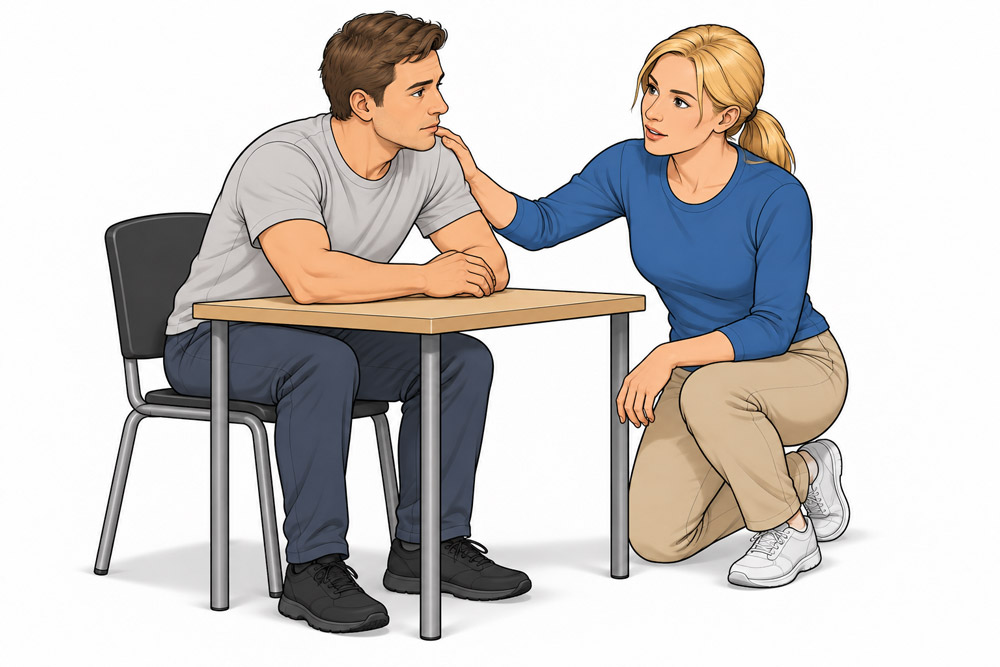
3 Correct position
Difficulty breathing – sitting
Legs raised
difficulty breathing → let them sit upright
dizzy or weak → lay them down and raise the legs
unconscious but breathing → recovery position
do not leave the person alone
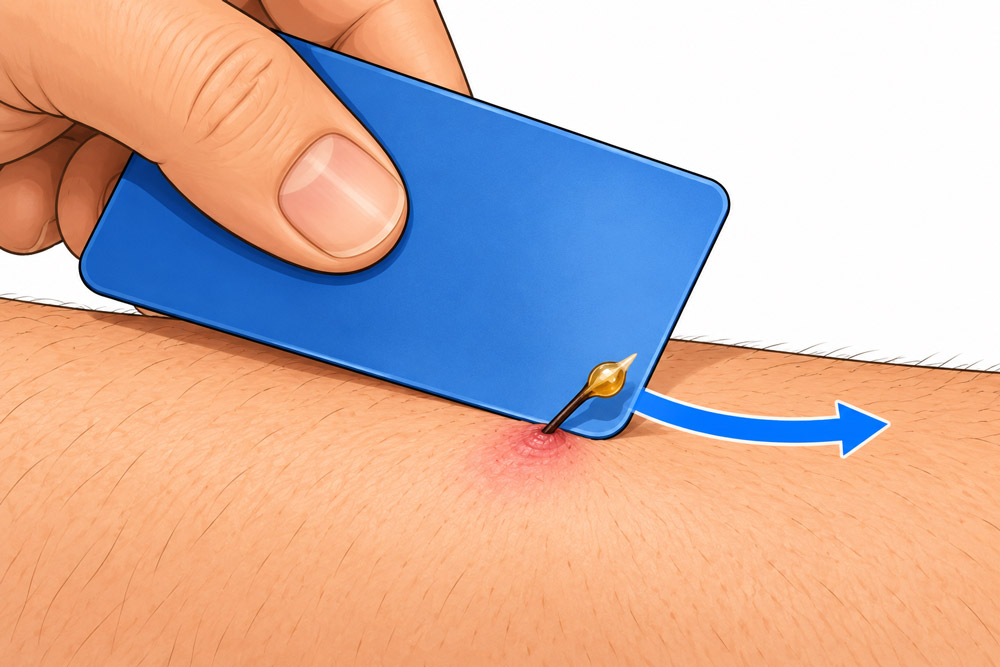
4 Remove the trigger
Removing a bee sting
remove the sting (if visible)
stop contact with the allergen
do not waste time if this is not immediately possible
5 Monitor their condition
✕ What not to do
do not give food or drink
do not give other medicines without instructions
do not leave the person alone
do not wait for it to “pass on its own”
Important
most common triggers: nuts, seafood, eggs, milk, wasp and bee stings, medicines, latex
medical observation is needed even after improvement – a second wave of reaction is possible
← All topics
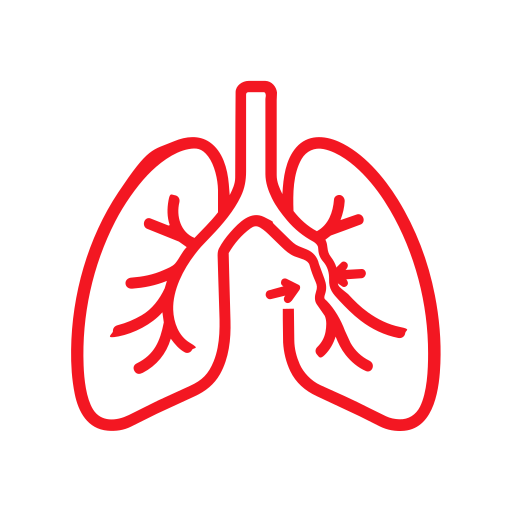
Asthma attack
The airways narrow and breathing becomes difficult.
Difficulty speaking or a worsening condition = severe attack.
Signs
difficult, rapid or wheezy breathing
chest tightness, cough
can only speak in short sentences
restlessness, fear, exhaustion
bluish lips or nails (severe condition)
1 Calm surroundings
remove triggers (smoke, dust, strong smells)
reassure the person and stay with them
2 Sitting position
Sitting position
let them sit upright and lean forward slightly
do not lay them down (unless they lose consciousness)
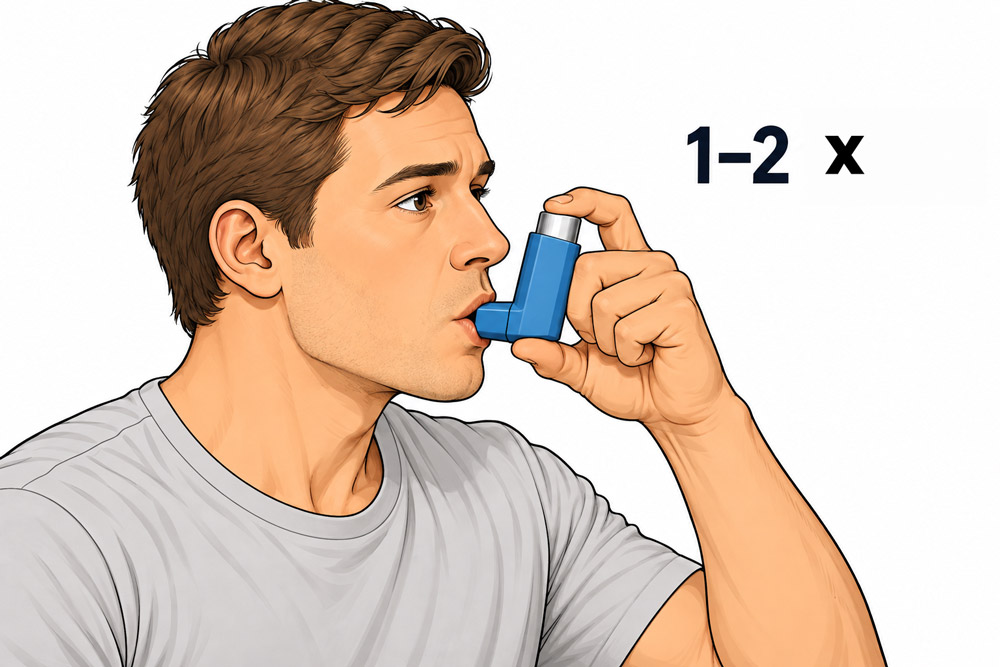
3 Inhaler
Using the inhaler
help them use their reliever inhaler (usually blue)
1–2 puffs , a deep, slow breath inhold the breath for a few seconds
repeat after a few minutes if needed
ideally with a spacer , if they have one
4 Monitor their condition
watch their breathing – is it improving?
they should use their inhaler as instructed by their doctor
5 Call 112 if …
their condition does not improve after the inhaler or worsens quickly
they can hardly speak or cannot speak at all
they become very tired or confused
they have bluish lips or nails
there is no inhaler or it is a first attack
it is a child
6 If they lose consciousness
✕ What not to do
do not leave the person alone
do not lay them down if they are conscious
do not give food or drink
do not give medicines that have not been prescribed for them
Important
most attacks improve with the inhaler
fear and panic make things worse
← All topics
Epileptic seizure
A sudden disturbance of electrical activity in the brain. Most seizures stop on their own.
A seizure looks dramatic, but is usually not life-threatening.
Signs
sudden loss of consciousness and fall
convulsions or jerking of the arms and legs
foam or saliva from the mouth, tongue biting
breathing problems
confusion and exhaustion after the seizure
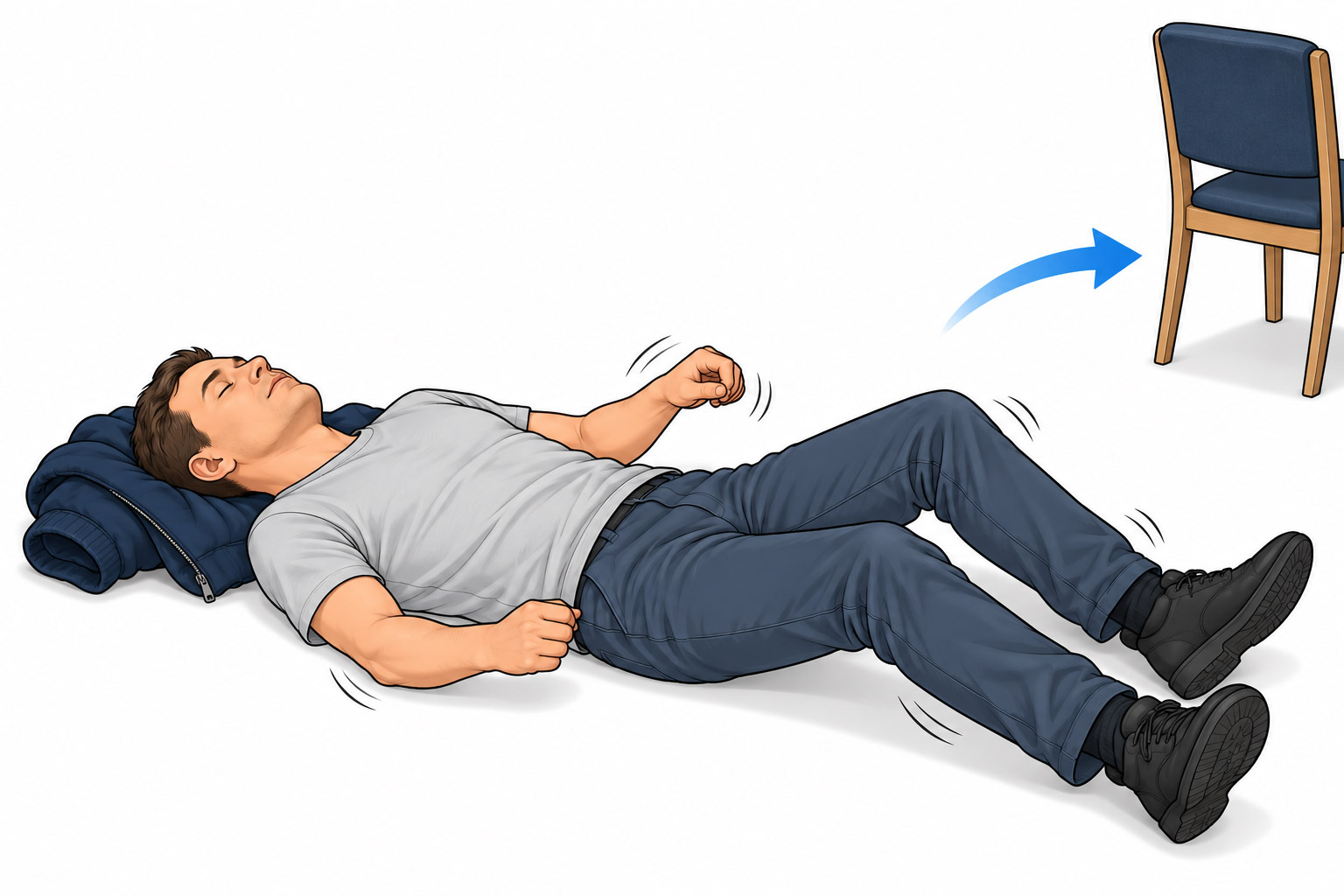
1 Make sure it is safe
Protecting the head
remove dangerous objects nearby
protect the head (jacket, bag, hands)stay calm
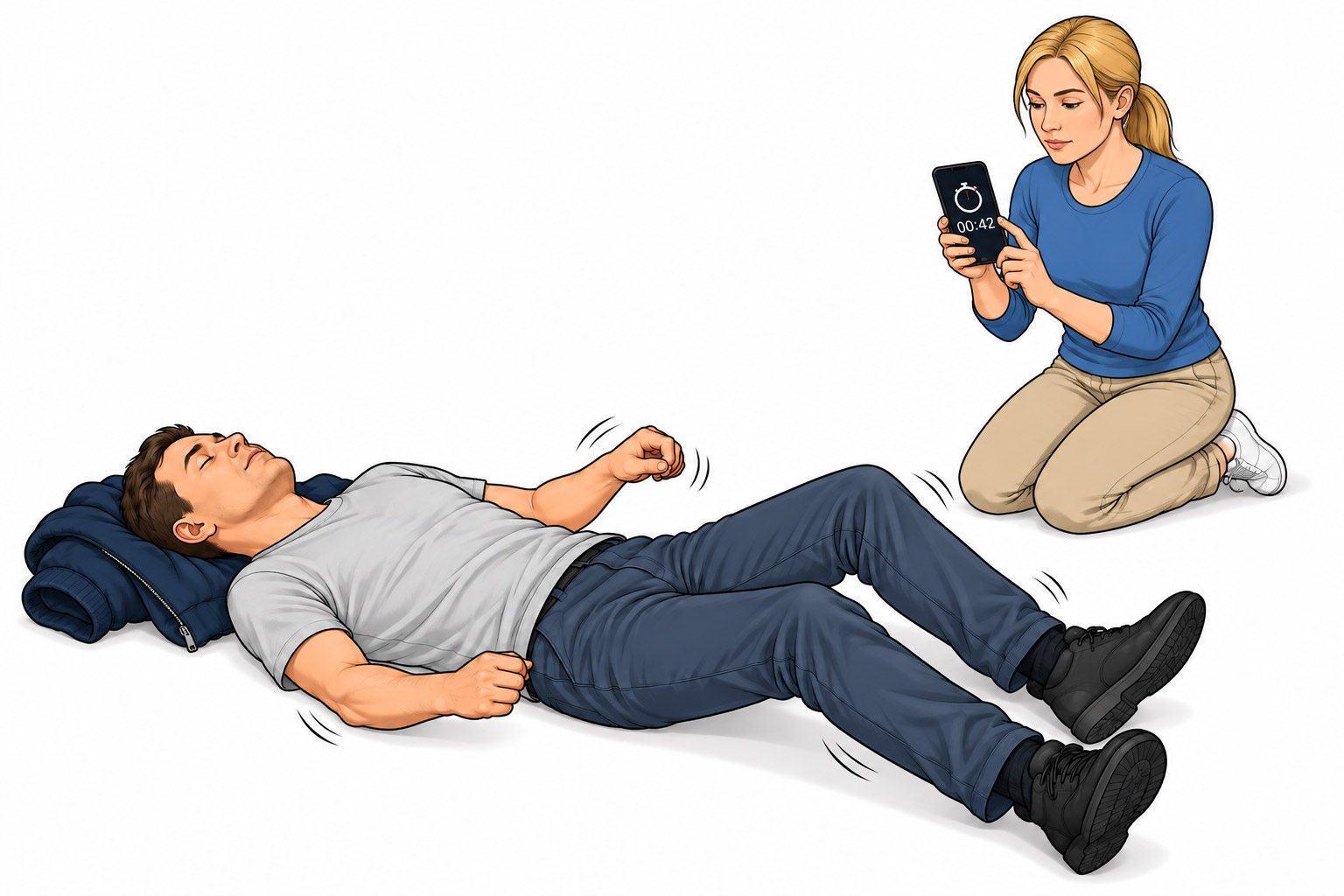
2 During the seizure
Time it
time how long the seizure lasts do not restrain the movements
do not try to wake the person
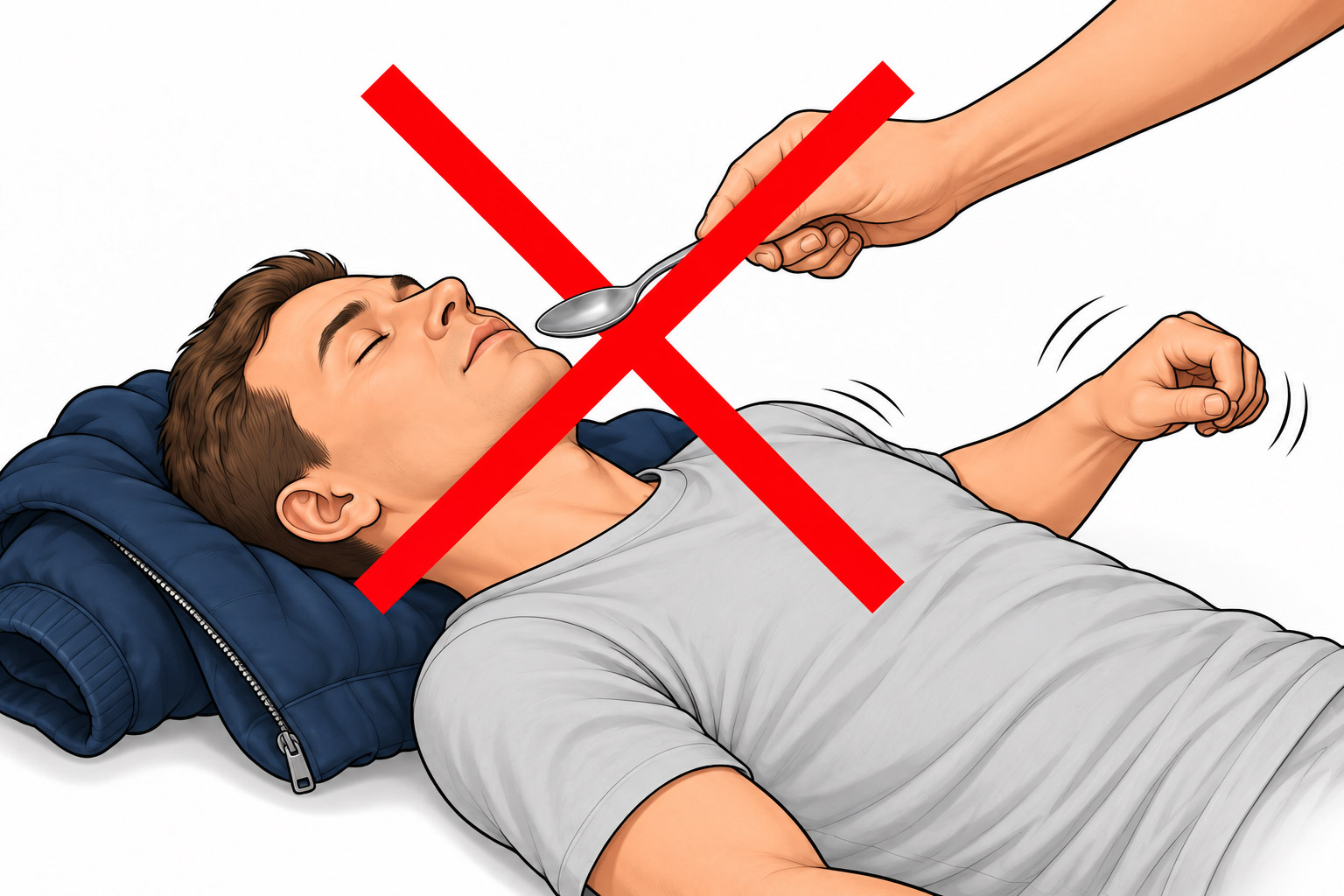
✕ During the seizure, DO NOT
Nothing in the mouth
do not open the mouth or put anything in it
do not pour water over them
do not give food, drink or medicines
3 After the seizure
Recovery position – final
when the convulsions stop, check breathing
breathing → recovery position
stay with the person, reassure them and let them rest
After a seizure the person is often confused, tired or sleepy.
4 Call 112 if …
the seizure lasts more than 5 minutes
seizures repeat without the person waking up in between
the person does not wake up after the seizure or has difficulty breathing
they are seriously injured
it is a first seizure, a child or a pregnant woman
you suspect poisoning or a head injury
5 Not breathing?
Important
after a seizure the person is often frightened – be calm and respectful
← All topics
Head injury
It can be dangerous even if it looks minor. The condition may worsen later.
Loss of consciousness – even brief – is always a serious sign.
Signs
a blow to the head (fall, accident, sport)
wound, swelling or bleeding from the head, nose or ears
headache, nausea, vomiting
dizziness, confusion, drowsiness
problems with speech or vision
1 Make sure it is safe
check the surroundings (traffic, height, dangerous objects)
do not move the casualty unnecessarily
2 Check consciousness
speak to them: “Are you all right?” and gently shake them by the shoulders
no response → call 112 , then check breathing, CPR if needed
3 Conscious
Keep the head still
let them sit or lie still
head in a neutral position
reassure them and do not leave them alone
4 Bleeding from the head
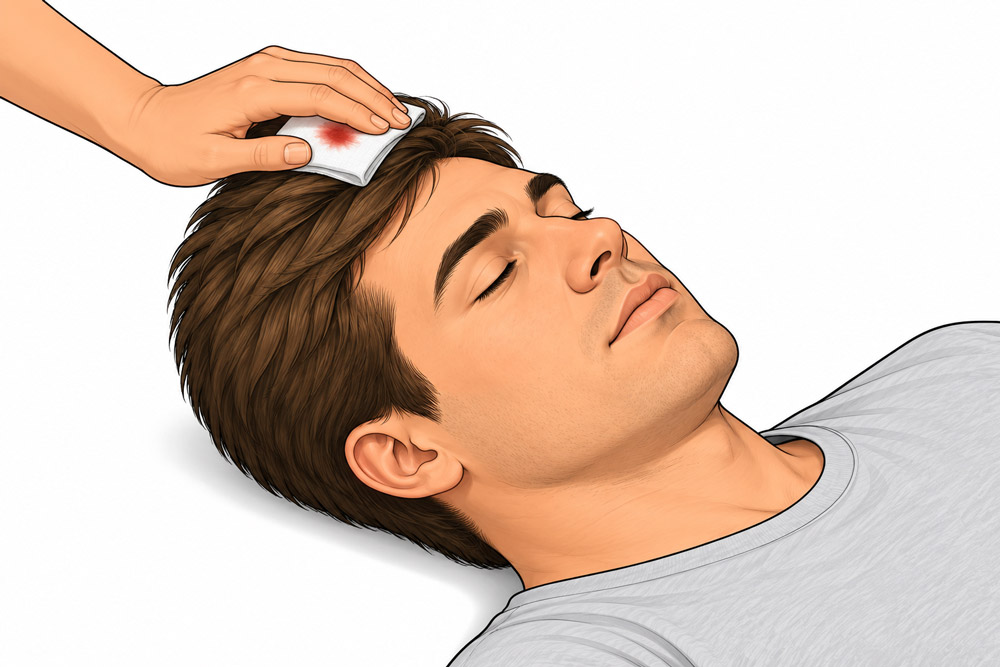
Gentle pressure
press gently with a clean cloth or bandage
do not press hard if you suspect a skull fracturedo not remove an object from the wound – press around it
5 Suspected concussion
headache, nausea, confusion, memory problems, drowsiness, sensitivity to light or noise
stop immediately any sport or exertionthe person must see a doctor
6 Call 112 if …
they have lost consciousness or their condition is getting worse
they are vomiting or having seizures
they are bleeding from the ears or nose
they are very drowsy or confused
it is a child or an older person
road accident or fall from a height
✕ What not to do
do not move the casualty unless necessary do not give food, drink or alcohol do not remove objects from the wound do not leave them alone
Important
observe the casualty for at least 24 hours
seek medical help at the slightest sign of deterioration
← All topics
Burns
Caused by heat, fire, steam, electricity, chemicals or the sun.
Cooling with water is the most important measure.
Severe burn
blisters or open wounds
white, black or charred skin
very severe pain or no pain at all
large area
face, neck, hands, feet, genitals
child or older person
1 Make sure it is safe
remove the source of heat
move the casualty to safety
with an electrical burn, switch off the power first
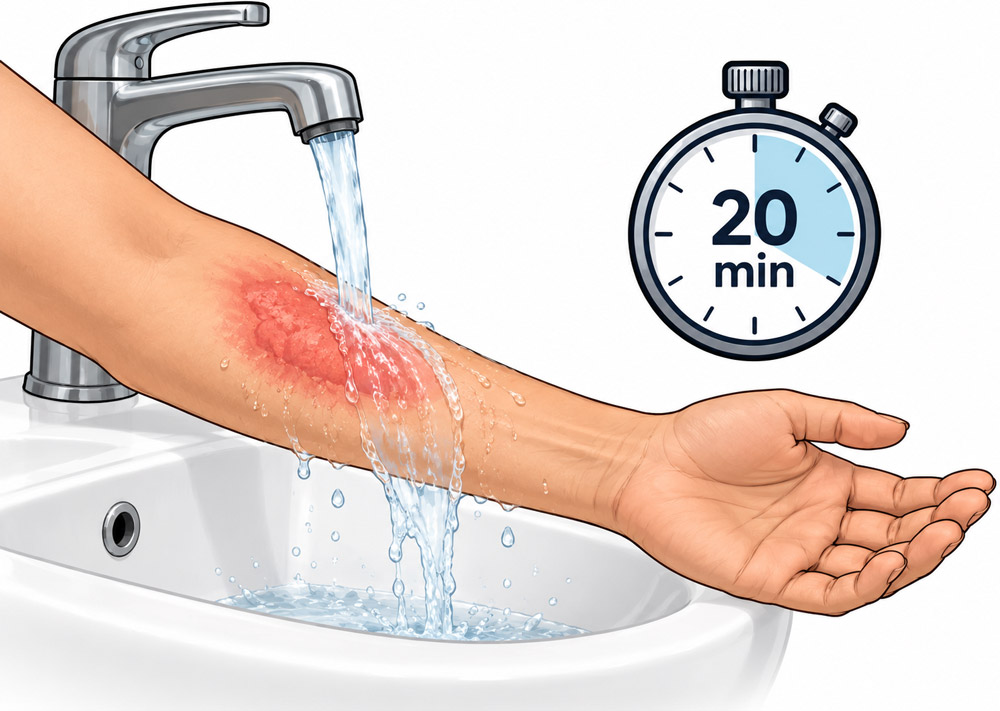
2 Cool for 20 minutes
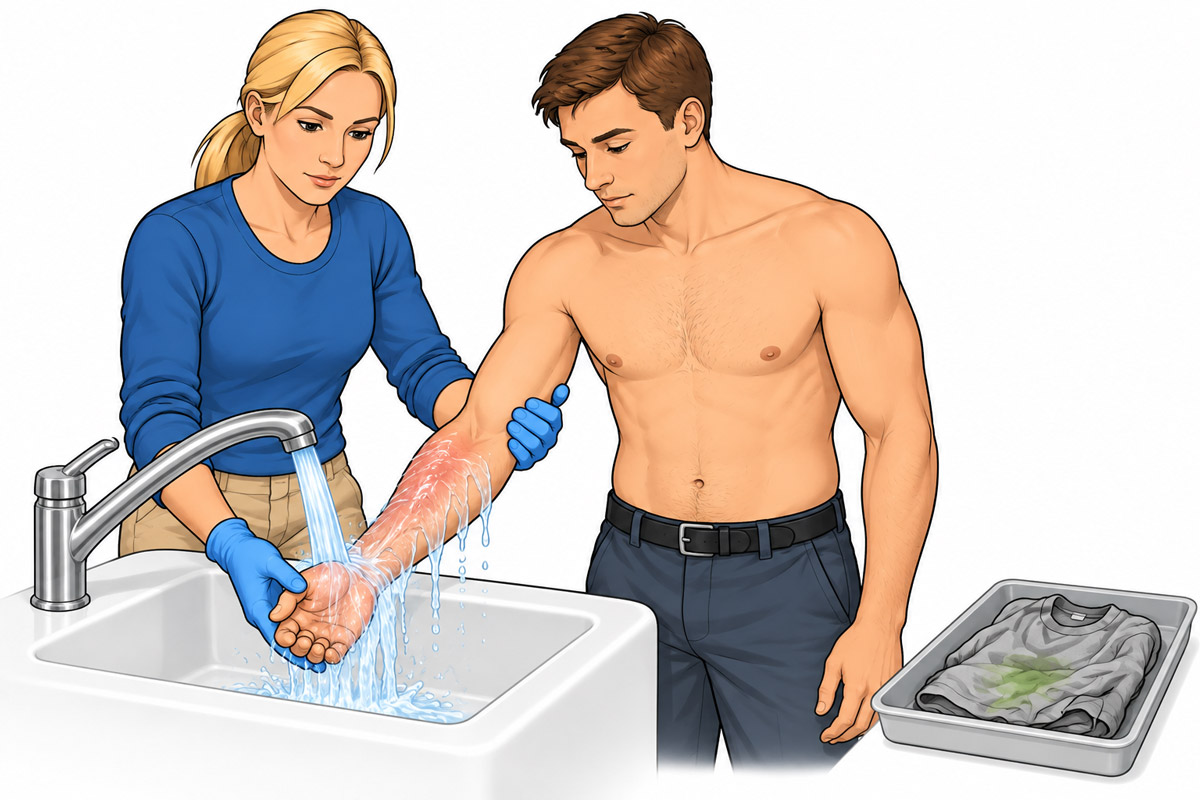
Cooling under running water
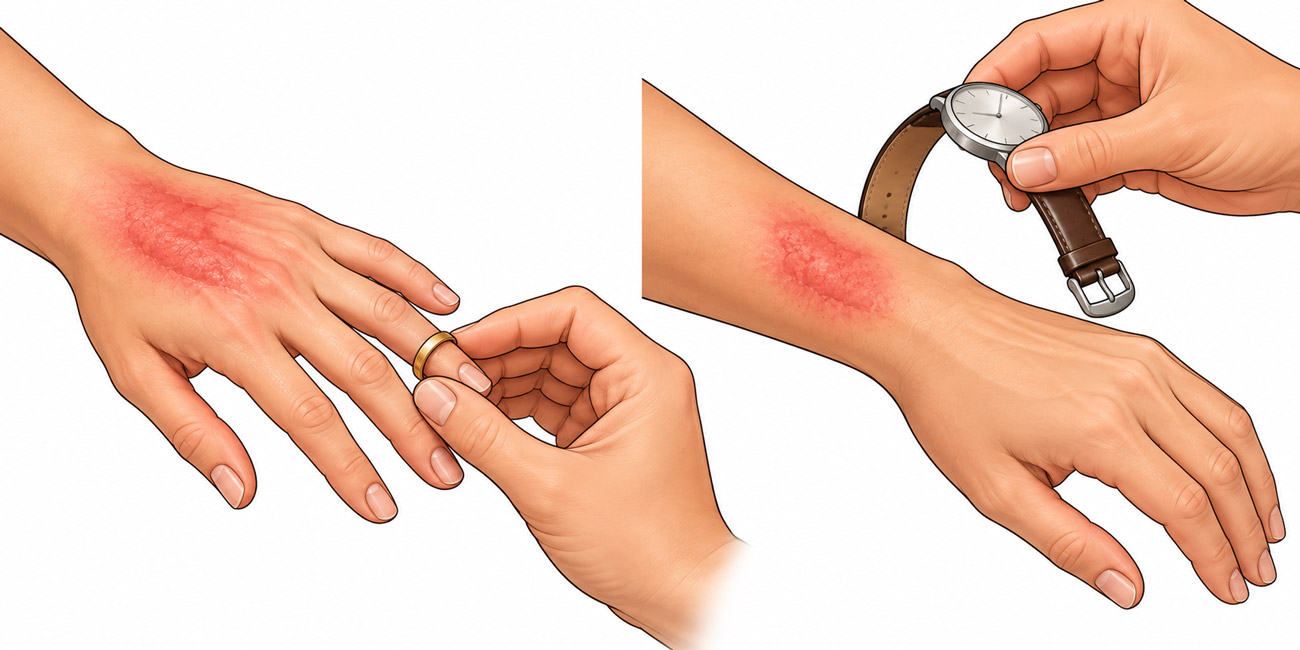
Remove jewellery
cool with cold running water
for at least 20 minutes start as soon as possible (worthwhile up to 3 hours after the injury)
remove jewellery and tight clothing (if not stuck to the skin)
Do not use ice or ice-cold water.
3 Cover
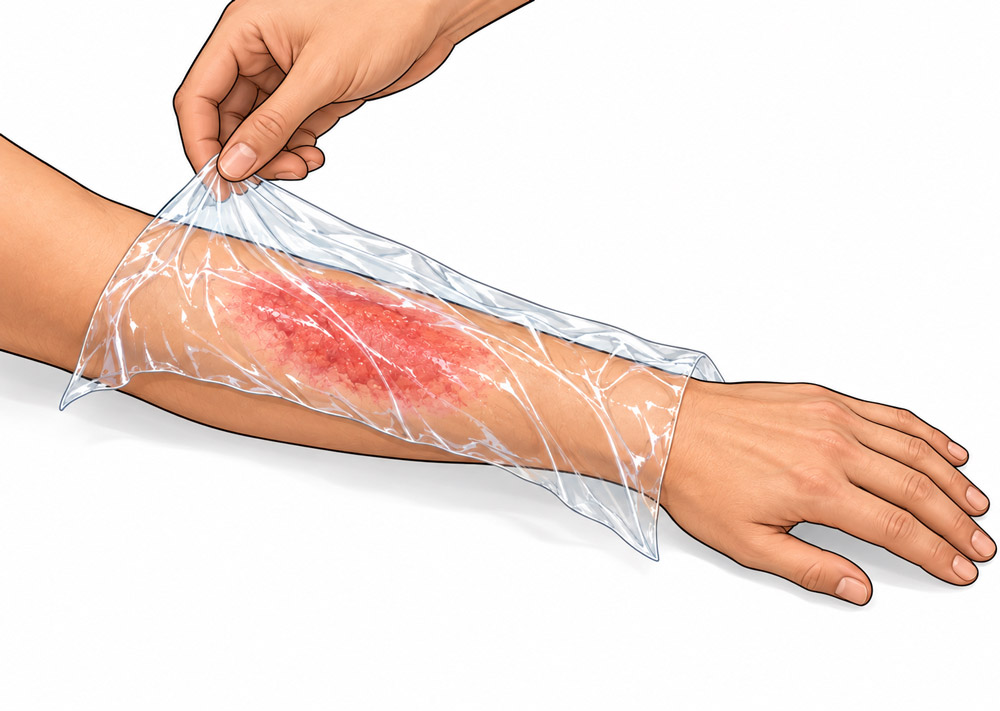
Cover with cling film
sterile gauze, a clean cloth or cling film
cover loosely, without pressure
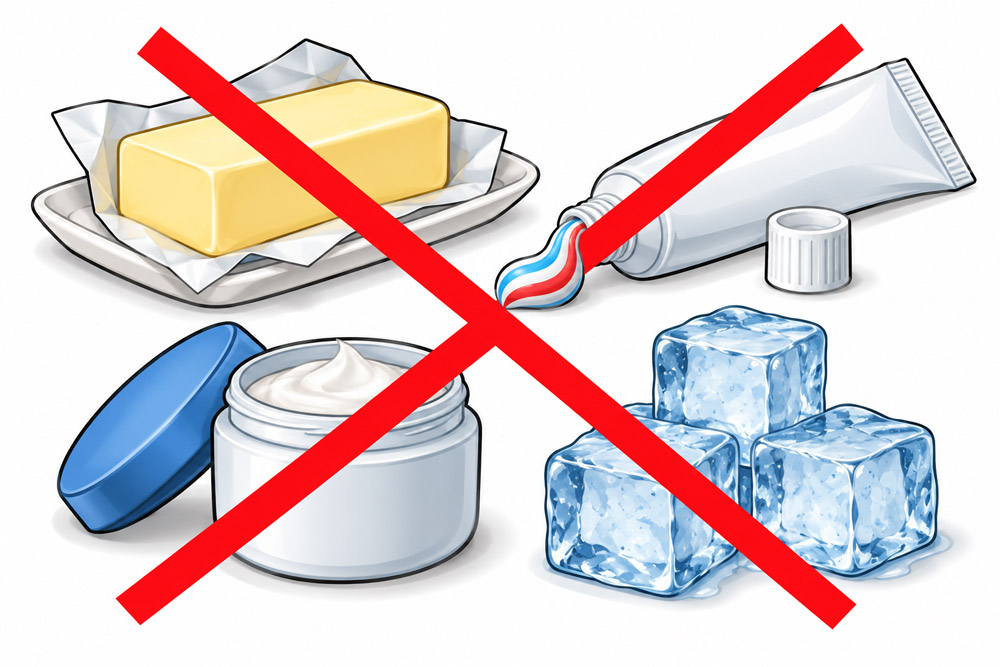
✕ What not to do
No ointments, no ice
do not burst blisters
do not remove clothing stuck to the skin
do not apply oil, butter, toothpaste, creams or ointments
do not rub the burnt area
4 Call 112 if …
the burn is deep or large
the head, face, neck or airways are burnt
it is a child or an infant
it is an electrical or chemical burn
there are signs of shock or the person is unconscious
5 Prevent shock
Covered with a blanket
lay the casualty down and reassure them
cover with a blanket (not over the burn)
do not give food or drink
Electrical burn
the damage may be worse on the inside
always call 112, monitor breathing and consciousness
Chemical burn
Rinsing off a chemical
protect yourself
immediately remove contaminated clothing
rinse with plenty of running water for at least 20 minutes
call 112
Sunburn
get out of the sun, cool the skin, drink fluids
see a doctor if the signs are more severe
Important
even a small burn can get worse
← All topics
Poisoning
A toxic substance enters the body through the mouth, airways, skin or by injection.
If in doubt – always call for help.
Signs
nausea, vomiting, abdominal pain, diarrhoea
dizziness, confusion, headache
drowsiness or unconsciousness, seizures
difficulty breathing
unusual smell on the breath, burns around the mouth or on the skin
1 Make sure it is safe
protect yourself (gloves, ventilation)
remove the casualty from the dangerous environment
do not breathe in toxic fumes
2 Check consciousness and breathing
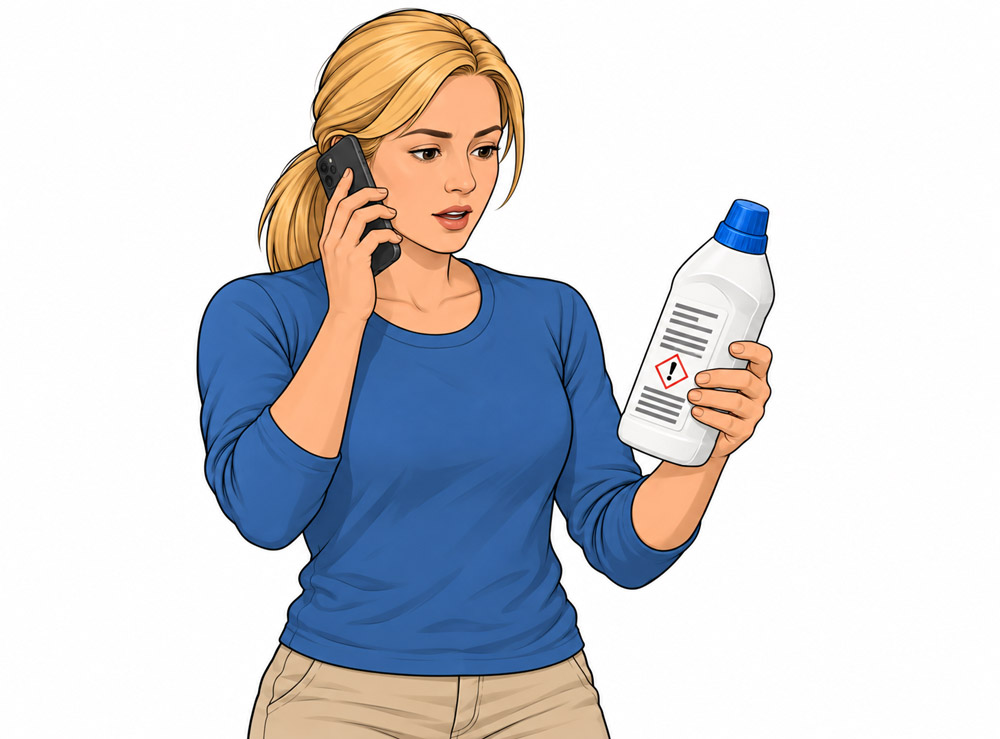
3 Call 112 or the Poison Control Centre
Packaging at hand during the call
the person’s age
what they swallowed or inhaled, when and how much
what the signs are
4 General rules
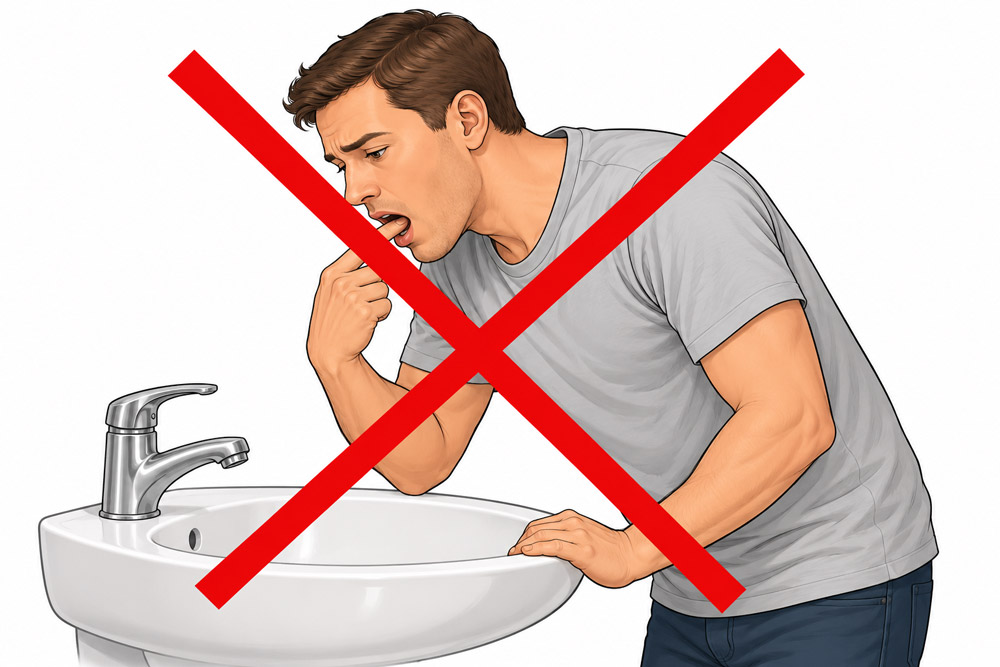
Do not induce vomiting
do not induce vomiting do not give food or drink without instructions from a health professional
do not give alcohol
do not leave the person alone
keep the packaging of the substance for the doctors
Medicines
do not give additional medicines, do not induce vomiting
monitor consciousness and breathing
Chemicals (swallowed)
do not induce vomiting
do not give milk or water without instructions
call 112 immediately
Toxic gases
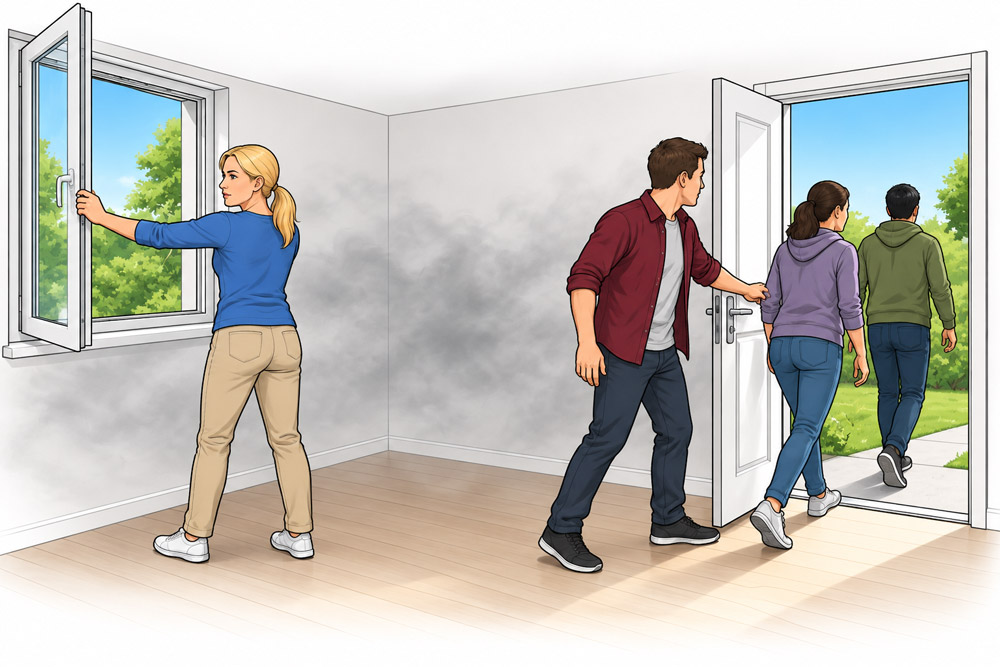
Into fresh air
get into fresh air immediately
open windows and doors if it is safe
do not enter an enclosed space without protection
Through the skin
Rinsing off a chemical
remove contaminated clothing
rinse with plenty of running water for at least 20 minutes
Opioids (heroin, strong painkillers)
the person does not respond, breathes very slowly or not at all → 112 and CPR
have naloxone (nasal spray)? Use it according to the instructions
Mushrooms or food
do not induce vomiting
keep leftover food or mushrooms
5 Prevent shock
Covered with a blanket
lay them down, cover with a blanket, reassure
Important
their condition may worsen later
never guess – call professional help instead
← All topics
Diabetic emergency
Blood sugar too low or too high. Both conditions can be dangerous.
Not sure? As long as the person is conscious, treat it as low blood sugar.
Low blood sugar (hypoglycaemia) – more common and more urgent
shaking, sweating, pallor
hunger, irritability, confusion
headache, rapid pulse, vision problems
in severe cases seizures, unconsciousness
1 Conscious: give sugar
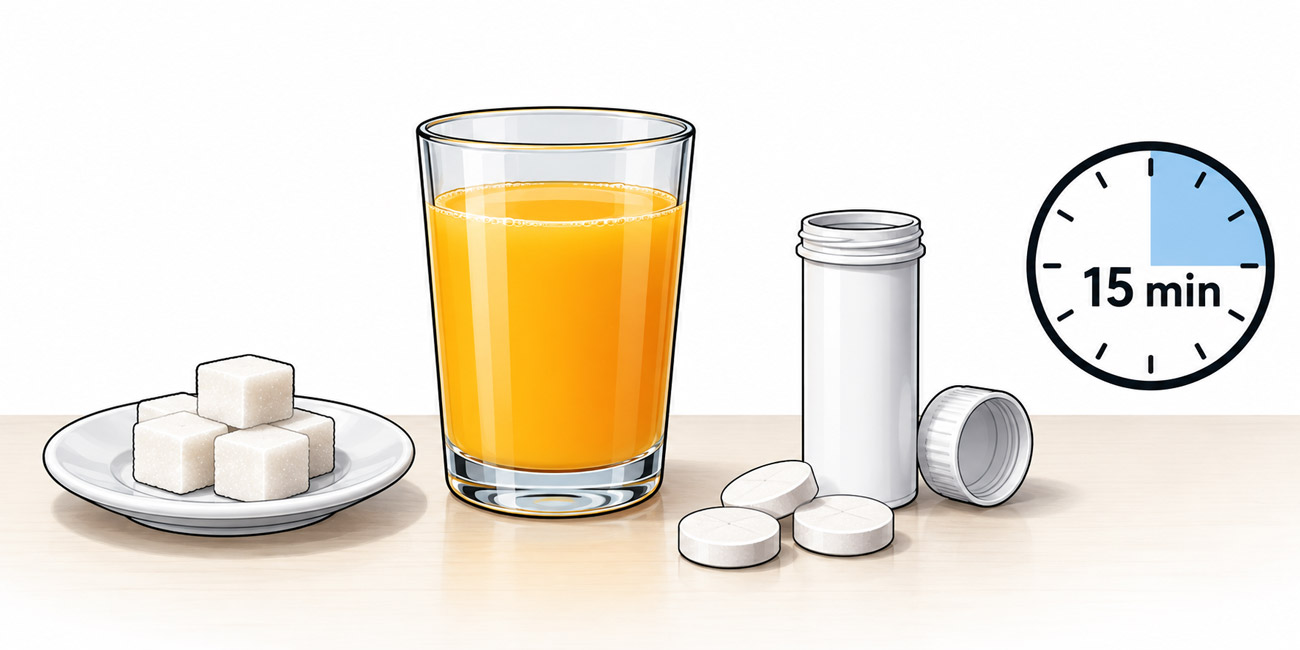
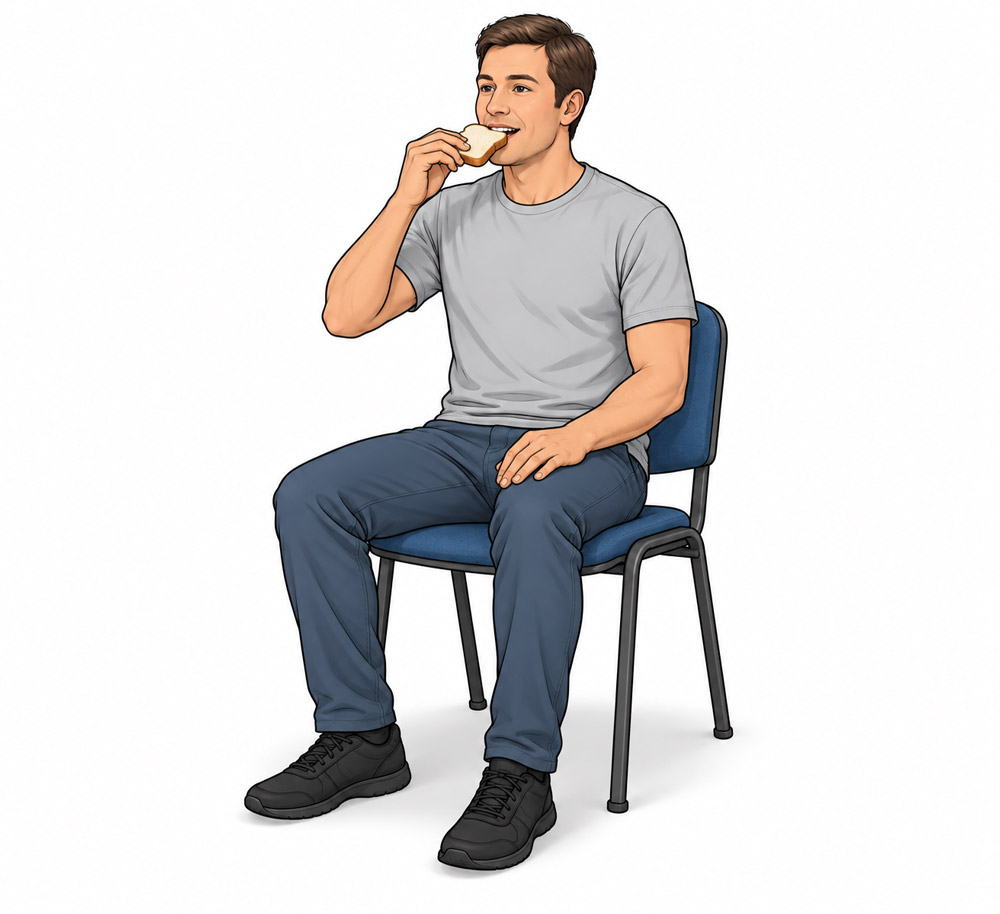
Fast-acting sugar
Then food
sugar cubes, a sugary drink (juice, sweetened tea), glucose tablets or gel
about 15–20 g of fast-acting sugar
wait 15 minutes ; no improvement → repeat
child does not cooperate → half a teaspoon of sugar under the tongue
once they improve, they should eat something longer-acting (bread, a biscuit)
2 Confused but can still swallow
give sugar slowly
make sure they do not choke
3 Unconscious
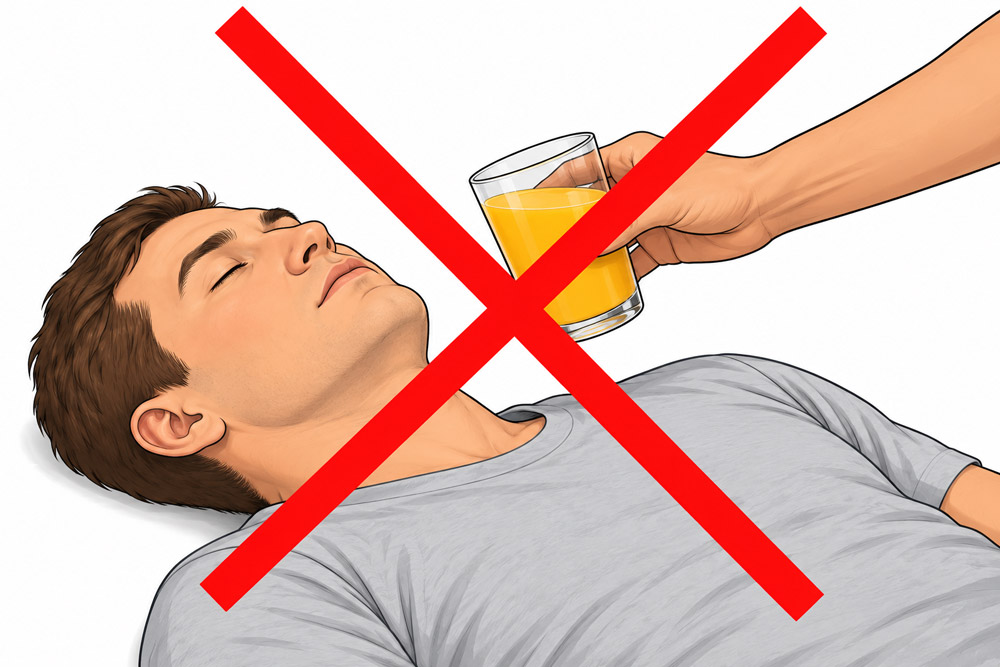
Unconscious – nothing in the mouth
DO NOT give food or drink check breathing
breathing → recovery position
not breathing → CPR
call 112 immediately
High blood sugar (hyperglycaemia)
signs: severe thirst, frequent urination, dry skin, tiredness, nausea, acetone smell on the breath, deep breathing, confusion
the person should rest; do not give sugar
do not give food or drink without instructions
monitor consciousness and breathing; condition worsens → 112
4 Call 112 if …
they lose consciousness or have seizures
their condition does not improve
you do not know what to do, or cannot reliably recognise the emergency
it is a child
✕ What not to do
do not give food or drink to an unconscious person
do not give insulin (unless it is their own medicine)
do not leave the person alone
do not wait too long
Important
low blood sugar can also occur without diabetes: after prolonged fasting, with serious illness or under the influence of alcohol
← All topics
Drowning
Drowning is often silent. Make sure you are safe first.
Do not jump into the water without a flotation aid – you could drown too.
1 Call and help from the shore
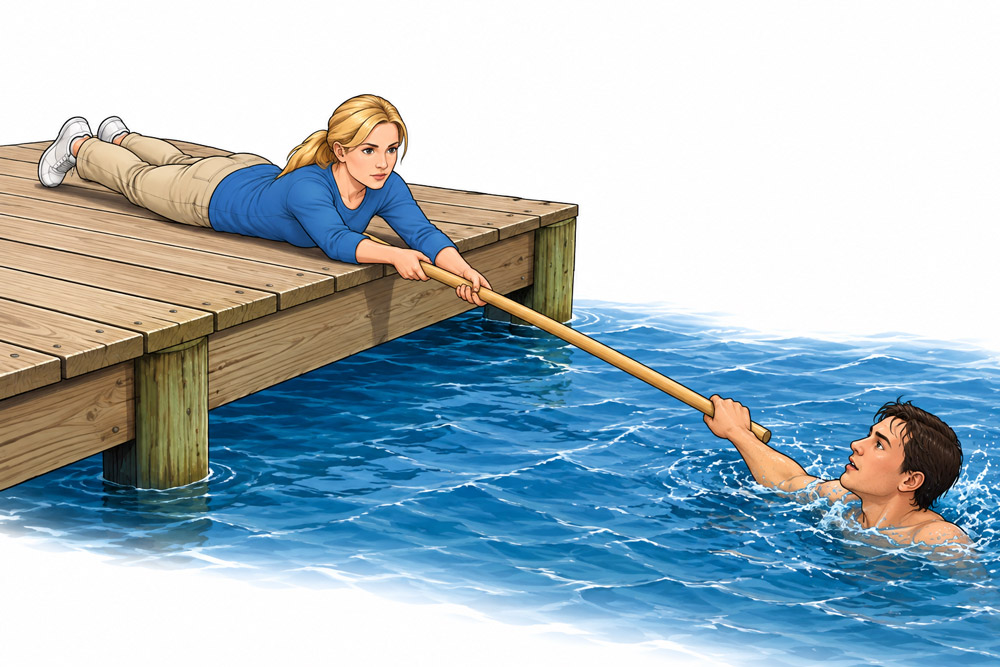
Help from the shore
call 112 (or a lifeguard)
hold out a stick or rope, or throw a floating object (ring, ball, bottle)
only go into the water if you are trained, and with a flotation aid
2 Out of the water to safety
get the person out of the water as quickly as possible
if you suspect a neck injury (diving into shallow water), move them carefully, but do not delay CPR
3 Check responsiveness and breathing
not responding → call 112 (if you have not already)
open the airway and check breathing
4 Not breathing normally
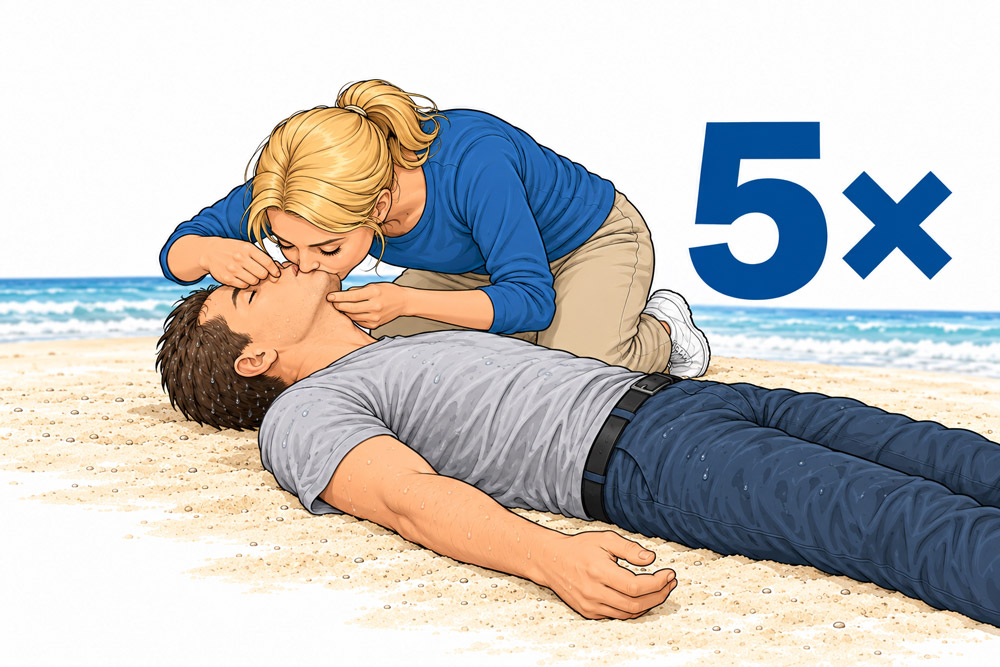
5 initial rescue breaths
first 5 rescue breaths then 30 compressions : 2 breaths (child, if you are trained: 15 : 2)
AED when available – dry the chest first
In drowning, lack of oxygen is the main cause of the arrest, so rescue breaths are very important.
▶ START COMPRESSION RHYTHM
5 Breathing
Recovery position and warmth
Important
every drowning casualty must see a doctor, even if they seem fine – breathing problems can appear later
vomiting is common: turn them on their side and clear the mouth
← All topics
A fire can spread within minutes. Save people first.
1 Act immediately
Warn everyone
smoke, fire or a smell of burning → act immediately
warn everyone: shout “FIRE!”
if possible, switch off the electricity and gas
do not look for the cause – save people
2 Leave the building
Use the stairs, not the lift
by the shortest safe route
do not use the lift close doors behind you
Can’t get out? Go to a room with a window, close the door and call for help.
Lots of smoke
Stay low under the smoke
move low, close to the floor
cover your mouth and nose with a wet cloth
3 Call 112
once you are safe
say: fire, address and type of building
are people or animals trapped? Is anyone injured?
stay on the line until the end of the call
4 Fight the fire only if it is safe
Fire extinguisher
only a small fire that has just started
fire extinguisher; water only if there is no electricity or gas
always keep an escape route behind you
Smoke is spreading or the fire is growing → GET OUT IMMEDIATELY.
Barn, farm building
if possible, open the exits for the animals
do not go back into a burning building for property
tell the firefighters about hazardous substances
5 After the fire
do not go back without the firefighters’ permission
do not breathe in smoke or soot
give first aid to the injured
Remember
save people first, then property
← All topics
Wind and drought make it spread very quickly.
Smoke can be deadly – even without visible flames.
1 Assess the danger
stay calm, judge the wind direction
do not go near the fire or smoke
larger fire → leave immediately
2 Call 112 – even for a small fire
exact location (place, path, landmarks)
size and direction of spread
are there people, buildings or animals nearby?
do not end the call until the dispatcher tells you to
3 Move to safety
Move away against the wind
against the wind direction avoid valleys, gullies and forest paths
find an open space without vegetation (road, rocks)
do not run uphill if the fire is approaching
4 If you are trapped
Stay low, wet cloth
cover your mouth and nose with a wet cloth
stay low, close to the ground
find an area without flammable material
save your energy for breathing and calling for help
Do not cross the fire line unless rescuers tell you to.
5 Fight only a fire that has just started
only a very small fire (smouldering grass)
water, soil or a branch
fire spreads or the wind is blowing → stop immediately
Never risk your life to put out a fire.
Prevention
do not light fires outdoors during a drought
do not throw away cigarette butts or matches
do not park your vehicle on dry grass
respect bans and warnings
← All topics
Acting calmly and correctly can save a life – including yours.
1 Protect yourself and the scene
Vest on before getting out
Warning triangle
stop and switch on the hazard lights
put on a high-visibility vest before getting out
set up the warning triangle: motorway at least 100 m, outside built-up areas 50–100 m
if there is fire, smoke or heavy traffic, move to safety
2 Check those involved
who is injured? Most seriously injured first
unconscious → check breathing
Do not move the casualty unless they are in immediate danger (fire, explosion).
3 Call 112
what happened, how many are injured, where you are
stay on the line until the dispatcher tells you otherwise
4 Give first aid
stop severe bleeding
help them lie or sit, reassure, protect from the cold
not breathing → CPR
5 Accident scene
do not move damaged vehicles, do not remove traces
direct traffic only if it is safe
if no one is injured, you may photograph the vehicles and the surroundings
6 Cooperate with the emergency services
follow the instructions of the police and rescuers
stay at the scene until the procedure is complete
← All topics
They strike suddenly. Life is more important than property.
1 Stay calm and safe
do not expose yourself to additional dangers
follow official warnings (radio, phone)
Floods
Do not drive through water
move to higher ground
do not walk or drive through water
switch off the electricity and gas if it is safe
do not drink tap water without approval from the authorities
Just 30 cm of water can sweep a vehicle away.
Earthquake
Drop, cover, hold on
indoors: drop, cover, hold on
move away from windows, cupboards and heavy objects
do not use the lift
after the earthquake, leave a damaged building
outdoors: away from buildings, trees and power lines
Storm, wind, hail
shelter in a solid building, close windows and doors
not under trees or poles
stop the vehicle in a safe place
Landslide
Move sideways
leave the endangered area immediately
move away sideways, not downhill
do not go near the landslide
Wildfire
move away against the wind direction
cover your mouth with a wet cloth
call 112 immediately
2 Call 112
lives in danger, injured people, evacuation needed
say what is happening, where you are, how many people there are
3 Help others, if it is safe
children, older people and people with disabilities
follow the instructions of rescuers and civil protection
← All topics
The dangers are electricity, contaminated water and unstable structures.
The water may be live and is a health hazard.
1 Your safety first
do not enter a flooded room unless necessary
do not touch the water if it may be live
wear boots and gloves
2 Switch off electricity, gas, water
Main switch
Do not step into the water
main electricity switch, gas and water supply
only if it is safe – otherwise wait for professionals
Never step into water to switch off the electricity.
3 Call 112 if …
lives are in danger or evacuation is needed
it is an industrial or large building
chemicals, fuels or gases are present
give the location, type of building, water level, hazardous substances
4 Do not go back too soon
wait for permission from the authorities
check structural safety, ventilate
have appliances checked by a professional before use
5 Pumping and cleaning
remove the water gradually
clean out the mud, disinfect the rooms
throw away food and items that have been in contact with the water
quick drying prevents mould
Industrial building
inform the people in charge, evacuate employees
do not enter areas with chemicals or machinery
document the damage if it is safe
← All topics
A power outage is usually temporary. Safety comes before comfort.
1 Assess the situation
stay calm, use a torch or your phone
is the outage only in your home or wider?
check the fuses and the main switch (only if it is safe)
2 Protect your appliances
Unplug appliances
unplug sensitive appliances (TV, computer, machines)
leave one light switched on so you know when the power returns
when the power returns, do not switch on all appliances at once
3 Safety at home
Candles under supervision
do not leave candles unattended
do not use gas appliances to heat a room
take care on stairs and in dark rooms
explain the situation to children
4 Food and the fridge
do not open the fridge and freezer unnecessarily
a closed fridge keeps food safe for several hours
check food after a long outage
Workplaces
shut down work processes safely
secure machinery and hazardous substances
do not start equipment without instructions from those in charge
5 Call 112 if …
lives are at risk (patients, medical devices)
the outage is the result of an accident (fire, flood, explosion)
you notice sparks, smoke or damaged power lines
Never touch fallen power lines.
← All topics
You or someone else is lost. Staying calm improves the chances of rescue.
1 Stop and stay calm
stop immediately, do not walk aimlessly
calm your breathing and think
remember your last known location
2 Stay where you are (if it is safe)
Stay where you are and be visible
rescuers will find you more easily
find shelter from cold, heat and wind
make yourself visible (bright clothing, backpack)
save your energy and your phone battery
3 Call 112
Location on your phone
turn on location (GPS)
say where you were last, what the surroundings are like and how you are
follow the instructions; do not switch off your phone
Someone else is lost
gather details: name, age, clothing, last known location
do not leave the area of last contact
notify 112 immediately – do not delay for children, older people and the sick
In a town or at an event
stay at the agreed meeting point
contact security or staff
teach children: stay where you are, look for a person in uniform
In nature
do not head downhill without knowing where you are
avoid gullies and difficult terrain
it is getting dark → prepare a shelter
draw attention to yourself: whistle, torch, shouting
← All topics
An extremely dangerous and unpredictable situation. Your safety comes first.
1 RUN – if it is safe
Run
leave the area immediately by a safe route
leave your belongings behind, keep your hands visible
do not run towards the sound of gunfire
once you are safe, do not go back
2 HIDE – if you cannot escape
Hide
lock and barricade the door
switch off the lights, silence your phone
move away from windows and doors, stay quiet
choose a room with solid walls
3 FIGHT – only as a last resort
only when in immediate danger and with no other option
act decisively, in a coordinated way as a group, with improvised objects
escape as soon as possible
4 Call 112 when it is safe
location, what is happening, description of the attacker, whether anyone is injured
follow the dispatcher’s instructions
5 When the police arrive
Hands visible
drop everything, keep your hands visible
follow instructions, do not shout and do not run towards the police
6 First aid after the incident
help the injured when it is safe
stop severe bleeding with pressure
do not move the seriously injured, stay with them
← All topics
A lightning strike is often survivable if help comes quickly.
A person struck by lightning is NOT electrically charged – it is safe to help them.
1 Find shelter
A car as shelter
an enclosed building or a car with a metal body (windows closed)
not under trees, in open fields, on hills or ridges
away from water and metal objects
2 No shelter?
Safe crouch
get as low as possible
crouch down, feet together, head down do not lie on the ground
at least 3–5 m from other people
3 Lightning has struck a person
Cardiac arrest is the most common cause of death after a lightning strike.
4 First aid
cool burns with water
cover and keep the casualty warm
do not move them unless necessary
5 During a thunderstorm
switch off electrical appliances
do not use corded phones, do not shower
stay indoors for at least 30 minutes after the last thunder
← All topics
It comes suddenly, often with strong wind and a storm.
1 Find shelter
Protect your head
a solid building (house, shop, garage)
close windows, doors and shutters
no shelter → protect your head (backpack, jacket, hands)
Not under trees, light canopies or in the open.
2 In a vehicle
stop in a safe place, away from trees and poles
stay in the vehicle
do not continue driving if visibility is poor
3 People and animals
bring children, older people and animals indoors
close barns and sheds
4 After the storm
stay in shelter until the hail stops
watch out for broken glass and fallen objects
do not touch damaged power lines
photograph the damage
5 Call 112 if …
someone is injured
the hail causes a traffic accident
there is danger from damage to buildings, electricity or gas
← All topics
Silent, fast and deadly. The first 15 minutes are decisive.
1 Before an avalanche
signs: fresh snow, strong wind, cracking of the snowpack, avalanches nearby
follow avalanche warnings
avoid steep slopes (30–45°)
2 An avalanche is triggered
move sideways out of the avalanche’s path
release skis, board and poles; drop heavy equipment
protect your face and airways
Do not run downhill – the avalanche is faster.
3 The avalanche catches you
Air pocket
try to “swim” on the surface
before you stop, make an air pocket in front of your face
once stopped, close your mouth, stay calm, save oxygen
4 You are a witness
Searching with a transceiver
note the last point where the buried person was seen
call 112 immediately
search with an avalanche transceiver, probe and shovel
5 After the rescue
check breathing and consciousness
not breathing → CPR
protect from the cold
Prevention
always carry a switched-on transceiver, a probe and a shovel
do not go into the mountains alone
follow the weather and avalanche forecast
← All topics
Sudden and very dangerous – often after heavy rain, snowmelt or an earthquake.
A landslide can happen without warning.
1 Watch for the signs
cracks in the ground
tilted trees, poles, fences
sudden flows of mud or rocks
2 Move away sideways
Move sideways
to the left or right of the landslide’s path
do not run downhill go to higher, stable ground
avoid gullies, valleys and riverbeds
3 In a building
leave the building if it is safe
cannot get out → upper floor, on the side away from the landslide
do not stay in the basement
4 Call 112
location, what is happening, whether people are trapped, whether the landslide is still active
5 After the landslide
do not go back – the landslide may happen again
do not touch damaged power lines and pipes
follow civil protection instructions
← All topics
Darkness, cold, damp and difficult access. Specialised rescue is needed.
1 Assess the situation
stay calm
check for hazards (falling rocks, water, narrow passages)
do not endanger yourself or others
2 Check the casualty
consciousness, breathing, bleeding
injuries to the head, spine, limbs
signs of hypothermia (shivering, confusion)
Do not move them unless they are in immediate danger.
3 First aid
Keeping warm
stop severe bleeding
immobilise the injured limb
keep them warm (clothing, foil blanket)
reassure them and talk to them
4 Call 112
Going to the surface for help
accident in a cave, name of the cave and entrance
depth or part of the cave, number of people, condition
is the cave flooded?
no signal → the most experienced person goes to the surface for help
5 Stay where you are
stay together
save your lights and batteries
do not explore further and do not attempt rescue from difficult sections yourself
Special dangers
water rising → go to higher sections immediately
rockfall → not under unstable walls
cold → keep warm at all times
darkness → always carry a spare light
← All topics
Most accidents happen because of poor preparation or underestimating the conditions.
1 Check the forecast
mountain weather, not just the valley
storms, wind, temperatures, snow and avalanches
poor forecast → postpone the trip
2 Plan your route
according to fitness, experience and season
length, elevation gain, difficulty
set a turnaround time and a backup plan
3 Tell others
where you are going, which route, when you will be back
do not change your route without letting people know
4 Equipment
Mountain equipment
hiking boots, layered clothing, windproof jacket
water, food, first aid kit, torch
fully charged phone and a power bank
map (do not rely on signal alone)
5 On the way
do not go alone if you are inexperienced
adjust the pace to the slowest person
rest regularly
6 In an emergency
stay calm, call 112
give your location, condition and number of people
do not continue if you are unsure of the direction
Remember
turning back is not a defeat but a smart decision – the mountains will wait
← All topics
Good preparation greatly reduces the risk of complications.
1 Before you travel
check the security situation in the country
arrange travel insurance
scan your documents
save contacts (embassy, insurer, 112)
let people close to you know your route
2 Documents and money
Documents kept separately
carry originals and copies separately
do not show off money, use cards and the safe
always keep your bags in sight
3 Personal safety
avoid dark and deserted places
use official transport
do not reveal that you are travelling alone; drink alcohol in moderation
4 Digital safety
do not use public Wi-Fi for banking
lock your phone, turn on device tracking
carry a power bank, do not share your location publicly
5 Health
basic first aid kit
know the local emergency number (112 in Europe, 911 in the USA)
see a doctor immediately if you have serious problems
6 When something goes wrong
stolen documents → police and the embassy or consulate
use your insurance and official channels
stay calm and act thoughtfully
← All topics
Veterinary help
An injury or sudden illness in an animal can be life-threatening.
1 Protect yourself
Safe approach
stay calm – animals sense stress
approach carefully, an injured animal may bite
use a lead, a blanket or a towel
2 Assess the condition
is it conscious? Breathing? Bleeding heavily? Visible injuries?
unconscious, not breathing, heavy bleeding = emergency
3 First aid
stop severe bleeding with pressure
keep the animal still, cover it
protect the wound from dirt
Do not give human medicines. Do not set fractures.
4 Call a vet
nearest veterinary clinic or emergency service
say what happened, the type of animal, its condition and the location
follow the instructions given over the phone
5 Transport
Carrying on a blanket
carrier, box or blanket as a stretcher keep the back and neck stable Special cases
poisoning → go to a vet immediately, do not induce vomiting farm animals → isolate and inform the vet wild animals → do not touch, call the relevant authority ← All topics
Instructions for the designer 98 to make
9 optional
8 already have
13 reuse
Style (based on the existing Amputation images)
hand-drawn illustration, thin black outline, softly coloured areas, light texture (gauze, plastic)
background solid green #87C89D
the same characters in all images: casualty in a white T-shirt and green trousers, rescuer in one consistent colour (e.g. blue T-shirt), child and infant in the same style
blood in moderation: only a red stain on gauze or clothing, no open wounds or graphic details
prohibited action: red X across the whole image (as in AMP-05f)
no text in the image (text is in the HTML for translation); exceptions are measurements, times and numbers (e.g. “5–6 cm”, “T 14:32”, “112”)no brands (injectors, packaging, phones are generic)
size 1200 × 900 px (4:3) , JPG, up to ~150 KB; subject centred, with a 5% margin
file name exactly as listed (e.g. szo-01-odzivnost.jpg) – the image is then inserted in the right place automatically
Notes on existing images
AMP-04a (tourniquet) is portrait and on a beige background, AMP-06 (legs) is very wide and on a white background – redraw both in 4:3 on the green background for a consistent look.AMP-06 shows a 20–40 cm label. Under the ERC 2025 guidelines, raising the legs is no longer a routine measure, so the designer should remove the centimetre label.Techniques are aligned with the ERC 2025 guidelines: infant compressions with the two-thumb encircling technique (not two fingers), bleeding without raising the limb , time written on the tourniquet .
List of images by topic
← All topics
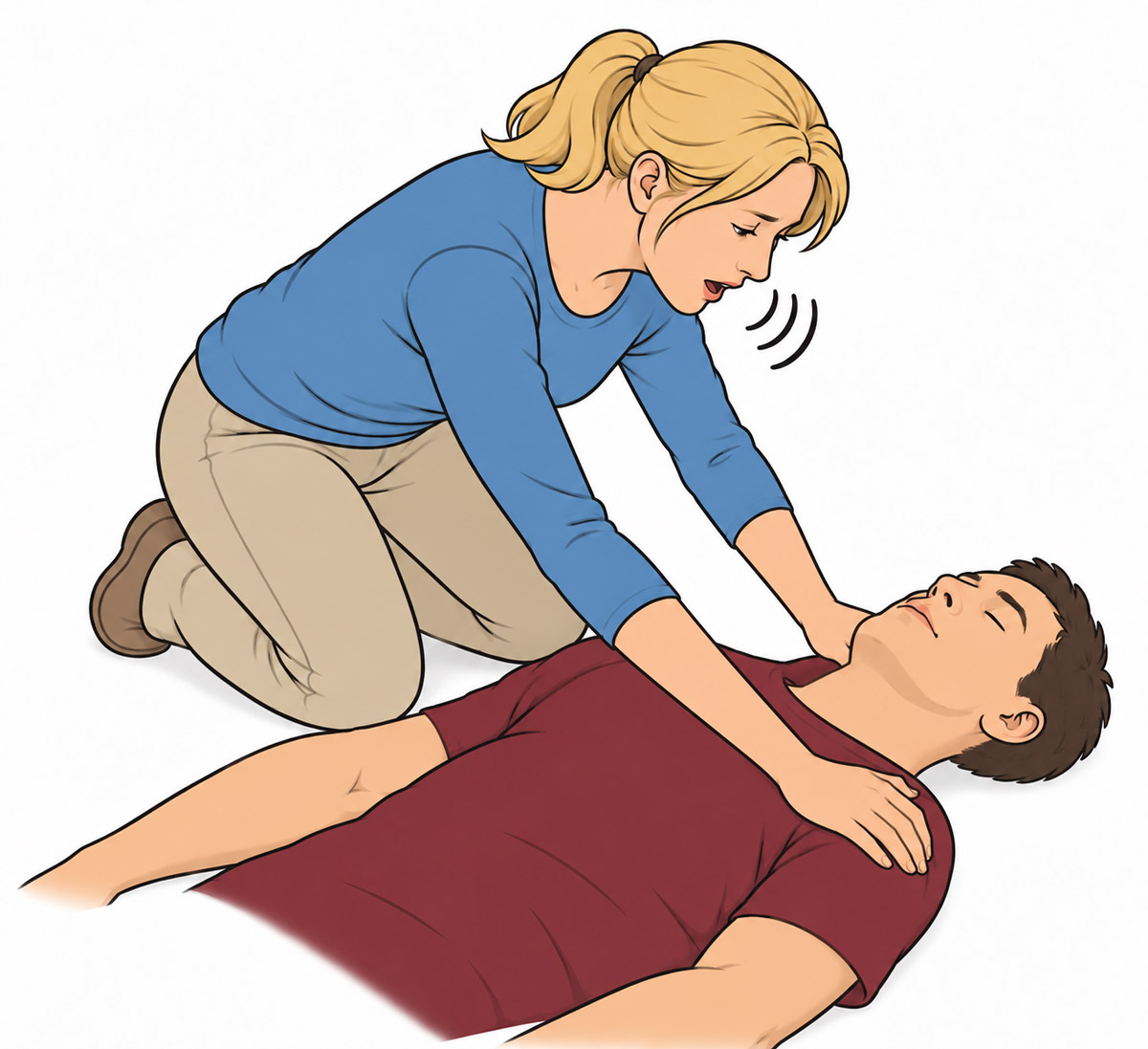
 First Aid and Safety
 Cardiac arrest
 Cardiac arrest
 Cardiac arrest
 Choking (foreign object)
 Chest pain
 Unconsciousness
 Bleeding
 Amputation
 Shock
 Severe allergic reaction
 Asthma
 Epileptic seizure
 Stroke
 Head injury
 Burns
 Fractures and dislocations
 Poisoning
 Diabetic emergency
 Drowning